
Tara Shwan
Writer
The Kurds of Syria Are Bleeding While the World Rebrands Ahmad Al-Sharaa
As Ahmad al-Sharaa is recast as a “pragmatic actor,” reports of violence against Syrian Kurdish civilians—especially women—are sidelined. Rebranding power as stability risks erasing accountability. Justice, not convenience, must guide international engagement.
By Tara Shwan,
Executive Director,
American-Kurdish Economic Institute, AKEI
The world has a habit of reinterpreting the past as alliances and priorities shift. Ahmad Al-Sharaa is one such figure. Once known for a violent past he is now increasingly described in diplomatic and media circles as a stabilizing force in Syria’s fractured political landscape. This transformation in narrative is not accidental. It is convenient. And it is coming at a devastating human cost.
That cost is being paid by Syrian Kurds, especially women, whose suffering is rendered invisible by the rush to rebrand power as pragmatism.
Across social media platforms, local networks, and independent reporting channels, deeply disturbing videos and testimonies have emerged documenting violence against Kurdish civilians, including women, by armed factions reportedly linked to Al-Sharaa’s forces or operating within his sphere of influence. These accounts describe killings, abductions, intimidation, and systemic terror. Each piece of evidence, as always, requires rigorous verification. But the volume, consistency, and geographic spread of these reports make one thing clear: this is not noise, exaggeration, or isolated misconduct. It is a pattern, and patterns demand scrutiny.
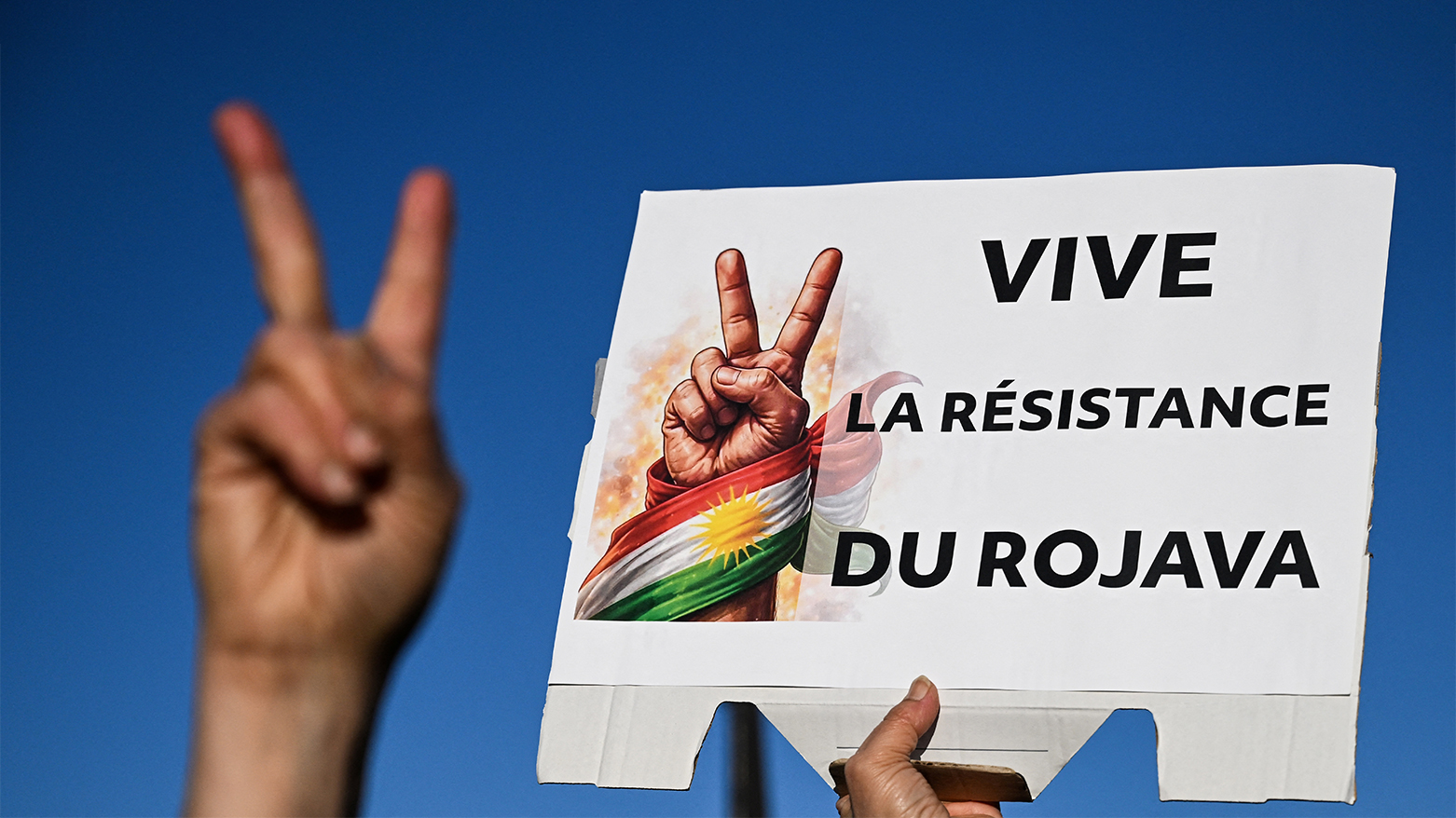
For the Kurds of Syria, this violence is not abstract or episodic. It is a condition of daily life. Kurdish communities have spent years building fragile systems of self-governance, education, and civil participation amid war and displacement. Women, in particular, have played a central role, organizing local councils, defending communities, and challenging patriarchal norms in a region where doing so carries enormous risk. That visibility has made them targets.
The targeting of Kurdish women is not incidental. It is strategic. Terrorizing women fractures families, silences communities, and sends a message that autonomy will be punished. When women are attacked for who they are and what they represent, the violence is not merely criminal; it is political.
Yet as these communities endure fear and loss, the international response has been disturbingly muted. Governments and policy analysts increasingly frame Al-Sharaa as someone the world must “engage with,” a necessary interlocutor in an otherwise chaotic Syrian theater. This is the language of lowered expectations, where accountability is quietly traded for access, and justice is deferred in the name of stability.
But rebranding is not reconciliation. A polished narrative cannot erase a record of extremism, nor can it absolve a leader of responsibility for the actions of forces aligned with him. When allegations of war crimes and gender-based violence are met not with investigation but with diplomatic hedging, it signals to victims that their suffering is negotiable.
History offers a grim warning. Time and again, the international community has sacrificed justice on the altar of short-term geopolitical gain. Each time, the result has been renewed violence, deeper resentment, and further erosion of international norms. The Kurds know this story intimately. They have been hailed as allies when useful, then abandoned when their protection complicated larger strategic calculations.
This moment is no different, except that the evidence is unfolding in real time, in public view, and with the voices of Kurdish women struggling to be heard over the machinery of political normalization.
An op-ed cannot substitute for a tribunal. But it can demand one.
If international institutions are serious about human rights, about the protection of women, and about justice for oppressed peoples, then Ahmad Al-Sharaa must not be shielded by political pragmatism. He must be investigated. Independent, international inquiries into alleged crimes against Syrian Kurdish civilians are not extreme demands; they are moral and legal imperatives.
The Kurds of Syria have buried too many daughters, mothers, and sisters. They should not also have to bury the truth.
Justice delayed is justice denied. And for the Kurds of Syria, denial has become a policy.
The views expressed in this article are those of the author and do not necessarily reflect the views of Kurdistan24.