
Tara Shwan
Writer
The Strait of Hormuz at the Center of the World: How the US–Iran War Is Reshaping Power, Oil, and Global Order
The war between the United States and Iran in 2026 is not simply another Middle Eastern conflict. It is a significant systemic disruption to the architecture of global power, one that is testing and, in some respects, exposing limits in military doctrine, affecting energy markets, and exposing the fragility of modern deterrence.
What began as a coordinated campaign targeting Iranian nuclear and military infrastructure rapidly expanded into a multi-theater confrontation. The initial strikes appear to have degraded elements of Iran’s command structure and were followed by a wave of retaliation across the region. Missile and drone attacks extended beyond immediate battle zones, affecting shipping lanes, regional allies, and global markets.
Today, the war exists in a tense and unstable pause. A ceasefire framework appears to be in place, but the conditions that produced the conflict remain unresolved. Both sides are repositioning rather than retreating. The United States continues to exert pressure through military presence and economic measures, while Iran relies on geography and asymmetric tactics to maintain strategic relevance.
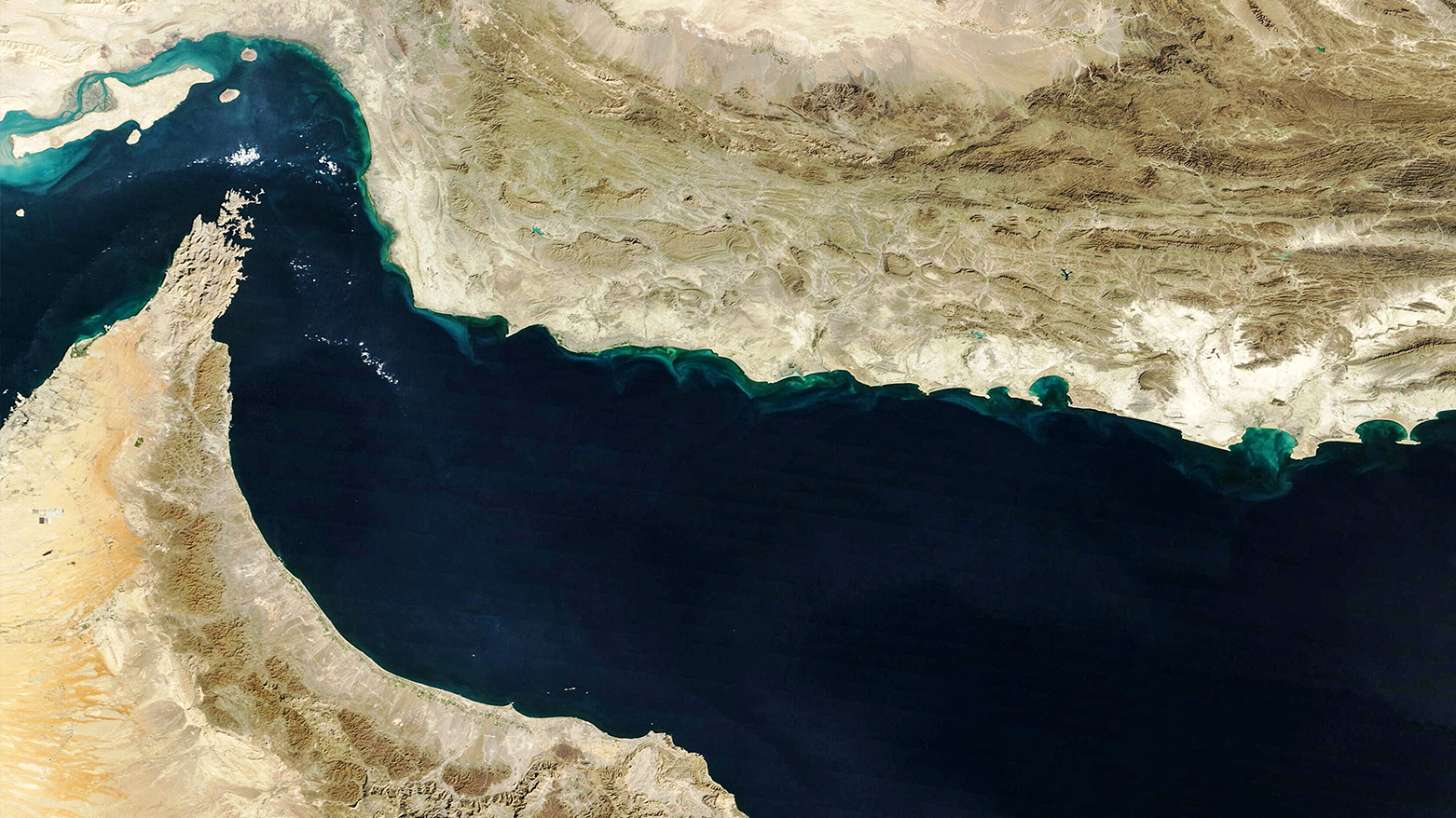
At the center of this confrontation lies the Strait of Hormuz, a narrow corridor through which roughly one fifth of the world’s oil supply flows. Its strategic importance is widely recognized. Control over this passage has increased the strategic value of geographic positioning. Even limited disruptions have had measurable global effects, sending energy prices upward and straining supply chains that underpin modern economies.
Iran’s strategy has in part focused on this leverage. By threatening shipping traffic and periodically interfering with maritime movement, it has been able to project influence beyond its conventional capabilities. The result is an extension of the conflict into economic domains that affects financial systems, industrial production, and the cost of living across continents.
The global economy is already showing signs of strain. Rising fuel prices, supply uncertainty, and disrupted trade flows are contributing to inflationary pressure and moderating growth projections. The longer instability persists, the greater the likelihood that these disruptions evolve into structural economic challenges rather than temporary fluctuations.
Militarily, the conflict has highlighted a shifting balance in how wars are fought. The United States has demonstrated overwhelming strike capability and technological superiority, yet it has not translated this into decisive strategic outcomes. Iran’s continued reliance on drones, missile systems, and indirect tactics reflects a broader evolution in warfare. Power is no longer defined solely by conventional dominance; the ability to endure, disrupt, and impose costs has become increasingly significant.
This dynamic complicates traditional assumptions about victory. Even a weakened adversary can shape outcomes, prolong conflict, and force strategic recalibration. The war suggests that superiority in firepower does not eliminate vulnerability, particularly in environments where geography and unconventional tactics favor resilience over direct confrontation.
Inside Iran, the pressures of war are reported to be placing additional strain on economic conditions, infrastructure, and political stability, according to available analyses and reporting. However, such conditions do not necessarily indicate systemic collapse. External pressure may in some cases consolidate internal cohesion, and fragmented authority may generate unpredictability rather than surrender.
For policymakers, one of the most dangerous miscalculations would be to interpret the current pause as resolution. The ceasefire has not addressed the underlying drivers of conflict. Iran’s strategic ambitions and the United States’ security objectives continue to diverge on key issues. Diplomatic pathways are narrow, and mutual distrust persists.
Markets may be reflecting this uncertainty more directly than official political messaging. Persistent volatility in energy prices and sustained military readiness indicate expectations that the conflict may enter a prolonged phase rather than approach closure. The war is continuing in a potentially extended form rather than approaching resolution.
What makes this moment particularly consequential is its global reach. The effects are not confined to a single region. Energy-dependent economies are recalibrating, supply chains are being restructured, and geopolitical alliances are under renewed strain. The conflict is influencing decisions in boardrooms, shaping national policies, and redefining risk calculations far beyond the battlefield.
This is not merely a war over territory or influence. It is a conflict that interacts with the foundational systems of globalization. Energy flows, trade networks, and security frameworks are all being tested simultaneously. The outcome will shape not only regional dynamics but the broader structure of international order.
The present calm is best understood as provisional. Beneath it lies a volatile equilibrium sustained by caution rather than agreement. The mechanisms of conflict remain intact, and the incentives for escalation have not disappeared.
The defining question is no longer how the war is being fought. It is whether the international system is entering a phase in which such conflicts persist as enduring pressures that reshape the global system over time.
The views expressed in this article are those of the author and do not necessarily reflect the views of Kurdistan24.