IRGC Says It Struck Two Tankers Attempting to Transit Strait of Hormuz Under US Escort
In a statement, the IRGC said the "non-compliant oil tankers" were hit and forced to stop, while four other tankers "quickly changed course and returned to their previous positions."
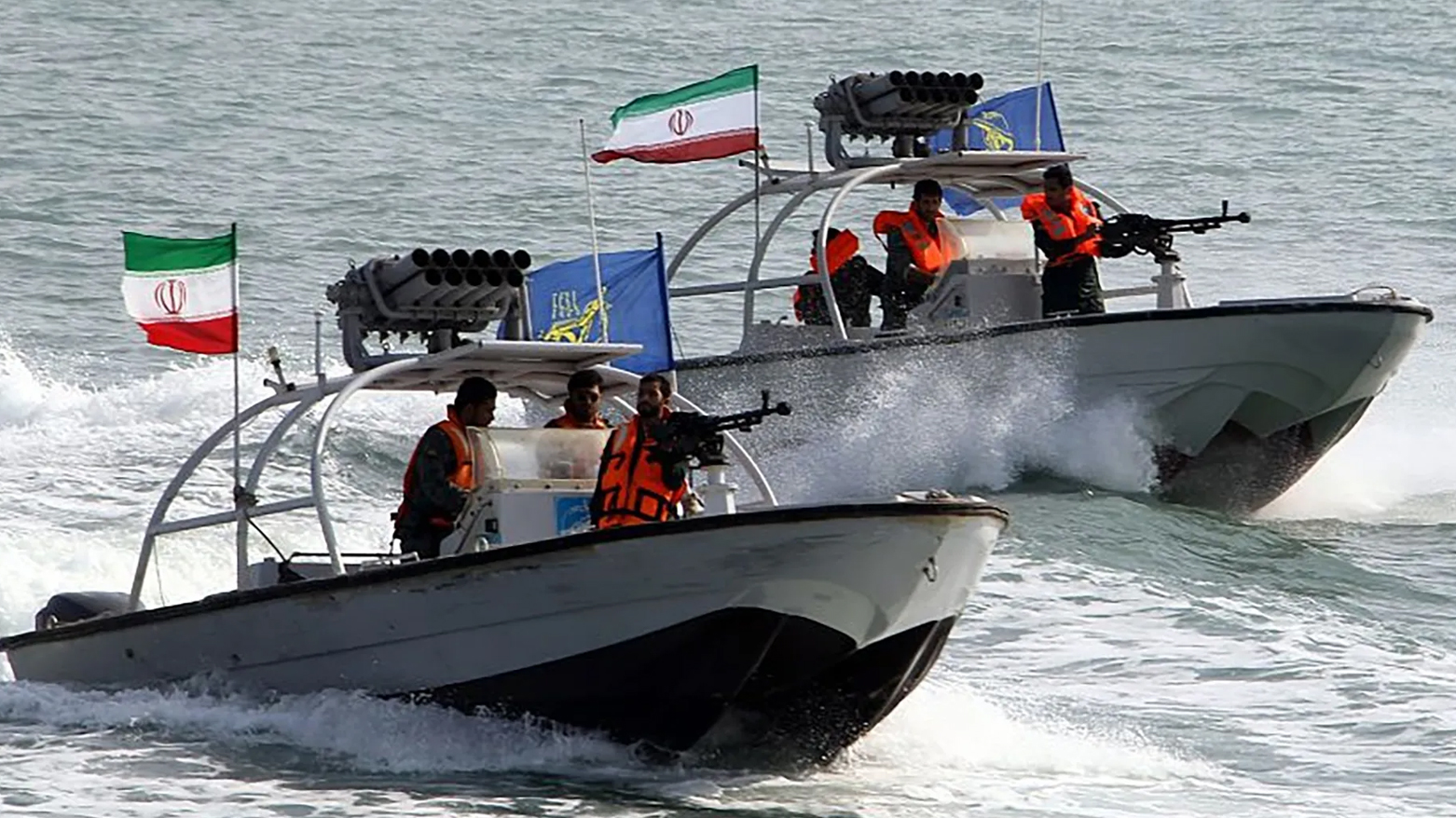
ERBIL (Kurdistan24) – Iran's Islamic Revolutionary Guard Corps (IRGC) said on Friday that it struck two oil tankers attempting to pass through the strategic Strait of Hormuz under the "air escort" of the U.S. military, amid heightened tensions in the vital shipping lane.
In a statement, the IRGC said the "non-compliant oil tankers" were hit and forced to stop, while four other tankers "quickly changed course and returned to their previous positions."
According to the Guards, the vessels had attempted to transit the Strait via "an undeclared route," referring to a U.S.-backed alternative shipping corridor instead of the navigation channel designated by Tehran closer to Iran's coastline.
The IRGC did not provide details on the tankers' identities, their flags, or whether there were any casualties or damage. There was no immediate comment from the United States or the operators of the vessels.
The latest incident follows a similar claim by the IRGC on Thursday, when it said two oil tankers attempting to transit the Strait of Hormuz had turned back after one of them caught fire.
The Strait of Hormuz, which connects the Persian Gulf to the Gulf of Oman and the Arabian Sea, is one of the world's most important maritime chokepoints, with a significant share of global oil and liquefied natural gas exports passing through it.
Since the outbreak of the Iran conflict on Feb. 28, Tehran has effectively controlled navigation through the Strait, requiring commercial vessels to obtain permission and pay transit fees before entering the waterway. Iran has also opposed the use of a U.S.-backed alternative route outside the channel it designates for maritime traffic.
The latest confrontation underscores continuing risks to international shipping in the Strait, where military activity and restrictions on navigation have repeatedly disrupted commercial traffic since the conflict began.