Mohammed Ihsan
University Professor and Academic
Baghdad’s Bitter Lesson and Washington’s Dangerous Gamble in Iran
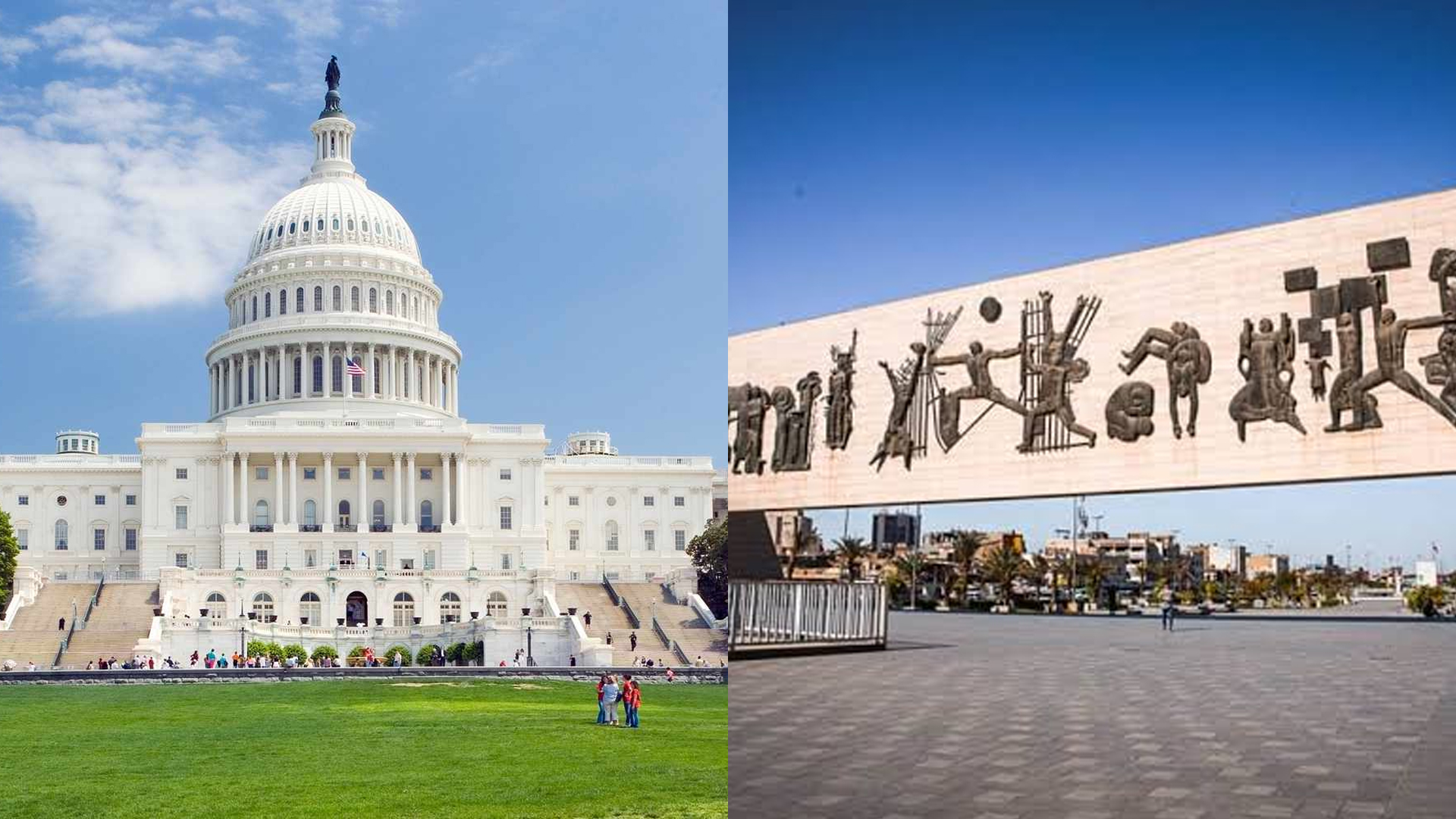
In March 2003, the United States invaded Iraq with overwhelming military superiority and a determination to reshape the Middle East. Within weeks, Saddam Hussein’s regime collapsed, and Washington appeared victorious. The removal of a brutal dictator seemed to confirm America’s ability to transform hostile nations through force. Yet what followed became one of the most consequential strategic miscalculations in modern American history. More than two decades later, as Washington confronts Iran in a potentially transformative conflict, the lesson of Baghdad remains painfully relevant: overthrowing a government is one thing; controlling what comes afterward is another.
Saddam Hussein’s dictatorship was responsible for extraordinary repression, political executions, and devastating wars. Many Iraqis understandably welcomed its downfall, hoping that liberation would bring freedom, stability, and prosperity. But removing Saddam did not automatically create democracy or national reconciliation. Instead, the dismantling of state institutions, the dissolution of the Iraqi military, and the exclusion of large numbers of former officials contributed to a security vacuum that insurgents, sectarian factions, and foreign powers exploited.
Washington had prepared to win the war but inadequately prepared for its aftermath. What followed was years of insurgency, sectarian violence, and political instability. Approximately 4,500 American service members died in the Iraq conflict, thousands more were wounded, and Iraqi society endured vastly greater suffering. The financial burden reached into the trillions of dollars, depending on which long-term costs are included. For American taxpayers, the war represented not only an extraordinary financial commitment but also an opportunity cost, diverting resources from domestic priorities and other strategic challenges.
Yet the most consequential cost was geopolitical. By overthrowing Saddam, Washington removed one of Iran’s principal regional adversaries. Iraq and Iran had fought a devastating war from 1980 to 1988, leaving both countries with enormous casualties and deep historical grievances. Saddam’s government had served as a significant counterweight to Tehran. Once his regime collapsed, Iran gained opportunities to expand its influence through Iraqi political parties, economic relationships, and connections with armed groups.
This was the central paradox of the Iraq War: the United States spent enormous resources defeating one hostile regime, only to create conditions that strengthened another adversary. Washington had intended to reshape the regional balance of power in its favor, yet the consequences of its intervention helped expand Iranian influence. Iraq did not become an Iranian possession, but Tehran emerged with greater strategic opportunities than it had enjoyed under Saddam.
The subsequent rise of the Islamic State further exposed the consequences of Iraq’s instability. The organization exploited political grievances, security failures, and the Syrian civil war to seize large areas of Iraq and Syria in 2014. Although its emergence cannot be attributed to the American invasion alone, the destruction of Iraqi institutions and the failures that followed contributed to the environment in which it flourished. The United States eventually returned to Iraq to fight a new war against an extremist organization that had emerged amid the disorder following the previous intervention.
The experience fundamentally challenged Washington’s assumptions about military power. The Iraq War demonstrated that defeating an army and removing a leader are not equivalent to building a stable political order. American forces could win battles, eliminate targets, and establish military control, but they could not guarantee political legitimacy, reconcile competing factions, or determine how regional powers would respond. Military superiority proved insufficient to deliver the strategic outcome Washington had anticipated.
This experience helped make American policymakers more cautious about prolonged occupations and ambitious nation-building projects. It did not eliminate the use of force from American foreign policy, but it increased the political and strategic costs of pursuing regime change. The central question became harder to ignore: even if the United States could overthrow a hostile government, would doing so leave America and its allies safer than before?
That question is particularly important in the confrontation with Iran. Iran is not Iraq. With a population exceeding 90 million, a substantial industrial and scientific base, deeply rooted state institutions, difficult terrain, and extensive regional relationships, Iran presents a considerably more complex challenge. Its strategic position near the Strait of Hormuz also means that a prolonged conflict could disrupt international energy supplies, increase shipping costs, and send economic shock waves far beyond the Middle East.
The United States possesses the military capabilities to inflict devastating damage on Iranian military infrastructure. But the ability to destroy targets or eliminate senior officials does not guarantee the collapse of the Islamic Republic, much less the emergence of a stable and cooperative successor government. The distinction between weakening a state militarily and determining its political future is fundamental.
Regime change is sometimes discussed as though removing a hostile leadership automatically resolves the problems that made it an adversary. In reality, the consequences may be far less predictable. Iran’s security institutions could survive the loss of senior leaders, reorganize around new authorities, or become even more hard-line. Alternatively, the collapse of the existing system could trigger a struggle among competing political factions, security organizations, and armed groups.
Nor does dissatisfaction with a government guarantee agreement over what should replace it. Iranians who oppose the Islamic Republic do not necessarily share the same political vision, and opposition to domestic repression should not be confused with support for foreign military intervention. Military attacks could create opportunities for political change, but they could also intensify nationalist sentiment and allow surviving authorities to portray the conflict as a struggle for national survival.
The regional consequences of a political collapse could be equally serious. Iraq and the Gulf states could face renewed instability, while other countries connected to Iran’s regional relationships could experience further conflict. Disruption to energy markets and international shipping could impose substantial costs on the global economy. A campaign intended to strengthen American security could therefore generate new threats requiring years of additional diplomatic, economic, or military involvement.
This is where the ghost of Baghdad becomes impossible to ignore. The central danger is not that America lacks the power to inflict enormous damage on Iran. It is that Washington might again underestimate the political consequences of using that power. The collapse of a hostile government does not guarantee a friendly successor, just as the destruction of an adversary does not automatically produce a more favorable regional order.
None of this means that the United States must preserve every hostile regime it confronts. Nor does it mean that military force can never contribute to political change. It means that regime change should be judged not by the speed with which a government falls, but by whether the resulting political order advances the strategic objectives that justified intervention.
The Iraq War offers a sobering warning. Washington removed Saddam Hussein but struggled to build a stable Iraq, expended enormous resources, suffered thousands of military fatalities, and inadvertently expanded Iran’s regional influence. The consequences extended far beyond the original military campaign, reshaping American foreign policy and demonstrating how difficult it can be to reverse the unintended effects of intervention.
Iran presents a different challenge, but the fundamental dilemma remains the same. Washington may be capable of winning military engagements and severely weakening the Iranian state. What it cannot guarantee is that the resulting political transformation would produce stability, democracy, or a safer Middle East.
Ultimately, the test of American power is not simply whether it can overthrow another hostile government. It is whether it can anticipate the consequences, manage the aftermath, and produce an outcome that genuinely serves its national interests. Baghdad demonstrated the danger of confusing military victory with strategic success. Tehran may determine whether Washington has finally learned the difference.
America’s greatest strategic danger is not that it lacks the power to overthrow another hostile regime. It is that, once again, it may mistake the ability to destroy a political order for the ability to build a better future in its place.
The views expressed in this article are those of the author and do not necessarily reflect the views of Kurdistan24.