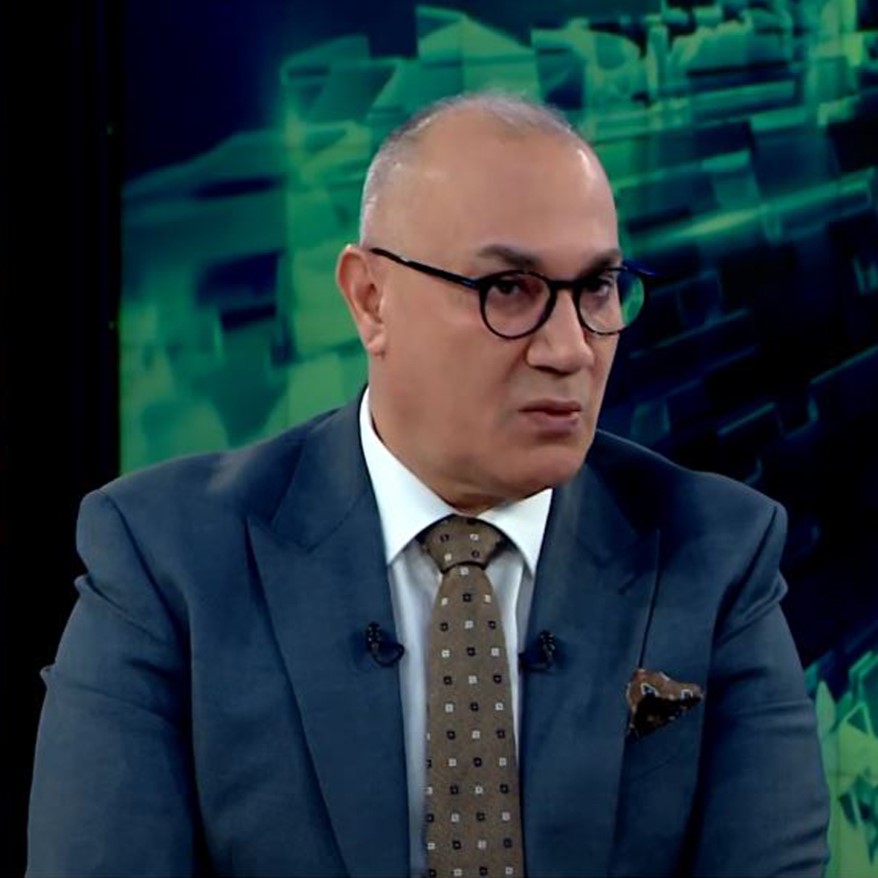
Mohammed Ihsan
University Professor and Academic
Why Iran Pressures the Gulf States When Confronting America
Dr. Mohammed Ihsan argues that Iran targets Gulf states not as primary enemies but to raise the costs of U.S. military action, deter escalation, influence Washington through its regional allies, and push all sides toward diplomacy while risking stronger regional opposition.
By Dr Mohammed Ihsan
Yale University
As tensions between the United States and Iran escalate, one of the most important geopolitical questions is why Tehran repeatedly directs pressure toward the Gulf states instead of focusing solely on Washington. On the surface, it seems contradictory. Most Gulf countries have consistently called for restraint, sought to avoid becoming battlegrounds, and have little interest in being drawn into a direct confrontation between Iran and the United States. Yet they continue to find themselves at the center of Iran’s strategic calculations.
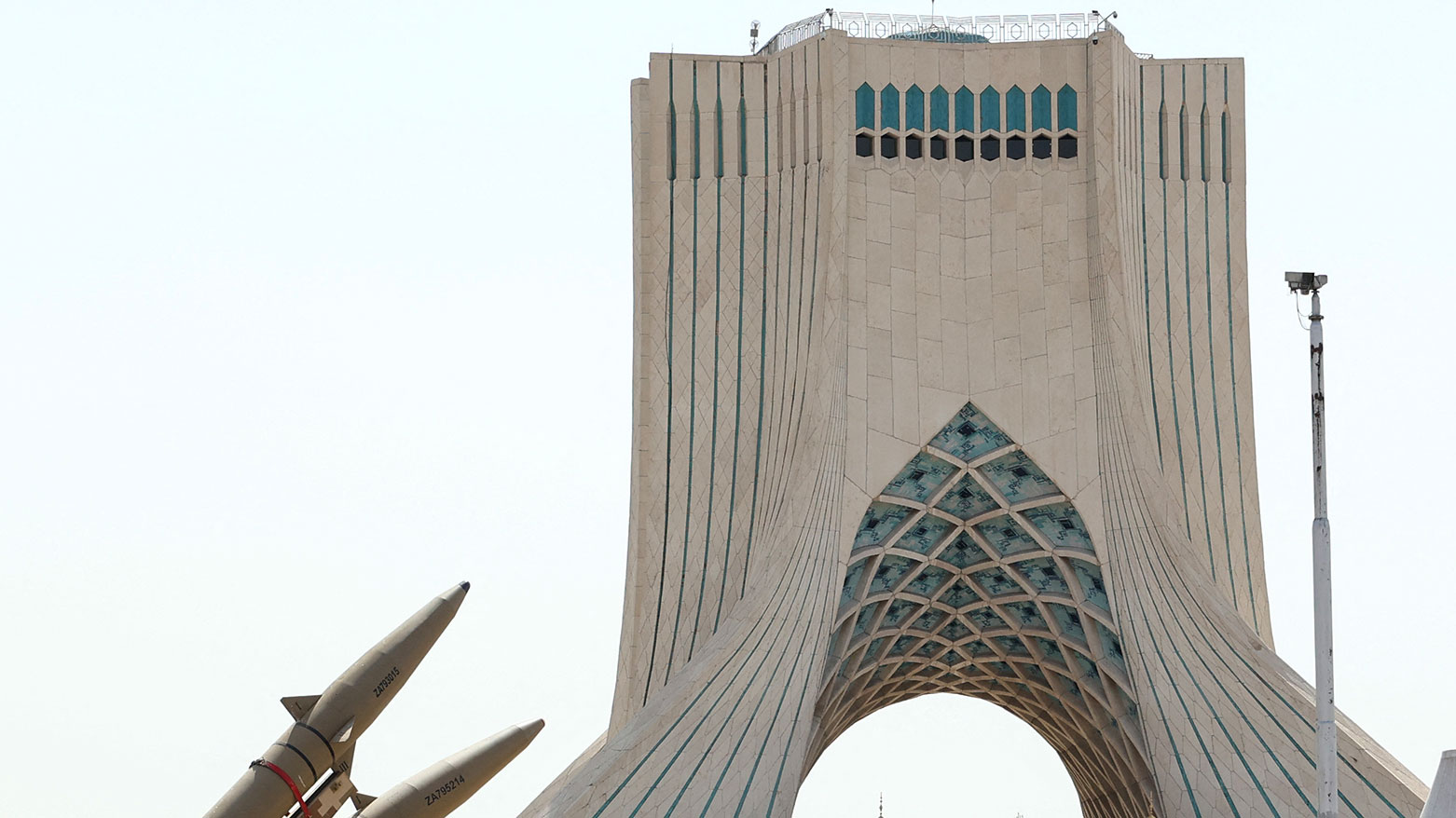
The explanation lies in Iran’s doctrine of deterrence. Tehran understands that it cannot match the United States militarily in a conventional war. Instead, its strategy is to increase the political, economic, and strategic costs of any American military action. The Gulf states occupy a central place in this strategy because they host American military bases, support US military operations, and represent the heart of the global energy market. By threatening these countries, Iran is effectively sending a message to Washington that any attack on the Islamic Republic will inevitably destabilize America’s closest regional partners.
Iran’s objective is therefore not to conquer the Gulf or wage a permanent conflict against its Arab neighbors. Rather, it wants Gulf governments to become advocates for restraint. If these states believe that every escalation against Iran could expose their cities, airports, ports, energy facilities, and critical infrastructure to retaliation, they have every reason to encourage diplomacy and discourage military confrontation. From Tehran’s perspective, turning America’s allies into voices for de escalation is a far more effective strategy than attempting to confront the United States directly.
The economic dimension is equally important. The Gulf remains one of the world’s most vital energy hubs, and the Strait of Hormuz is among the most strategically significant waterways on the planet. Iran has long understood that even limited disruptions to shipping routes or energy infrastructure can have global consequences. A rise in oil prices, higher shipping costs, market uncertainty, and disruptions to international trade quickly extend the impact of a regional conflict far beyond the Middle East. In Tehran’s calculations, economic pressure can often achieve what military force alone cannot.
There is also a psychological objective. Iran wants to demonstrate that regional security cannot be built while excluding Iran from the regional balance of power. For decades, the Gulf security architecture has depended heavily on American military protection. By showing that advanced missile defenses cannot eliminate every threat, Tehran seeks to challenge confidence in those security guarantees. Every successful strike or credible threat reinforces Iran’s argument that lasting stability cannot rely solely on military alliances but must also involve political engagement with Tehran.
Diplomatic leverage is another key factor. Iran recognizes that the Gulf states enjoy considerable influence in Washington through security partnerships, economic ties, and energy cooperation. If Gulf leaders become increasingly concerned that conflict with Iran threatens their own national security and economic prosperity, they may intensify efforts to persuade the United States to pursue negotiations rather than military escalation. In this way, pressure on the Gulf becomes an indirect method of influencing American decision making.
At the same time, this strategy is far from risk free. Every attack or threat against Gulf states risks strengthening regional cooperation against Iran, encouraging greater American military involvement, accelerating investments in integrated air defenses, and deepening security partnerships between Arab states and Washington. A strategy designed to deter external pressure can ultimately produce the opposite effect by reinforcing the regional coalition that Iran seeks to weaken.
This is the paradox at the heart of Iran’s regional strategy. Tehran believes that demonstrating its ability to inflict costs creates deterrence and compels diplomacy. Its rivals argue that the same actions justify stronger military cooperation and greater efforts to contain Iran. The result is a cycle in which every attempt to strengthen deterrence also fuels deeper mistrust and higher levels of regional militarization.
Ultimately, Iran does not place the Gulf states in its crosshairs because they are its principal enemies. It does so because they represent the most effective pressure points through which American strategy can be influenced. Tehran wants Washington and its regional allies to understand that any military confrontation with Iran will not remain confined to Iranian territory. It will reverberate across the Gulf, disrupt global energy markets, unsettle international commerce, and raise the cost of conflict for every actor involved.
At its core, Iran’s strategy is based on a simple calculation. If it cannot prevent American military pressure through conventional strength, it will seek to make the consequences of that pressure so costly that diplomacy becomes the more attractive option for all sides.
Professor Mohammed Ihsan
Secretary General, Afro-Asian People’s Solidarity Organization (AAPSO)
The views expressed in this article are those of the author and do not necessarily reflect the views of Kurdistan24.