Iraq Sees Sharp Surge in Youth Suicides Amid Spread of Narcotics
Iraq is experiencing a sharp rise in youth suicides, with 1,500 cases last year linked to narcotics spread, unemployment, and social pressures, according to human rights groups and official data.
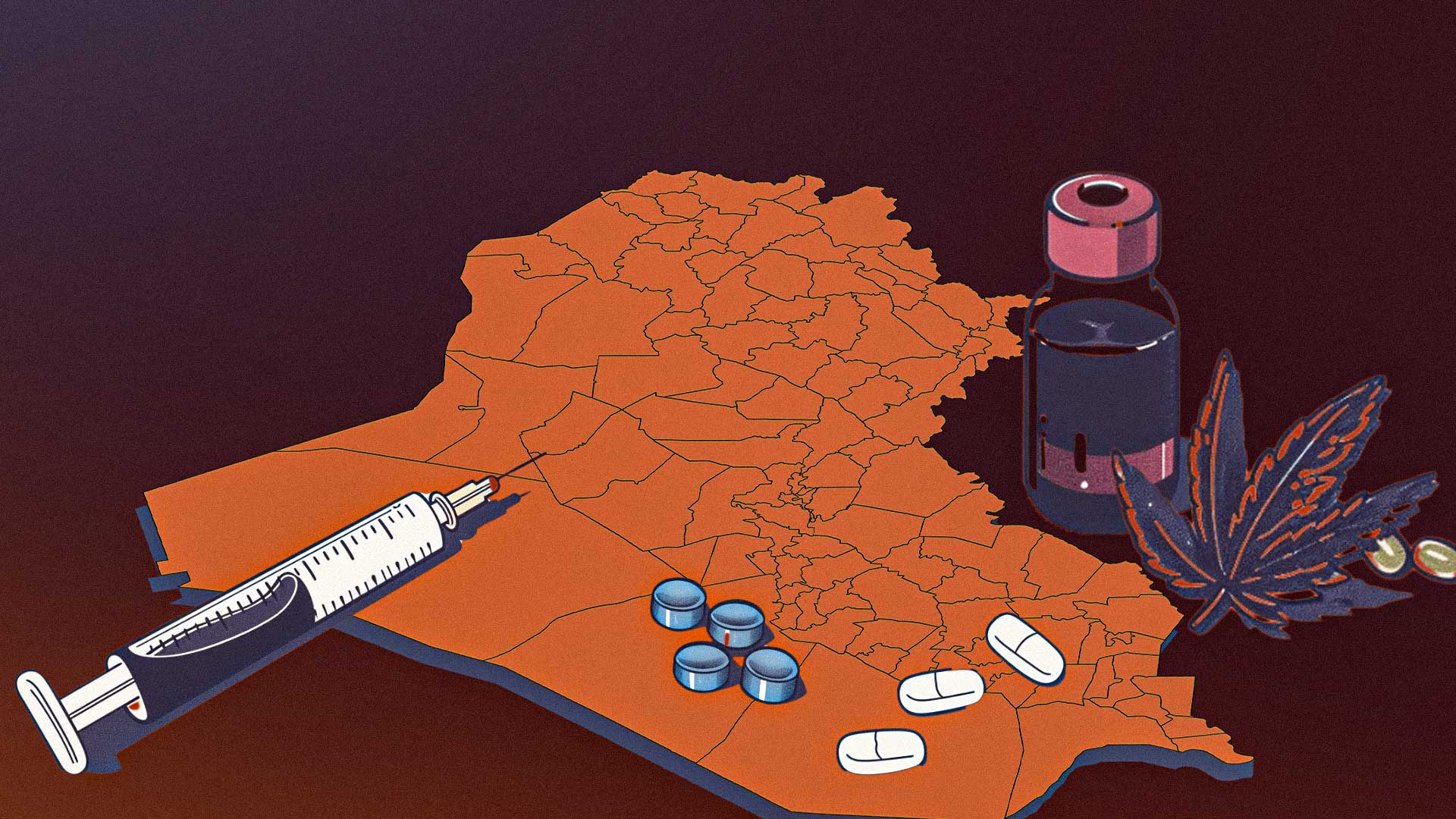
ERBIL (Kurdistan24) - Iraq is witnessing a troubling rise in suicide cases, particularly among young people, as the spread of narcotic substances, deepening unemployment, and worsening social pressures continue to take a heavy toll on communities across the country. Reports of suicides now appear almost weekly in several provinces, with Basra, Baghdad, Nineveh, and Diyala recording the highest number of incidents.
Human rights organizations, both domestic and international, note that suicide rates have increased significantly over the last few years, especially among individuals aged 18 to 35. A recent report by the Iraqi Center for Human Rights Strategy attributes the surge to deteriorating living conditions, widespread poverty, the growing availability of narcotic substances, and the lack of psychological and social support structures. The organization emphasized that seventy percent of those who take their own lives are under the age of thirty, and most do not hold formal educational qualifications.
Official data released by Iraqi security agencies indicates a steady escalation in cases: approximately 1,100 suicides were recorded in 2022, around 1,300 in 2023, and nearly 1,500 in the past year. Activists warn that the true figures may be even higher, given the social stigma attached to reporting suicide and the tendency of some families to conceal such cases.
The Iraqi Center for Human Rights Strategy criticized the government for what it described as an insufficient response to the growing crisis. The organization stressed that authorities must address the root causes of suicide by limiting the spread of narcotic substances, creating sustainable employment opportunities, improving access to mental health support, and passing long-delayed legislation on domestic violence. Although domestic violence remains one of the major factors pushing individuals toward suicide, Iraq’s parliament has so far been unable to approve a dedicated law to address the issue.
Under Iraq’s current penal code, any person who incites or encourages another individual to commit suicide faces a prison sentence of up to seven years. However, rights groups argue that legal penalties alone will not stem the rising tide of cases without broader reforms that protect vulnerable communities and improve economic and social conditions.
As drug abuse spreads, economic challenges deepen, and social pressures intensify, the rise in suicides reflects a broader humanitarian crisis affecting Iraq’s younger generations. Activists warn that without immediate national intervention and comprehensive social reforms, the country risks facing an even more severe mental health emergency in the years ahead.