Kurdistan Region Sees De-Escalation in Western Kurdistan, Says Presidency Spox
He added that the Kurdistan Region’s sustained political and diplomatic initiatives have helped build strong international backing for Western Kurdistan.
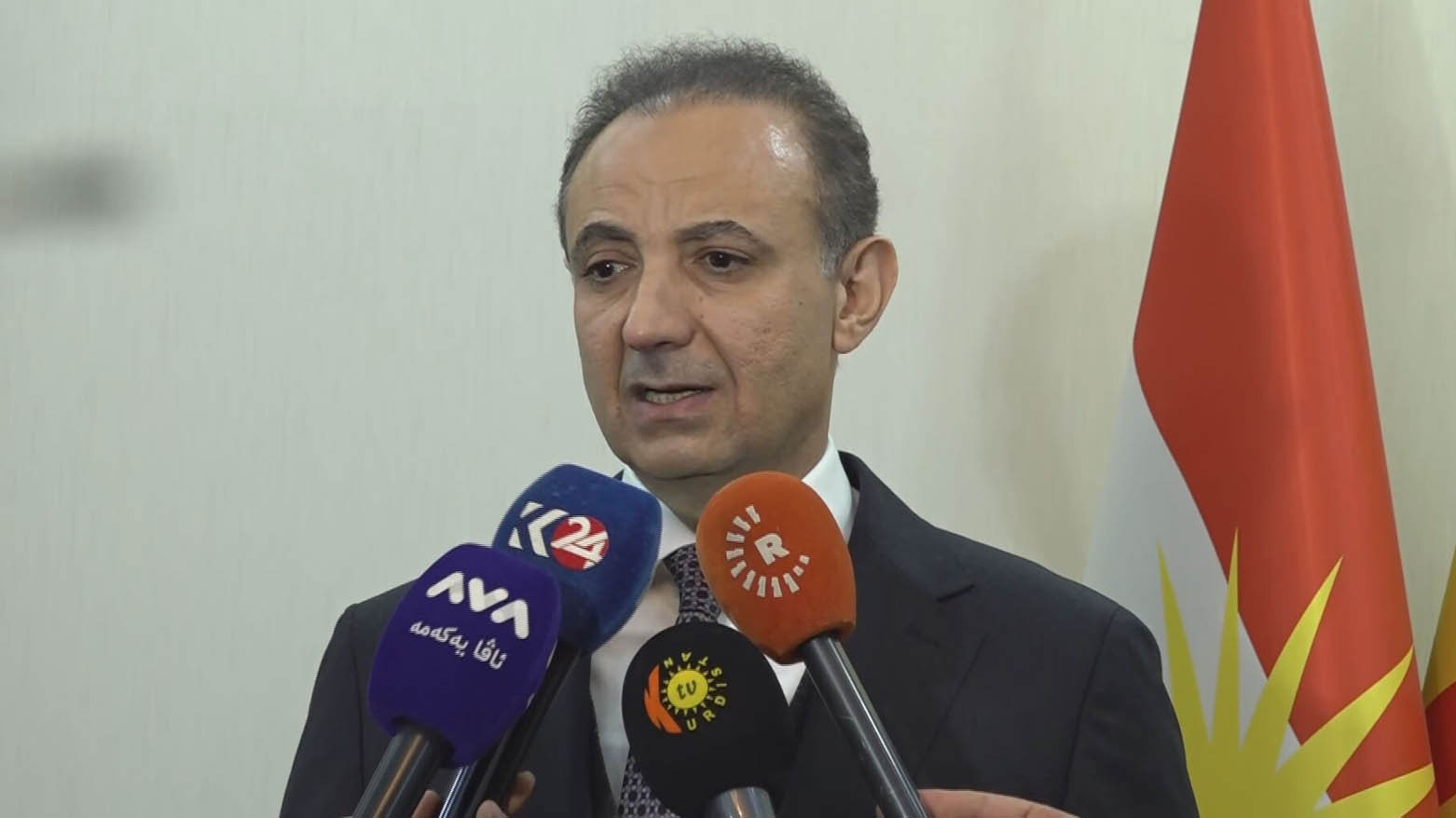
ERBIL (Kurdistan24) — The Kurdistan Region is continuing intensive diplomatic efforts to calm tensions in Western Kurdistan (northeastern Syria), with clear signs of de-escalation and no indication of imminent large-scale war, a senior official said on Wednesday.
Dilshad Shahab, spokesperson for the Kurdistan Region Presidency, told a press conference that the political leadership of the Kurdistan Region—particularly President Masoud Barzani—has “seriously and practically” mobilized all available diplomatic channels and international relationships to protect Western Kurdistan and prevent further escalation.
Shahab noted that the issue has been a key focus of President Barzani’s recent foreign engagements, including his visit to Italy, as well as ongoing communications with major international decision-making centers.
“As a result of the Kurdistan Region’s continuous follow-up and the support of international allies, it has become clear that without securing the legitimate rights of the Kurdish people, lasting stability in the region will remain elusive,” Shahab said.
He added that the Kurdistan Region’s sustained political and diplomatic initiatives have helped build strong international backing for Western Kurdistan. Alongside humanitarian assistance, these efforts have played an effective role in easing tensions and preventing what he described as the dangerous prospect of a devastating war.
Shahab also emphasized that mediation and monitoring efforts are continuing, with positive indicators suggesting the situation is moving toward peace.
“There is no country or party that supports the war in Syria,” he said, adding that there is broad international consensus on the need to end the military conflict.
Concluding his remarks, Shahab highlighted the role of the Kurdish people in defeating the Islamic State (ISIS), stressing that their sacrifices are internationally recognized. He warned that any renewed instability or resurgence of terrorism in Syria would have direct repercussions for security in Iraq and the wider region.