Domestic Violence in Iraq Surges 150 Percent in One Year, New Report Reveals
Domestic violence cases in Iraq rose by 150 percent in 2025, with 36,289 recorded incidents, while Erbil officials report declining complaints under ninth cabinet reforms.
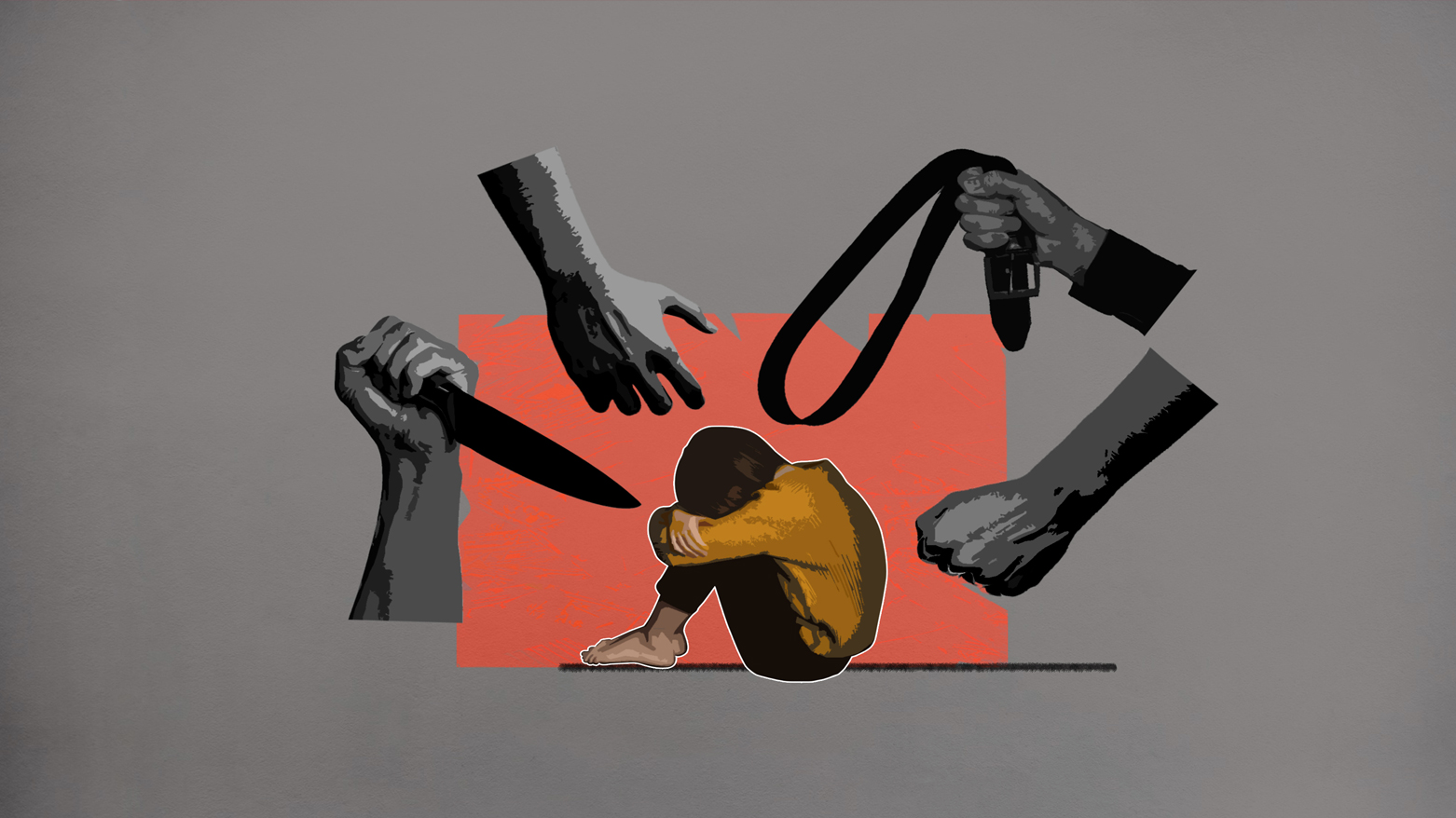
ERBIL (Kurdistan24) - Domestic violence in Iraq has risen at an alarming rate, increasing by 150 percent within a single year, according to a new and “dangerous” report released on Wednesday, laying bare the scale of abuse and warning that the real figures are far higher than officially recorded.
On Wednesday, the Iraqi Observatory for Human Rights (IOHR) published a report detailing domestic violence statistics across Iraq. The data, based on official sources, shows that 36,289 cases of domestic violence were formally recorded in 2025.
This marks a sharp rise compared to 2024, when only 14,000 cases were registered.
The observatory stressed that these figures represent only victims who had the courage to break their silence and seek help from police and the courts. It noted that thousands of additional cases remain unreported due to “fear and social pressure.”
The report classified the cases as follows:
Between spouses, 19,587 cases involved assaults by husbands against wives, while 5,918 cases involved assaults by wives against husbands.
In cases involving parents, there were 3,112 assaults by sons and 531 assaults by daughters against their parents.
Among siblings, 1,583 cases involved brothers assaulting sisters, and 725 cases involved sisters assaulting brothers.
Regarding violence against children, 1,282 cases involved fathers assaulting their children, while 559 cases involved mothers assaulting their children.
Shams al-Jamawi, Assistant Head of the Observatory, stated: “Every number here carries a human story full of pain.”
The report strongly criticized Article 41 of the Iraqi Penal Code, which allows violence under what it describes as the “right to discipline.”
It also pointed to the absence of government shelters and reliance on “tribal reconciliation” mechanisms, saying these factors leave victims without protection and allow perpetrators to evade punishment.
In its concluding recommendations, the Observatory called on the government and parliament to accelerate the passage of a dedicated domestic violence law, amend the Penal Code and abolish Article 41, establish protected shelters for victims across all provinces, and launch a nationwide awareness campaign on the dangers of domestic violence for future generations.
Separately, the Directorate of Combating Violence Against Women and Families in Erbil announced a decline in domestic violence and divorce rates within its jurisdiction, attributing the improvement to the support of the ninth cabinet and direct oversight by senior officials.
Colonel Safin Tahir, Director of Combating Violence Against Women, stated in an interview with the official website of the Kurdistan Democratic Party: “As a result of the direct supervision and support of the Prime Minister, the Minister of Interior, and the Director of Erbil Police, it has been possible to reduce divorce rates.”
He noted that domestic violence complaints declined from 4,067 cases in 2022 to 2,647 cases in 2025.
Tahir further stated that over a three-year period, 1,666 families were prevented from separation, while cases of family reconciliation increased from 393 cases in 2023 to 688 cases in 2025.
He added: “These achievements are considered part of the ninth cabinet’s strategy to consolidate social peace and enhance coordination between the Ministry of Interior and local and international organizations.”
While national figures indicate a dramatic rise in domestic violence across Iraq, officials in Erbil report measurable local declines, highlighting contrasting trends and renewed calls for legal reform and institutional action.