Six Leaders of Iraq's Main Shiite Bloc Withdraw Support for Nouri al-Maliki as US Pressure Intensifies
Six Coordination Framework leaders have withdrawn support for Nouri al-Maliki as US pressure intensifies ahead of a decisive meeting on Iraq’s prime ministerial candidate.
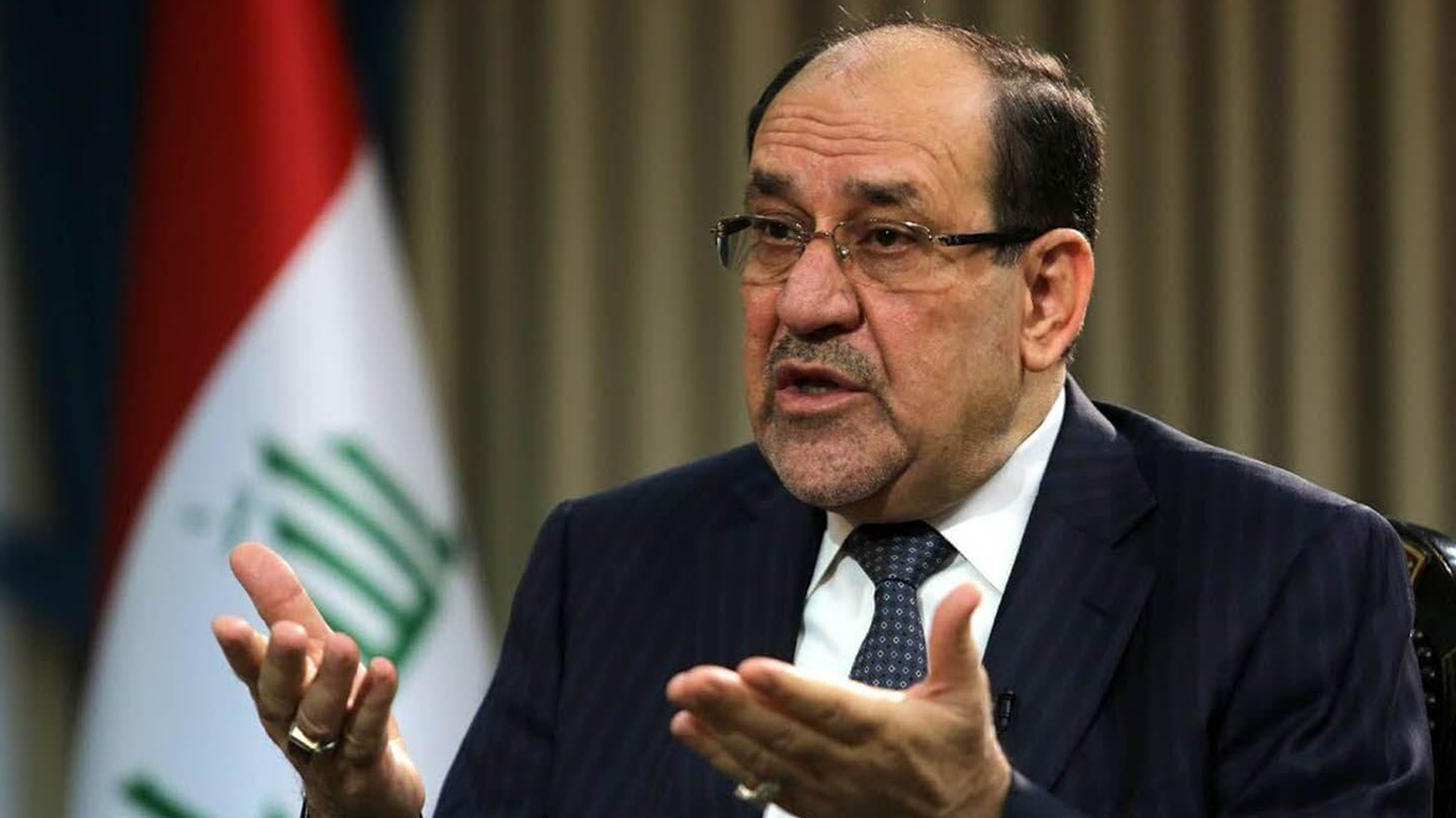
ERBIL (Kurdistan24) - Political fault lines inside Iraq’s Shiite Coordination Framework deepened on Wednesday as six senior leaders withdrew their support for former Prime Minister Nouri al-Maliki, hours before a decisive meeting expected to determine the bloc’s candidate for Iraq’s next government.
On Wednesday, Hussein al-Shahani, a member of the political bureau of the Sadikun Movement, told Kurdistan24 that six leaders within the Coordination Framework have completely withdrawn their support for Nouri al-Maliki for the post of Iraqi prime minister and will not back him under any circumstances.
He stressed that opposition to al-Maliki is expanding, adding that another leader is expected to join the dissenting camp. He further revealed that several lawmakers and factions within the State of Law Coalition itself have reduced their support for al-Maliki.
Al-Shahani stated that the number of Shiite seats opposed to al-Maliki’s candidacy now amounts to two-thirds of the total seats within the Coordination Framework.
According to him, two options now stand before the bloc: either al-Maliki withdraws voluntarily, or he is withdrawn through a collective decision taken within the framework.
“We are compelled to withdraw our candidate; we only have these two options,” al-Shahani said, noting that this position aligns with the stance of Kurdish and Sunni parties. He added that they are not prepared to move against the message of President Donald Trump, describing that as their right.
On Jan. 27, 2026, Donald Trump warned in a message that if al-Maliki returns as prime minister, Washington would cease cooperation with Iraq.
Separately, a well-informed political source said that Coordination Framework forces are preparing for a decisive meeting within the coming hours. The source told Iraqi media that consultations over the past two days reached a preliminary agreement to hold an expanded session as soon as possible to take a final decision on the prime ministerial candidate.
The source also indicated that Washington’s firm stance has pushed Shiite forces to urgently review their options in order to prevent a diplomatic confrontation.
Information suggests that an official message from Washington reached one of the senior leaders of the Coordination Framework, requesting that a candidate be selected within forty-eight hours. Following mediation among the parties, the deadline was extended to five days, with Thursday set as the final deadline.
The US Department of State, in a special statement to media outlets, described its position as firm and unambiguous, stating: “The nomination of Nouri al-Maliki for the premiership would compel Washington to fully reassess its relations with Iraq.”
Within the Coordination Framework, divisions have deepened. Some leaders, fearing US sanctions and the deterioration of international relations, are calling for al-Maliki’s withdrawal. Others, including al-Maliki himself, remain committed to his candidacy and insist that any withdrawal must come through a collective decision within the alliance.
Observers say the outcome of the Coordination Framework’s meeting will determine Iraq’s political direction for the next four years and shape how the international community engages with Baghdad.
Earlier developments indicated that al-Maliki would only agree to withdraw if a majority of leaders within the Coordination Framework formally vote to remove him from the race.
Mahmoud Hayani, a member of the Coordination Framework, previously stated: “Maliki has stated that he will step back only if the majority of Coordination Framework leaders formally vote to take him out of the race.”
According to Kurdistan24 sources, a new message from the United States was delivered to Coordination Framework leaders, reaffirming Washington’s opposition to al-Maliki’s candidacy.
Ali Fahad, a member of the Hikma bloc, suggested that Hamid Shatri has emerged as the strongest contender, saying: “Shatri has the greatest chance because he faces the least internal and international opposition.”
Meanwhile, the prospects of Mohammed Shiaa al-Sudani have diminished amid the evolving dynamics within the bloc.
With support eroding and international pressure mounting, the Coordination Framework now faces a defining decision that could reshape Iraq’s government formation and its diplomatic trajectory.