Erbil Governor Calls on Baghdad to Compensate Civilians After Recent Attacks
Erbil Governor Omed Xoshnaw urged Baghdad to compensate residents for damage from recent attacks, directing officials to document losses since Feb. 28, as authorities assess impacts following regional security incidents.
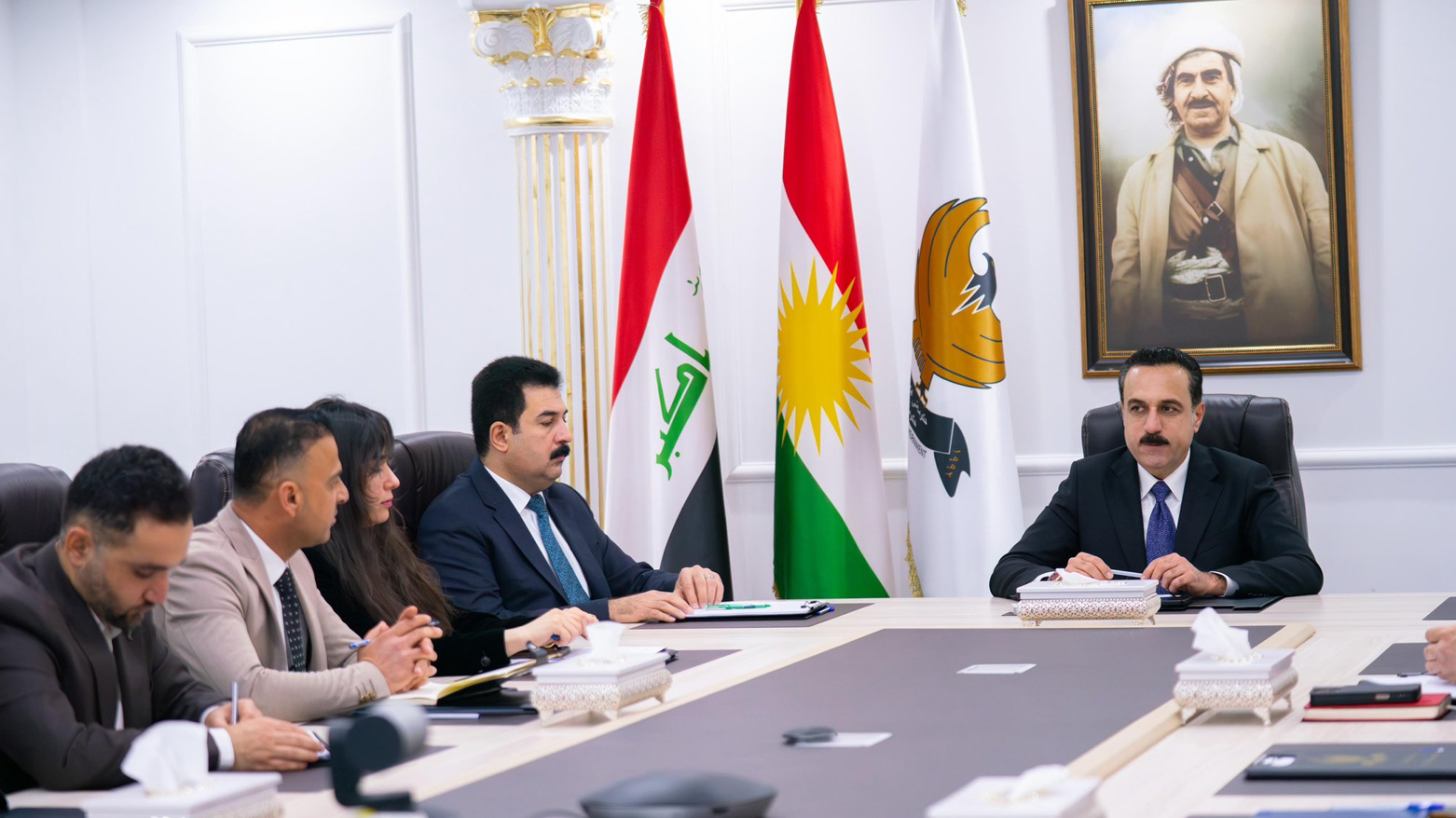
ERBIL (Kurdistan24) - Erbil Governor Omed Xoshnaw presided over a formal meeting on Sunday, with the chairman and members of the local Damage Assessment Committee, where he called on the Iraqi federal government to compensate residents affected by recent bombardments in the governorate.
The meeting at the Governorate Office was held to evaluate both the material and human losses sustained by citizens and public infrastructure within Erbil's administrative borders. According to official statements from the provincial administration, these losses resulted from a series of attacks carried out by outlawed groups.
The assessment meeting was attended by several senior local officials, including Deputy Governor Hemin Qadir, Mayor of Erbil Central District Nabaz Abdulhamid, and the directors of internal affairs and provincial crisis management.
During the session, Governor Xoshnaw directed the Damage Assessment Committee to compile a detailed and accurate registry of all citizens who have incurred losses since Feb. 28. He stated that this precise documentation is necessary to provide a clear understanding of the full scale of the damage inflicted upon the capital city and its residents.
Addressing the broader political and financial implications of the security situation, the governor explicitly called upon the federal government in Baghdad to assume its legal responsibilities.
Governor Xoshnaw urged federal authorities to utilize provisions within the "emergency budget" to compensate all citizens and parties who have suffered losses due to the ongoing attacks. He characterized the bombardments as crimes committed against the territory and people of the Kurdistan Region.
At the conclusion of the formal assessment meeting, Governor Xoshnaw issued a directive regarding media operations during the ongoing security crisis. He requested that local and regional media outlets adhere strictly to the guidelines established by the Department of Media and Information when reporting from affected sites.
The governor emphasized that news organizations must present these events professionally to the international community and specifically cautioned against the publication of false news or the distortion of official damage statistics.
The Sunday meeting regarding civilian compensation followed a significant security incident the previous day involving the highest level of the regional government. On March 28, the residence of Kurdistan Region President Nechirvan Barzani in Dohuk was targeted in a drone attack.
Following the strike on the presidential residence, Judge Abduljabbar Aziz Hassan, the President of the Kurdistan Region Judicial Council, issued a formal statement condemning the military action.
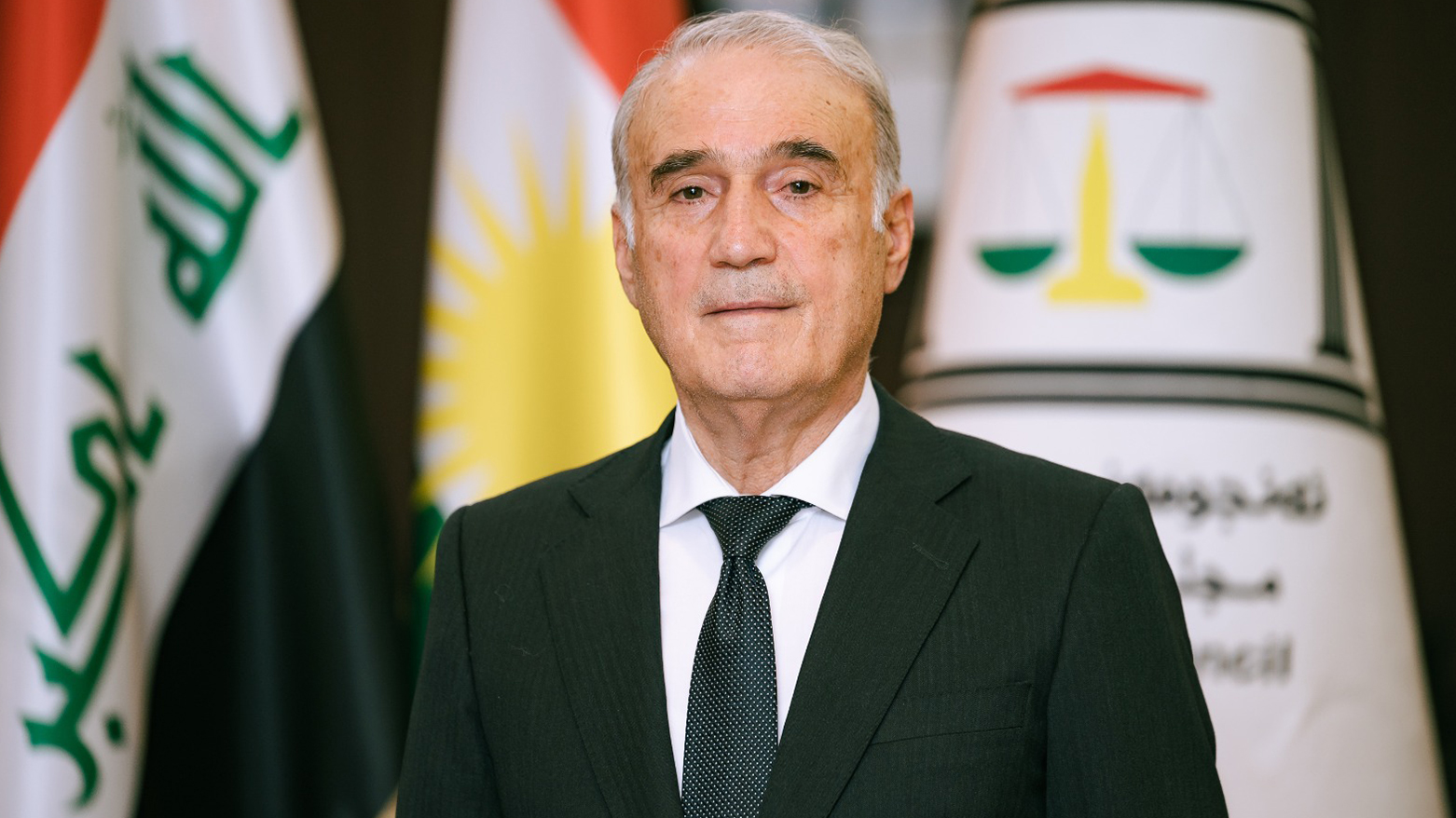
In his statement, the Judicial Council President characterized the drone strike on President Barzani's home as "a targeting of the entire people of the Kurdistan Region and Iraq as well."
Judge Hassan stated that the attack was specifically aimed at disrupting the existing security, stability, development, and reconstruction efforts within the Kurdistan Region.
He emphasized the region's official non-combatant status regarding the broader regional conflict, stating, "The Kurdistan Region is not a party to the war currently being fought."
The Judicial Council President further highlighted the diplomatic efforts of the regional administration, noting that the Kurdistan Region is a vital component in achieving area security, a process in which he said the President of the Region has played a major role.
In response to the attack on the presidential residence, Judge Hassan formally called upon relevant law enforcement and security authorities to fulfill their institutional duties.
He urged these agencies to rapidly identify the perpetrators, conduct thorough investigations, and transfer the individuals to the judicial system to be penalized according to established law.
The consecutive developments over the weekend—the strike on the presidential residence and the subsequent mobilization of the provincial Damage Assessment Committee—highlight the ongoing security challenges facing the regional capital and its administrative infrastructure.