Saudi Crown Prince Holds Strategic Talks with Jordanian, Qatari Leaders Amid Rising Regional Tensions
Crown Prince Mohammed and Sheikh Tamim discussed the potential impact on freedom of international navigation, energy supply security, and the global economy, agreeing to coordinate efforts to reinforce stability in the region
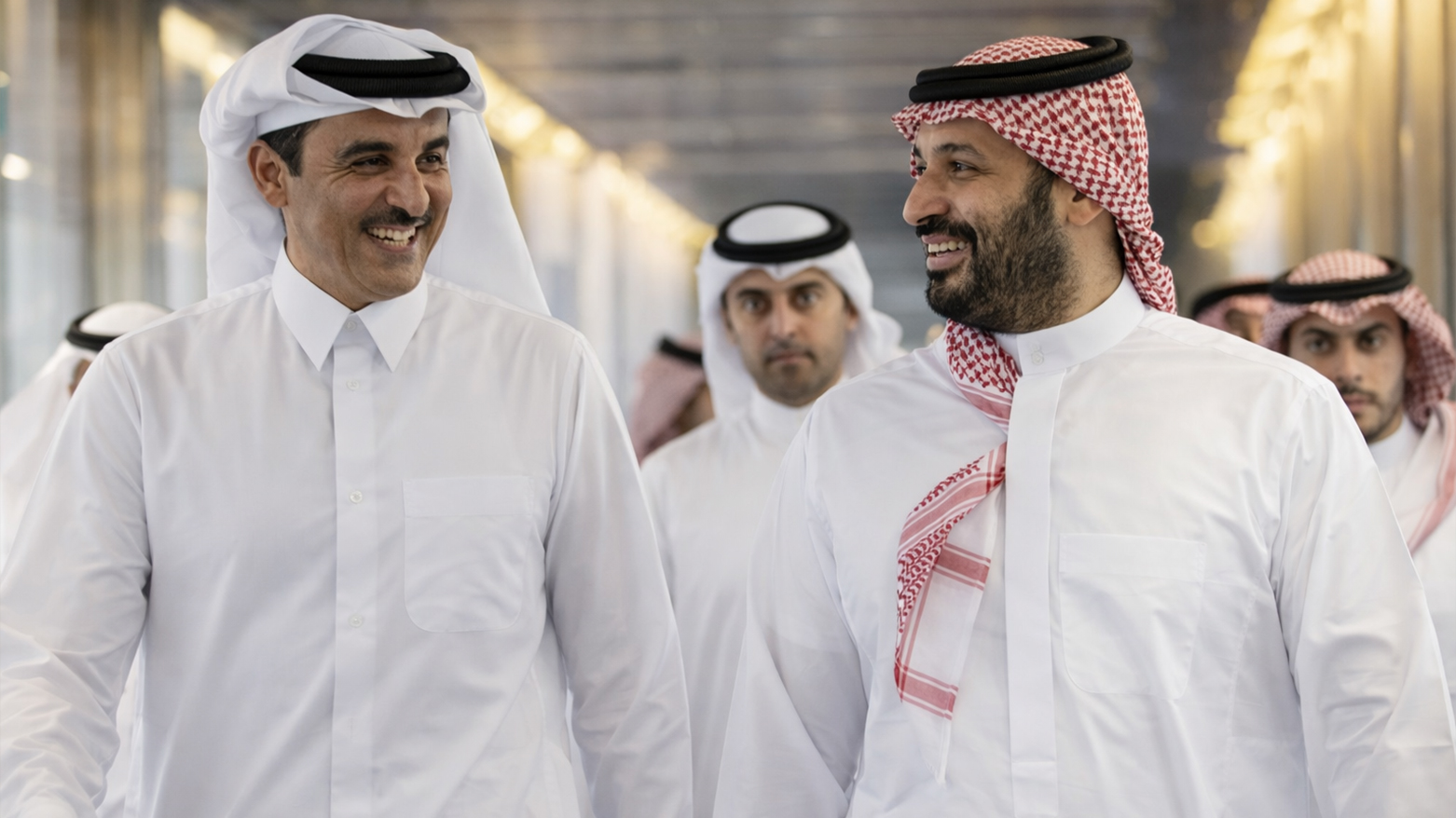
ERBIL (Kurdistan24) — Prince Mohammed bin Salman bin Abdulaziz Al Saud, Saudi Arabia’s Crown Prince and Prime Minister, held separate high-level meetings in Jeddah on Monday with Jordan’s King Abdullah II and Qatar’s Emir Sheikh Tamim bin Hamad Al Thani, focusing on the escalating military tensions in the Middle East and their broader implications for regional and global stability.
The leaders jointly expressed deep concern over repeated hostile Iranian attacks targeting Gulf nations and Jordan, emphasizing that strikes on civilian and vital infrastructure represent a dangerous escalation threatening regional security.
Crown Prince Mohammed and Sheikh Tamim discussed the potential impact on freedom of international navigation, energy supply security, and the global economy, agreeing to coordinate efforts to reinforce stability in the region.
The Jordanian and Qatari delegations arrived in Jeddah earlier on Monday, highlighting the urgency of diplomatic engagement amid a surge in regional hostilities.
Recently, Saudi air defenses intercepted multiple aerial threats targeting the Eastern Region, including five ballistic missiles, a cruise missile, and seven drones, according to Defense Ministry spokesman Turki al-Malki.
He reiterated the Kingdom’s readiness to defend its airspace and maintain security, underscoring ongoing measures to protect both civilians and strategic assets.
Meanwhile, in Riyadh, Minister of Defense Prince Khalid bin Salman bin Abdulaziz received British Secretary of State for Defense John Healey for talks on the strategic defense partnership between the two nations.
Discussions focused on regional developments, their repercussions for security and stability, and the shared condemnation of Iran’s ongoing attacks against Saudi Arabia.
These meetings come amid a broader surge of regional tensions, including repeated cross-border attacks attributed to Iranian-backed forces, highlighting growing international concern over the security of energy corridors and the potential for wider escalation in the Gulf.
The diplomatic engagements in Jeddah reflect a coordinated effort by Gulf and regional powers to strengthen security frameworks, counter hostile actions, and mitigate risks to global trade and energy supplies.
Analysts note that these high-level meetings in Jeddah also underscore Saudi Arabia’s growing role as a regional security broker, navigating complex relations between Gulf states, Jordan, and Qatar while countering Iran’s expanding influence.
The coordination reflects Riyadh’s strategic aim to consolidate alliances, secure key energy and trade routes, and position itself as a central player in shaping the Middle East’s geopolitical order amid heightened tensions and a volatile security environment.