Baghdad Court Sentences Six to 10 Years for Uranium Trafficking
Baghdad's Central Criminal Court sentences six people, including a woman, to 10 years for uranium trafficking as Iraq strengthens radiological monitoring.
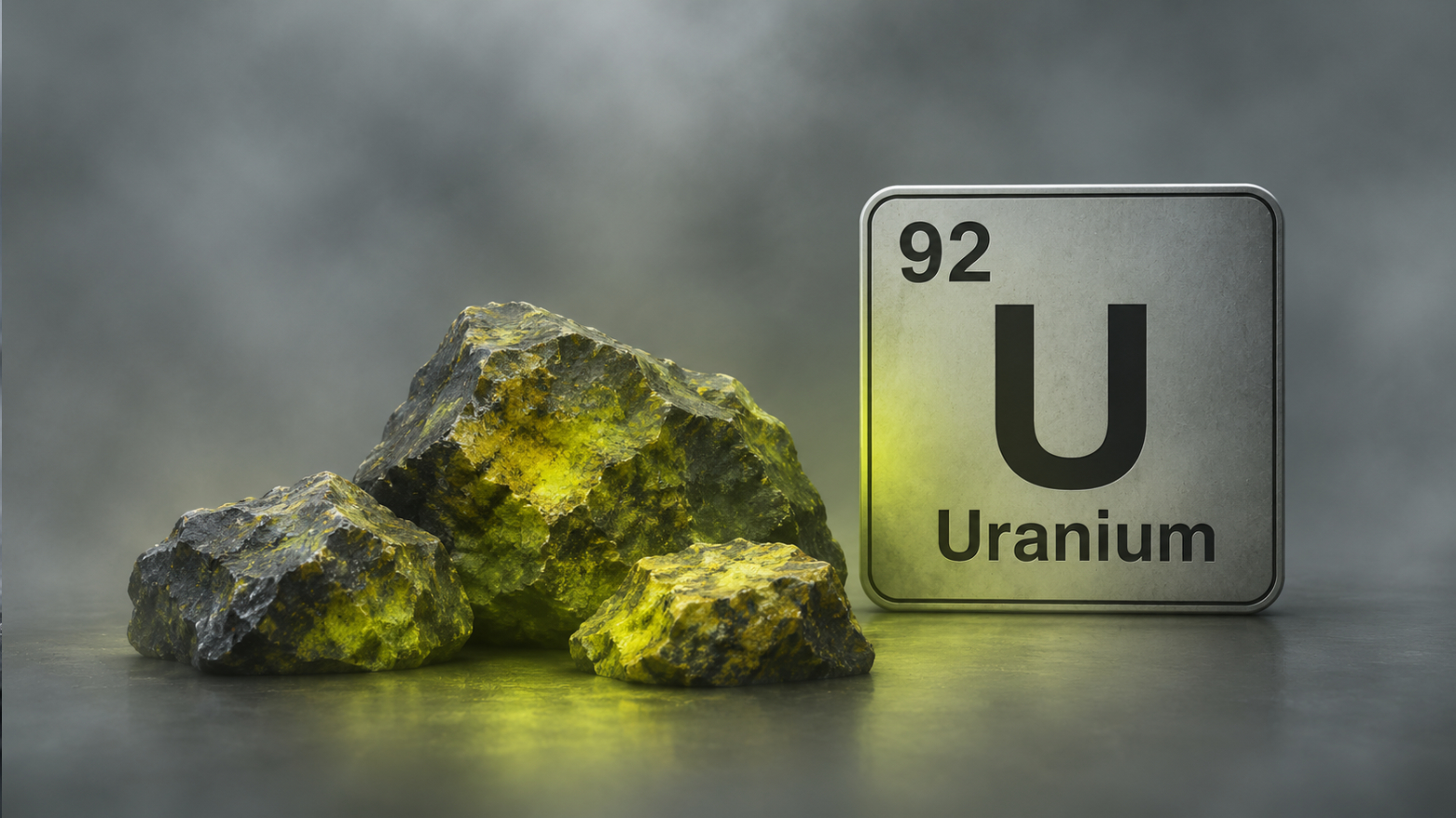
ERBIL (Kurdistan24) - A Baghdad court has sentenced six people, including one woman, to 10 years in prison for possessing and trafficking radioactive uranium with the intention of selling it, Iraq's Supreme Judicial Council announced on Monday.
The ruling, issued by the Central Criminal Court in Baghdad, concerns what the council described as highly dangerous radioactive material. Its media office disclosed the sentences in a statement dated Nov. 23, 2026.
The council said the defendants had possessed and trafficked the uranium for commercial purposes. The statement did not specify the quantity of material involved, where it had been obtained or whether any sale had been completed.
The court applied Article 27/Second/B of Law No. 1 of 2024, which governs the National Authority for Nuclear, Radiological, Chemical and Biological Control. The sentences were also based on Articles 47, 48 and 49 of Iraq's Penal Code, which address participation in criminal offenses.
The case places renewed attention on the country's control of radioactive substances as Iraqi authorities describe efforts to strengthen monitoring and emergency preparedness against nuclear and radiological threats.
On Nov. 5, Fadhil Hawi Mizban, head of the National Authority for Nuclear, Radiological, Chemical and Biological Control, said Iraq had adopted technical and preventive measures to respond to possible nuclear or radiological emergencies affecting the region.
Mizban pointed to a central emergency operations room, monitoring networks and early-warning systems deployed along Iraq's borders. He said the systems were linked to the International Atomic Energy Agency, providing an international connection for the country's monitoring arrangements.
The measures, as outlined by Mizban, focus on preparedness and early detection. The judicial statement did not indicate whether those systems played any role in identifying the uranium involved in the Baghdad case.
Radiological safety concerns have also drawn attention in Babil province. On Sept. 3, Iraqi lawmaker Hamed Mousawi called for an urgent investigation into several cases involving radiological safety and environmental contamination there.
No connection between those concerns and the six defendants was established in the court announcement.
Monday's judgment therefore marks a criminal conviction under Iraq's relatively recent nuclear and radiological control legislation, while leaving important details about the uranium and the circumstances of its trafficking undisclosed.