Oil Surges, Gold Drops After Trump Speech Signals Shift on Hormuz Security
Oil prices rose 5% to $106 while gold fell over 2% after Trump’s speech, as markets reacted to uncertainty over the future security of the Strait of Hormuz.
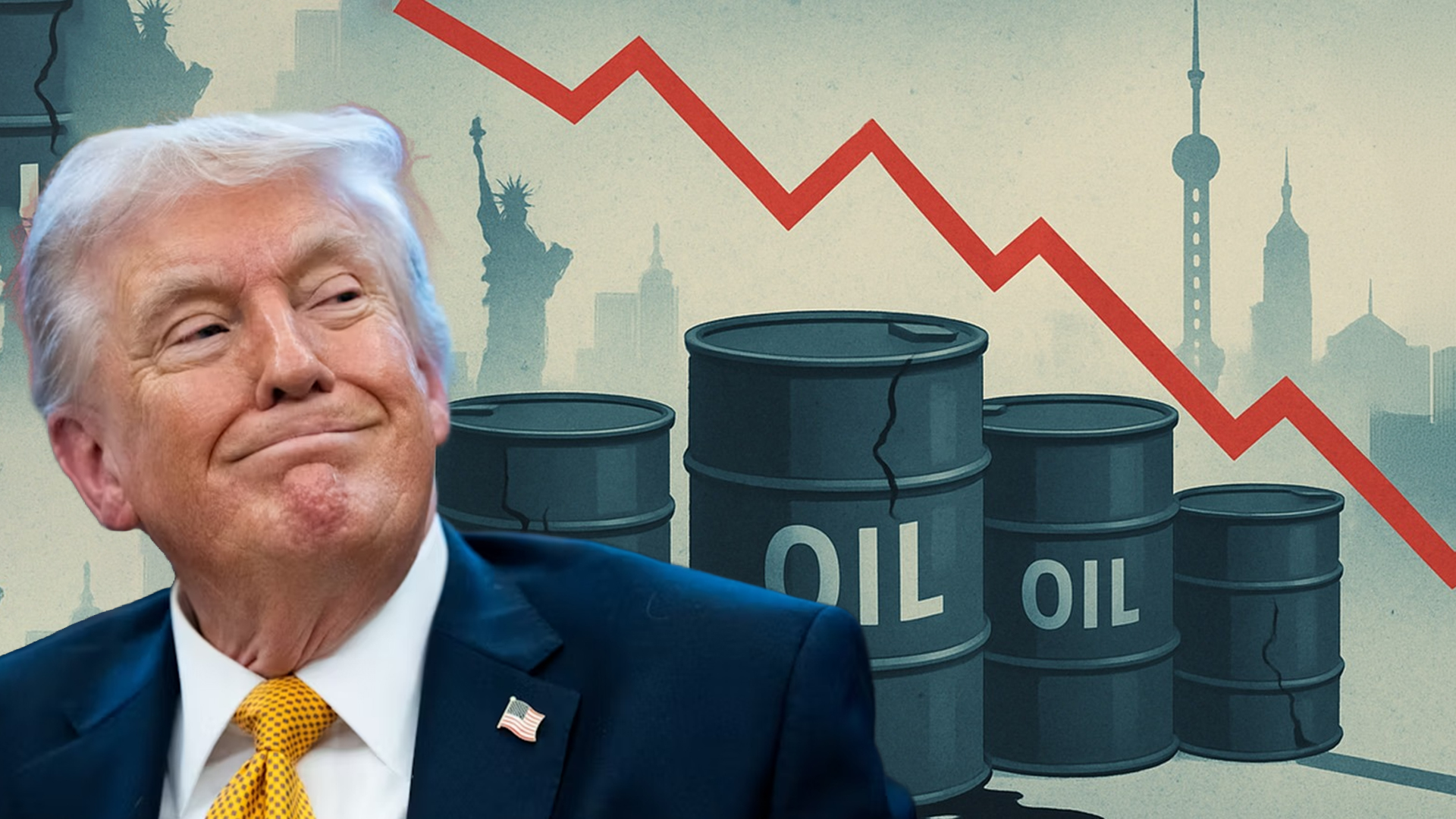
ERBIL (Kurdistan24) - Global markets reacted swiftly to US President Donald Trump’s latest address, with oil prices surging and gold declining amid renewed uncertainty over the future of maritime security in the Strait of Hormuz.
On Thursday, just hours after Trump’s speech from the White House, Brent crude prices recorded a sharp jump of 5 percent, bringing the price of a barrel to 106 dollars.
In contrast, Reuters reported that gold prices fell by more than 2 percent in fast-moving markets, reaching 4,650.23 dollars per ounce.
The market reaction followed Trump’s announcement that the war in Iran is approaching its end, combined with his call for other countries to take responsibility for securing the Strait of Hormuz.
Investors and oil traders closely monitored the remarks, particularly as Trump stated that the United States would no longer act as the primary guarantor of the strait’s security. He urged other nations to “build up some courage” and protect their own oil shipments.
These comments were interpreted as a signal that Washington may not assume sole responsibility for reopening the critical waterway, raising concerns among investors that the route could remain closed for an extended period.
The closure of the Strait of Hormuz, considered the most vital artery for global oil transportation, has disrupted the balance between supply and demand. Despite Trump’s emphasis that the United States is the world’s leading oil producer, global markets remain closely tied to supplies originating from the Middle East.
The diverging movements in oil and gold prices reflect heightened uncertainty, as markets attempt to assess the implications of shifting security responsibilities and the potential duration of disruptions in one of the world’s most strategic energy corridors.