Eurozone Inflation Climbs to 2.5% in March as Iran War Drives Energy Prices Higher
Figures from Eurostat showed that annual inflation across the 21 European Union countries using the euro climbed from 1.9% in February, before the conflict disrupted global energy supplies, particularly oil and gas shipments from the Persian Gulf.
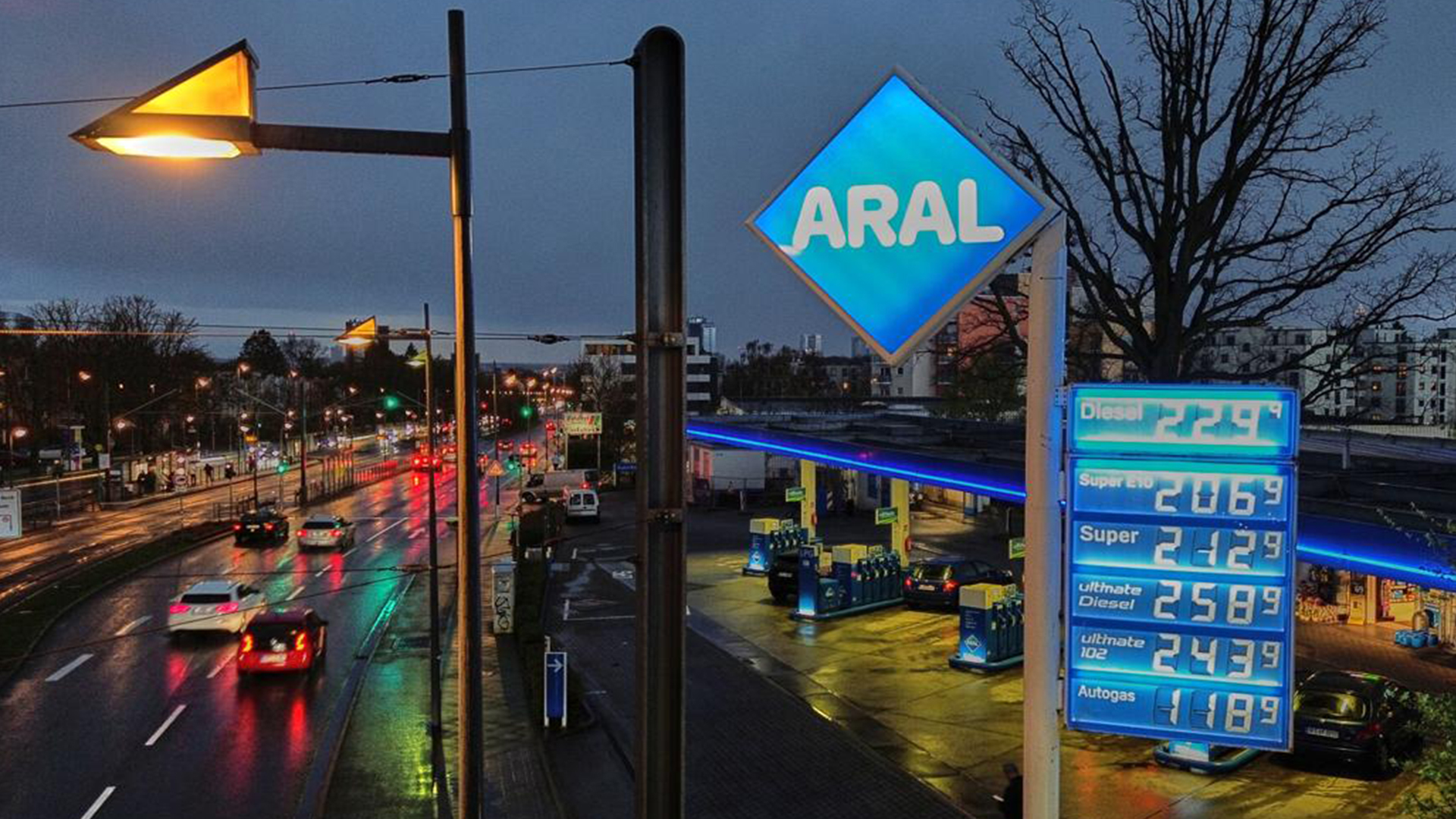
ERBIL (Kurdistan24) – Europe's inflation rate rose to 2.5% in March, driven by a sharp increase in fuel costs due to the ongoing conflict involving Iran, according to official data released Tuesday. This rise is prompting analysts to anticipate possible interest rate hikes by the European Central Bank later this year.
Figures from Eurostat showed that annual inflation across the 21 European Union countries using the euro climbed from 1.9% in February, before the conflict disrupted global energy supplies, particularly oil and gas shipments from the Persian Gulf.
Energy prices were the main driver behind the increase, jumping 4.9% in March after recording a 3.1% decline the previous month. The surge reflects the impact of supply disruptions linked to Iran’s blockade of tanker traffic through the Strait of Hormuz, a critical route that typically carries about 20% of the world’s oil and gas.
The effects are already being felt at the consumer level. At the Trionfale market in Rome, vendors reported rising costs for transporting goods. Vegetable seller Anna Caruso said higher fuel prices are pushing up the cost of produce such as zucchini, eggplant, and fruit, forcing customers to opt for cheaper items.
Another vendor, Paola Ianzi, noted that while seasonal factors play a role in price increases, the war has added pressure through rising diesel costs, which transporters must pass on to consumers.
Despite the surge in energy costs, food price inflation remained relatively moderate at 2.4%, while services—including sectors such as healthcare and personal care—rose by 3.2%.
Christine Lagarde, head of the European Central Bank, has warned that businesses may respond more quickly to rising costs during this inflationary period. Her comments reflect lingering concerns from the 2022 energy crisis, when inflation soared into double digits after Russia curtailed gas supplies to Europe.
With energy markets tightening due to ongoing disruptions, economists warn that inflationary pressures could persist in the coming months, increasing the likelihood of further monetary policy tightening by the ECB.