China Blames U.S., Israeli Strikes for Strait of Hormuz Disruption
Beijing rejects Trump’s call for nations to secure vital oil route, warns military actions are driving instability
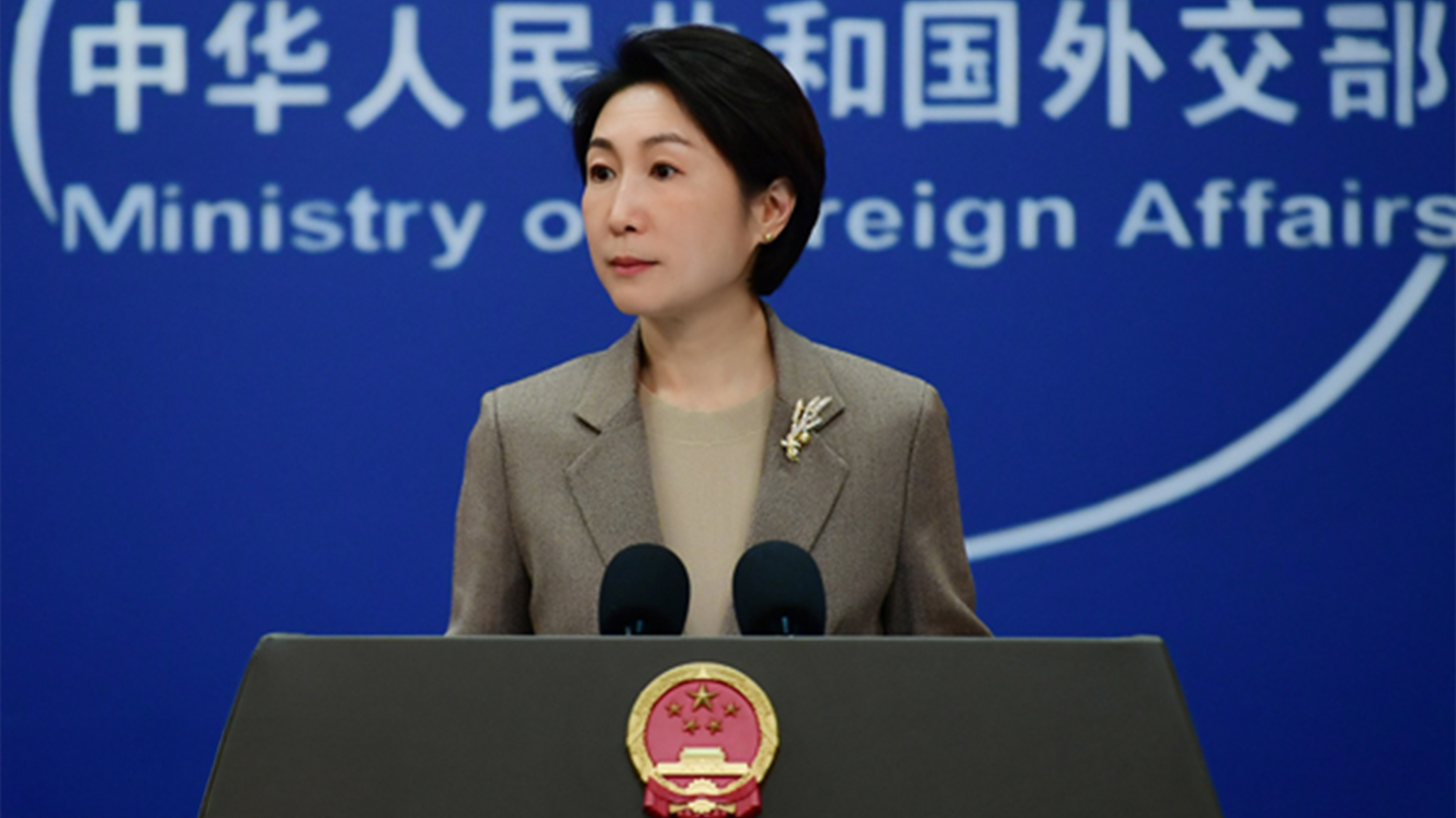
ERBIL (Kurdistan24) — China on Thursday accused the United States and Israel of being the “root cause” behind disruptions to navigation in the strategically critical Strait of Hormuz, following recent military strikes on Iran.
Speaking at a regular press briefing, Chinese Foreign Ministry spokeswoman Mao Ning said that ongoing interruptions in the vital waterway stem directly from what she described as “illegal military operations” carried out by Washington and Tel Aviv against Iran.
“The root cause of interruptions to navigation through the Strait of Hormuz is the United States and Israel's illegal military operations against Iran,” Mao stated, responding to remarks by Donald Trump.
Trump had earlier urged countries reliant on oil shipments through the narrow maritime corridor to take responsibility for securing it.
“They must take care of that passage,” he said, calling on them to “just take it, protect it, use it for yourselves.”
The exchange underscores deepening geopolitical tensions surrounding the Strait of Hormuz, a chokepoint through which roughly one-fifth of the world’s oil supply passes.
Any disruption to shipping in the Strait has immediate implications for global energy markets, driving price volatility and raising concerns over supply security.
The waterway, located between Iran and Oman, has long been a flashpoint in regional conflicts. Iran has repeatedly threatened to restrict or close the Strait in response to external military pressure, particularly during periods of heightened confrontation with the United States.
In past crises, Iranian forces and allied groups have targeted or seized commercial vessels, while Western navies have increased patrols to safeguard maritime traffic.
China, one of the world’s largest importers of crude oil and a major recipient of shipments passing through the strait, has consistently called for de-escalation and the protection of international shipping lanes.
Beijing’s latest remarks reflect its broader position opposing unilateral military actions and emphasizing diplomatic solutions to regional disputes.
The current standoff comes amid escalating hostilities between the United States, Israel, and Iran, with repeated strikes and counter-threats raising fears that the Strait of Hormuz could once again become a central theater in a wider conflict—one with far-reaching consequences for global trade and energy stability.