Hormuz Blockade Disrupts Global Commodities Trade as Shipments Plunge
According to data from maritime intelligence firm AXSMarine, the volume of dry bulk goods transported through the strategic waterway collapsed by 83 percent in March, dropping from 7.5 million tonnes in February to just 1.3 million tonnes.
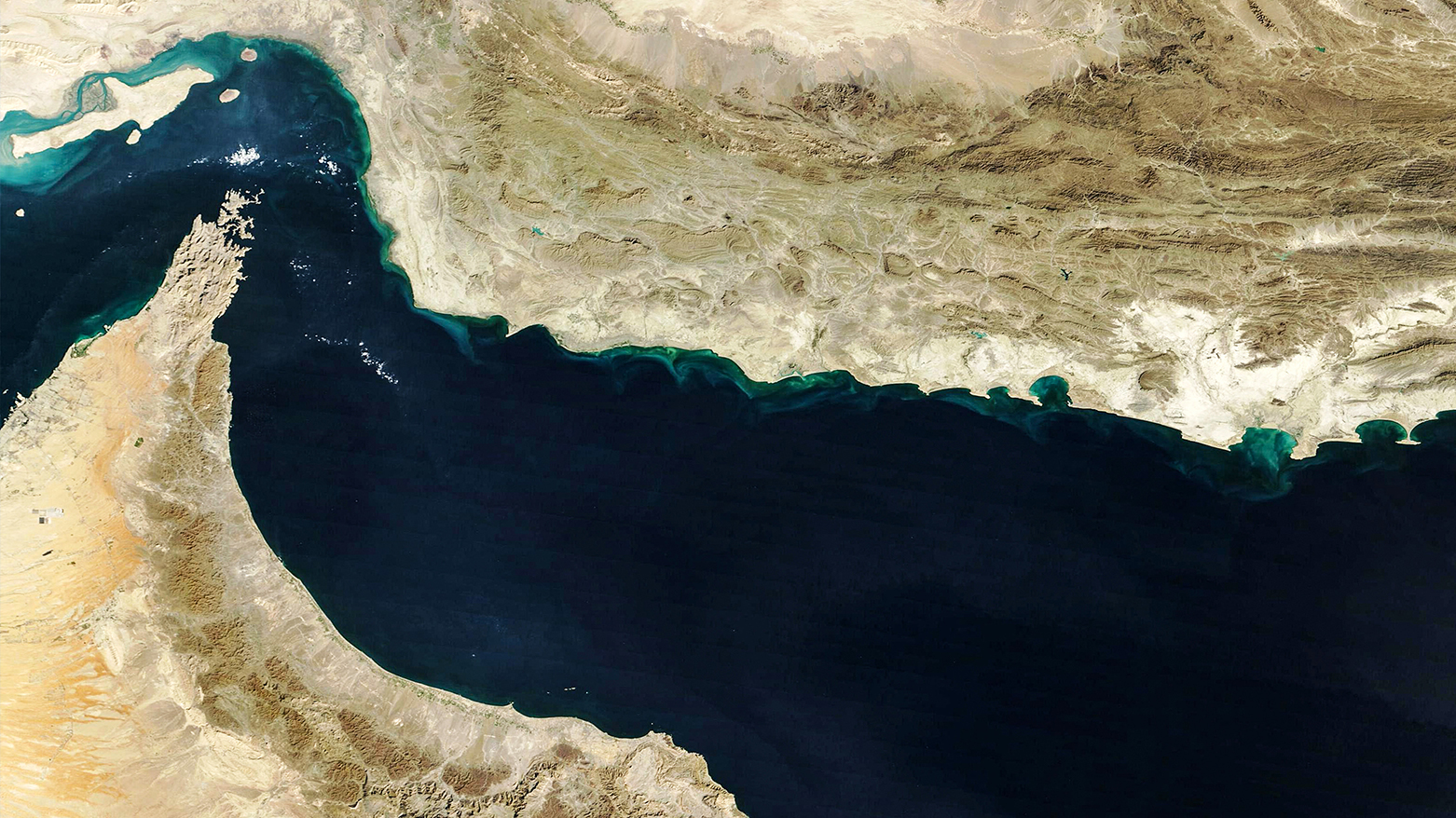
ERBIL (Kurdistan24) – The blockade of the Strait of Hormuz by Iran has severely disrupted global trade flows, cutting off not only oil and gas exports but also critical shipments of raw materials and food supplies.
According to data from maritime intelligence firm AXSMarine, the volume of dry bulk goods transported through the strategic waterway collapsed by 83 percent in March, dropping from 7.5 million tonnes in February to just 1.3 million tonnes. The sharp decline follows the escalation of conflict after U.S. and Israeli strikes on Iran on Feb. 28.
Exports of bulk commodities—including essential industrial raw materials such as limestone, sulphur, and gypsum—recorded the steepest fall. Shipments plunged by 93 percent, from nearly five million tonnes in February to only 326,000 tonnes in March, underscoring the disruption to construction, agriculture, and manufacturing supply chains worldwide.
Fertilizer exports, particularly urea, vital for global crop production, also saw a dramatic decline. Volumes passing through the strait fell by 92 percent, from over one million tonnes to just 82,000 tonnes. Key importers such as Brazil, China, India, and several African nations are expected to face supply pressures as a result.
The impact extended to metals essential for industrial production. Iron ore shipments dropped by 65 percent, from more than 530,000 tonnes to 186,000 tonnes. Steel exports suffered an even steeper contraction, falling by 93 percent—from nearly 162,000 tonnes to just 11,000 tonnes—raising concerns over global manufacturing and construction sectors.
The blockade has also disrupted food supply chains. Grain shipments entering the Gulf through the strait declined by 92 percent, from 2.3 million tonnes in February to just 196,000 tonnes in March, increasing the risk of shortages in import-dependent countries.
AXSMarine noted that a significant portion of March shipments consisted of unidentified cargo, as ongoing hostilities led to disruptions and manipulation of vessel tracking signals in the area.
The Strait of Hormuz, one of the world’s most critical maritime chokepoints, handles a substantial share of global trade. The sharp contraction in cargo flows highlights the broader economic consequences of the escalating conflict, with ripple effects likely to impact supply chains, commodity prices, and food security worldwide.