U.S. Revokes Residency of Soleimani Relative as War with Iran Intensifies
Rubio orders deportation over alleged pro-regime support amid widening U.S.-Israel-Iran conflict
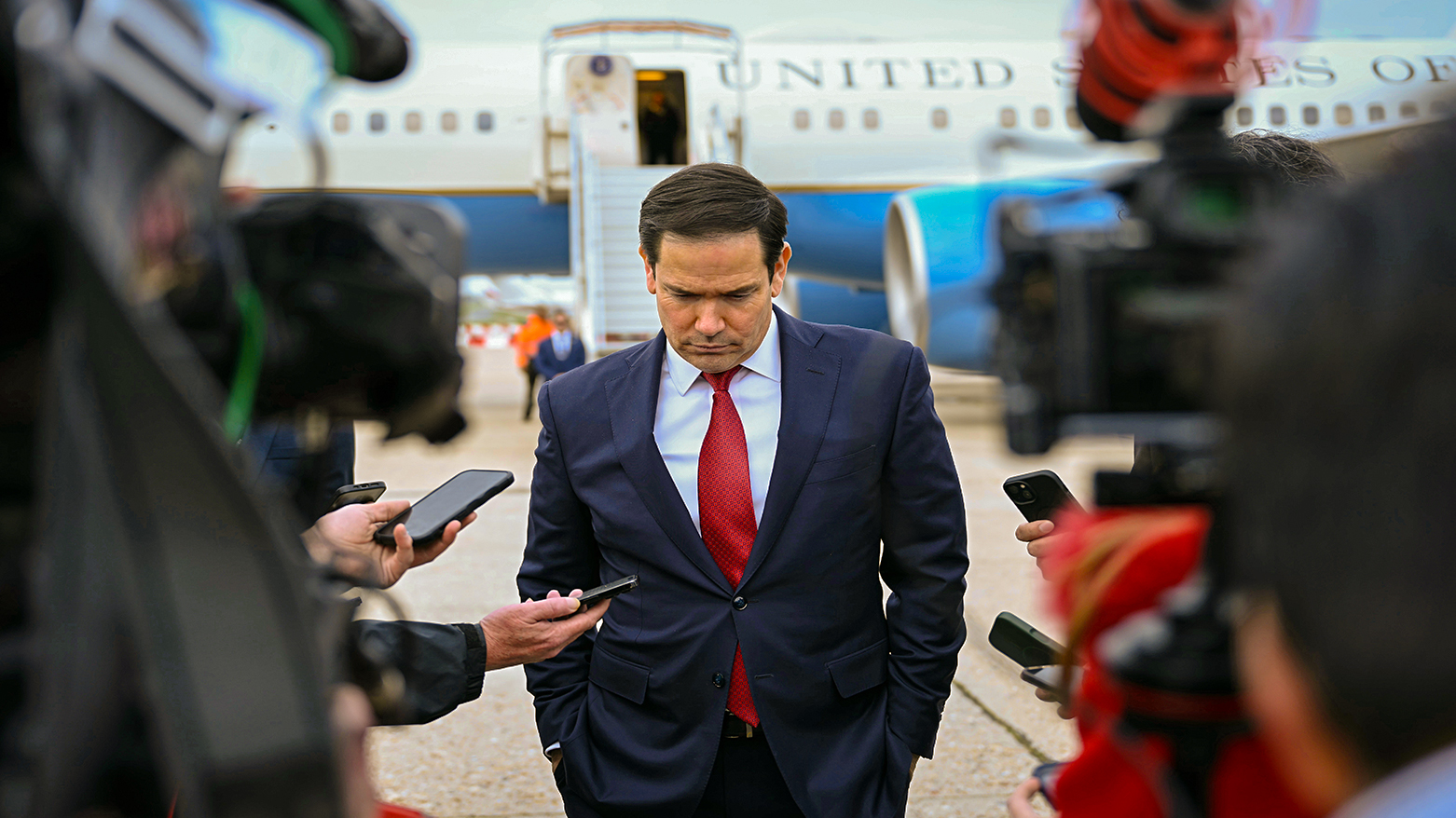
ERBIL (Kurdistan24) — U.S. Secretary of State Marco Rubio announced on Saturday the revocation of legal residency for a relative of slain Iranian commander Qasem Soleimani, citing alleged support for Iran’s government, as tensions between Washington, Israel, and Tehran continue to escalate.
In a statement posted on X, Rubio said that Hamideh Soleimani Afshar—identified as Soleimani’s niece—and her daughter had their green card status terminated and are now in the custody of U.S. Immigration and Customs Enforcement pending deportation.
He accused Afshar of promoting Iranian state narratives and expressing support for attacks against American targets, adding that the United States would not serve as a refuge for individuals aligned with what he described as “anti-American terrorist regimes.”
Until recently, Hamideh Soleimani Afshar and her daughter were green card holders living lavishly in the United States.
— Secretary Marco Rubio (@SecRubio) April 4, 2026
Afshar is the niece of deceased Iranian Major General Qasem Soleimani. She is also an outspoken supporter of the Iranian regime who celebrated attacks on…
The move was confirmed in an official media note issued by the U.S. Department of State, which detailed allegations that Afshar had used social media to praise Iran’s leadership, support the Islamic Revolutionary Guard Corps, and celebrate attacks on U.S. forces in the Middle East while residing in the United States.
Authorities said both Afshar and her daughter are currently held by ICE, while her husband has been barred from entering the country.
The State Department also revealed similar actions earlier this month against other Iranian nationals, including the daughter of former senior official Ali Larijani, as part of a broader policy targeting individuals with alleged ties to Iran’s ruling establishment.
The decision comes against the backdrop of an intensifying regional war involving the United States, Israel, and Iran, where political, military, and economic measures are increasingly intertwined.
Since late February, U.S.-Israeli coordinated strikes have targeted Iranian military and strategic infrastructure, including missile systems, drone facilities, and critical energy sites. In response, Iran has launched retaliatory attacks across the region, raising fears of a prolonged and wider conflict.
In recent days, the escalation has sharpened further, with expanded strikes on Iranian territory and heightened rhetoric from senior U.S. officials.
The conflict has also moved beyond the battlefield, encompassing financial restrictions, cyber operations, and immigration enforcement actions—such as the revocation of residency permits for individuals accused of supporting Tehran.
Analysts view these measures as part of a broader pressure campaign designed to isolate Iran not only militarily but also politically and socially, extending into diaspora communities. The targeting of high-profile individuals with familial or ideological links to Iran’s leadership underscores Washington’s effort to tighten its stance during wartime conditions.
The case also reflects the enduring legacy of Qasem Soleimani, the former commander of Iran’s Quds Force, whose killing in a 2020 U.S. drone strike marked a turning point in U.S.-Iran relations and continues to shape the current confrontation.
As the war intensifies, such domestic enforcement actions signal that the conflict’s reach now extends well beyond the Middle East, with implications for international mobility, diplomatic relations, and internal security policies in the United States.