Yazidi Girl Rescued After 11 Years in ISIS Captivity
Abduction survivor returned as efforts continue to locate thousands still missing from 2014 genocide
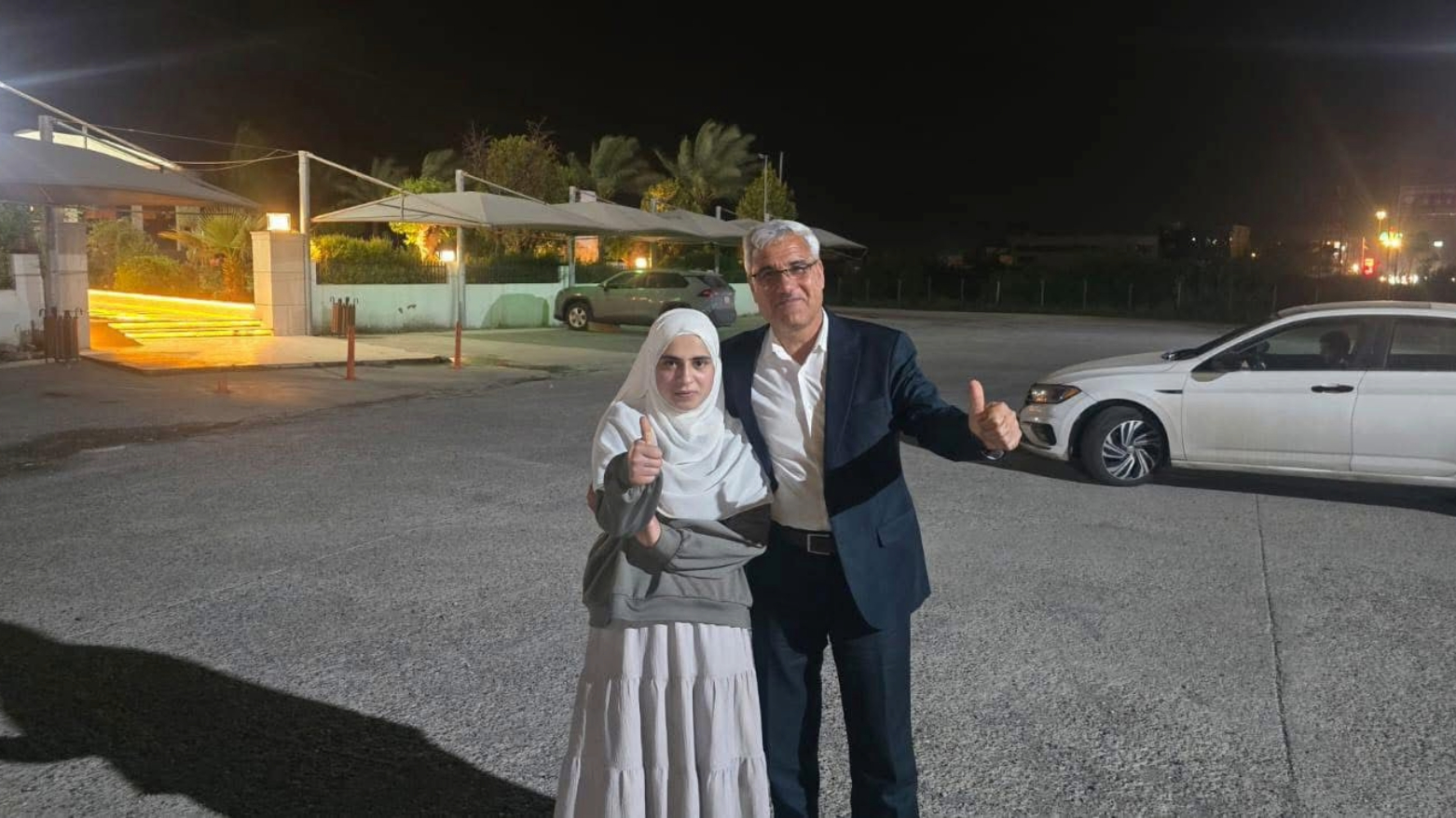
ERBIL (Kurdistan24) — The Kidnapped Yazidi Rescue Office announced on Monday the rescue of a Yazidi girl who had been held captive by ISIS for 11 years outside Iraq, Kurdistan24 correspondent Mahir Shingali reported from Duhok province.
Per Shingali, the Duhok-based office that reports to the Kurdistan Region Presidency confirmed the release of a young woman identified as Jamila Babir Hajem, originally from the Tel Qasab community in Shingal, also known as "Sinjar."
She was abducted during the ISIS attack on the region and has now been freed more than a decade later.
According to Kurdistan24 correspondent, Jamila was just seven years old at the time of her kidnapping, when she was taken along with seven members of her family during the ISIS assault. All of her family members have since been rescued in earlier operations, except for her father, whose fate remains unknown.
With her release, the total number of rescued Yazidi abductees since the beginning of the genocide has risen to 3,596, while efforts continue to determine the fate of those still missing.
Official figures from the Office for the Rescue of Kidnapped Yazidis indicate that around 6,417 Yazidi civilians were abducted during ISIS attacks on Shingal and surrounding areas in August 2014. Of those, more than 3,596 have been rescued to date, while the fate of over 2,550 individuals remains unaccounted for.
Authorities and rescue teams say search and recovery operations are ongoing in coordination with relevant institutions and volunteer efforts, intending to return survivors to their families and clarify the fate of those still missing.
The genocide carried out by ISIS against the Yazidi community in 2014 remains one of the darkest chapters in recent history, marked by mass killings, forced displacement, and the systematic abduction of thousands of civilians.
In its aftermath, the Kurdistan Region has played a central role in sheltering survivors, providing refuge to those who escaped captivity, and ensuring access to humanitarian support in camps across the region.
Over the years, it has also served as a safe haven for displaced Yazidis, while coordinating with local and international partners to document missing persons, facilitate rescue operations, and support family reunifications.
Alongside these efforts, Kurdistan Region authorities continue to work on creating conditions for voluntary and dignified returns to Sinjar and other Yazidi-populated areas, focusing on reconstruction, security, and community recovery as essential steps toward restoring normal life in their original towns and villages.