Kurdistan's 24-Hour Power System Emerges as Blueprint for Iraq Energy Reform
Iraq is considering adopting the Kurdistan Region's "Runaki" electricity project as a model for national energy reform, as Baghdad studies Erbil's 24-hour power system to address long-standing electricity shortages.
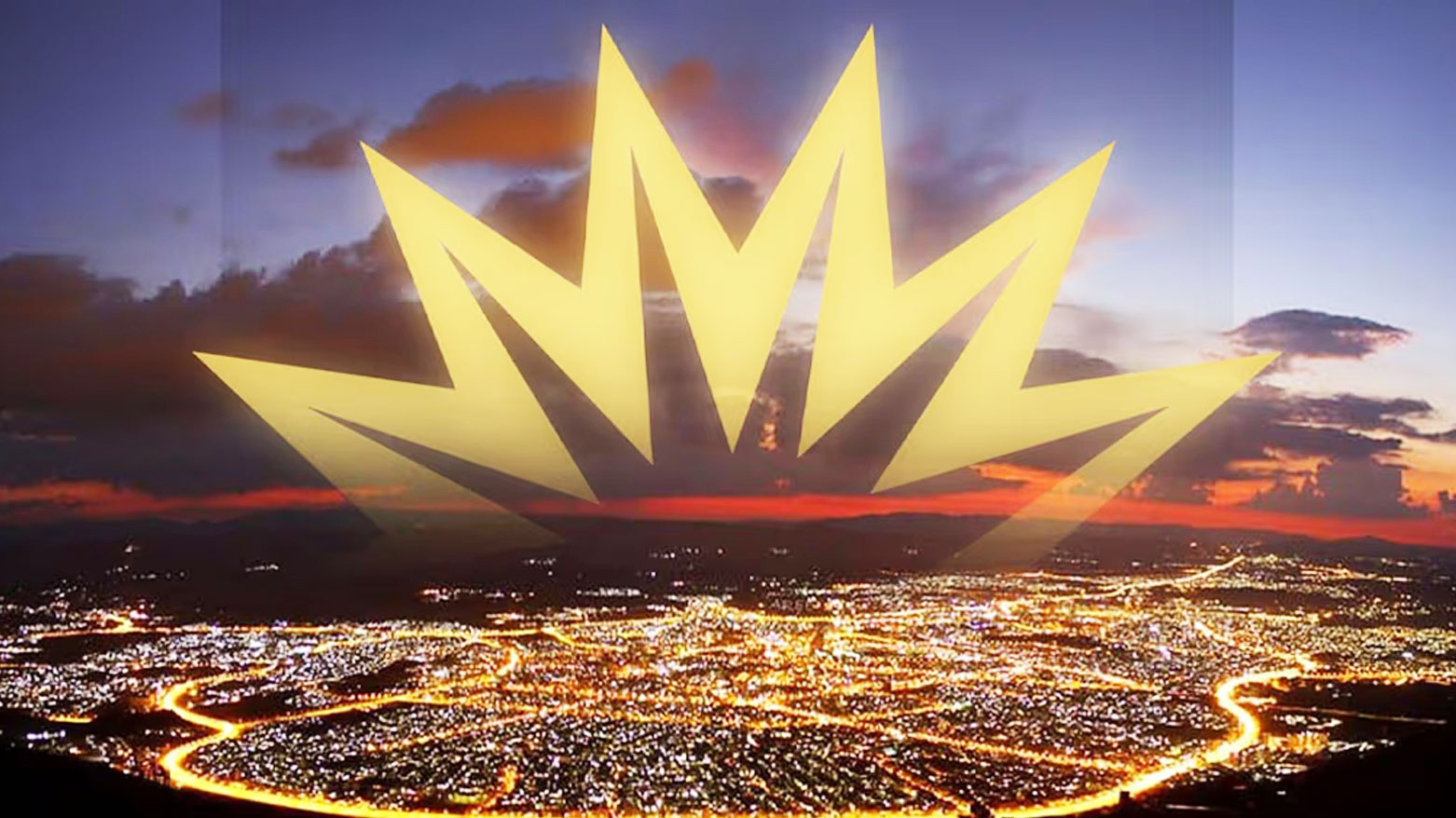
ERBIL (Kurdistan24) - Iraq is preparing to adopt the Kurdistan Region's "Runaki" (Light) electricity project as a model for federal energy reform, signaling a major policy transfer aimed at addressing the country's long-standing power crisis. The initiative, which has transitioned the Kurdistan Region toward a centralized, 24-hour supply system, is now being framed as a potential national blueprint for infrastructure modernization.
According to recent statistics from the Kurdistan Regional Government's (KRG) Ministry of Electricity on Saturday, more than 85% of the Region's population currently receives 24-hour electricity.
Approximately six million residents are benefiting from the service, and officials indicate that full regional coverage is expected to be finalized within the coming months.
A cornerstone of the Runaki model is the systematic replacement of decentralized neighborhood generators with a reliable, centralized grid.
To date, the KRG has shut down more than 5,900 generators, representing approximately 85% of those previously operating. The government's strategic plan aims to decommission a total of more than 7,000 units by the end of 2026.
Beyond improving service reliability, the project has delivered substantial environmental benefits.
The Ministry of Electricity reports that the reduction in generator reliance has prevented the emission of more than 1.1 million tons of carbon dioxide (CO2) annually.
This environmental shift is a key interest for Baghdad as Iraq seeks to meet international climate commitments while stabilizing its energy sector.
The financial structure of the Runaki project also includes significant consumer incentives to facilitate the transition. Based on a decision by the KRG Council of Ministers, new residential subscribers receive tiered discounts of 50%, 25%, and 15% on their bills during the first three months of service.
These measures are intended to support citizens as they transition to the modernized tariff system.
Digitalization plays a pivotal role in the reform model.
The "e-Psule" (electronic billing) project, launched by Prime Minister Masrour Barzani on February 10, has revolutionized the billing and payment process. The system aims to enhance transparency and efficiency through a unified digital framework.
The e-Psule platform has received formal approval from the Central Bank of Iraq (CBI), ensuring its integration into the broader federal financial landscape.
Reflecting the system's early impact, the Ministry of Electricity recently announced the return of 3.2 billion dinars in discounts to residential subscribers for their March bills.
This specific reimbursement was part of a 20% discount incentive for users who settled their payments through the e-Psule platform.
For Baghdad, the potential adoption of the Runaki experience represents more than just a technological upgrade; it offers a comprehensive institutional reform package.
By integrating e-Psule, modernized infrastructure, and environmental safeguards, the project provides a tested alternative to the fragmented electricity management systems that have historically plagued Iraq's federal governorates.
As federal energy officials study the Erbil model, the emphasis remains on the scalability of the Runaki project.
If implemented successfully across other Iraqi provinces, the model could lead to the first sustainable, nationwide 24-hour electricity service in decades, bridging the infrastructure gap between the Kurdistan Region and the rest of the country.