Kidney Patients in Iraq's Wasit Province Battle Severe Medicine Shortages
In Iraq's Wasit Province, kidney patients are enduring a severe healthcare crisis. Crippling medicine shortages in public hospitals and exorbitant private healthcare costs are leaving vulnerable individuals trapped, prompting growing calls for urgent government intervention and sustainable solutions
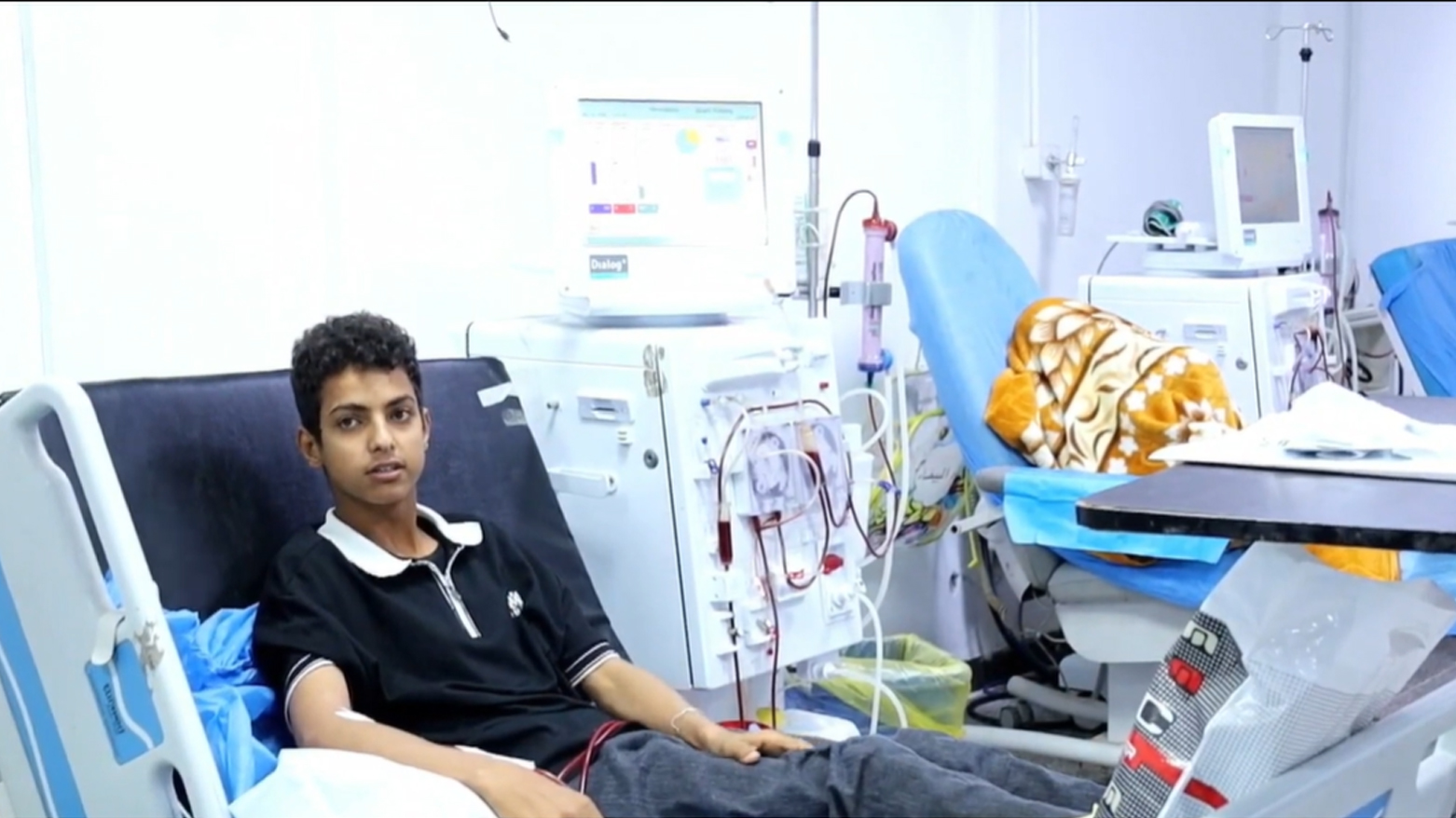
ERBIL (Kurdistan24) - In the southern Iraqi province of Wasit, individuals suffering from kidney disease are fighting a desperate, daily battle for survival. Caught between skyrocketing private healthcare costs and chronic medication shortages within public hospitals, vulnerable patients face a relentless physical and financial toll.
Each week, patients navigate exhausted public dialysis wards and private pharmacies, searching for life-saving drugs that routinely vanish from public shelves.
When available in the private market, the costs are often prohibitive, forcing families to drain their savings to manage a disease that demands uninterrupted care.
When Public Care Falls Short
The burden is heavily felt by those relying on public infrastructure for diagnostic accuracy.
Um Abdullah, a local kidney patient, described the heavy financial strain of seeking reliable medical care.
"The prices of medicine are incredibly high; there's nothing affordable," she told Kurdistan24. "Every time I see a doctor, I have to pay 75,000 dinars just for tests."
She noted that perceived disparities in medical testing frequently drive patients to expensive private laboratories.
"One day I did a test here [in a public hospital] and my urea level was 200; when I went to a private lab, it was actually 120," she explained. "All of these tests are at our own expense."
Patients Caught Between Illness and Expense
For chronic patients, consistent access to specialized medication is non-negotiable. However, public facilities often provide only basic relief.
Hazim Ali, another Wasit resident, expressed deep frustration over out-of-pocket expenses for vital treatments.
"I buy a single subcutaneous injection for 20,000 dinars," Ali said. "My blood is depleted of calcium and iron, yet here they just give me Alpha-Calcidiol and painkillers. We are sick and we need proper treatment."
He emphasized the crippling economic reality for working-class citizens managing long-term illnesses.
"Even if you have a salary, when a single injection costs 20,000, what is left of your pay? You need multiple injections every month, how can anyone afford this?" he said.
Dialysis Centers Under Pressure
Wasit's public dialysis centers remain the primary lifeline for hundreds of residents, but they are operating at maximum capacity.
Dr. Mujtaba Zuhair, Director of the Wasit Central Hospital for Dialysis, outlined the immense logistical strain on local health facilities.
"We perform 130 dialysis procedures daily at Al-Zahra Hospital, totaling approximately 3,500 cases per month," Dr. Zuhair stated.
The center also handles complex procedures, including kidney biopsies, temporary and permanent catheter placements, and specialized follow-ups for acute renal failure and kidney transplant patients.
Despite these efforts, growing patient numbers and limited medical resources make providing comprehensive care increasingly difficult.
Growing Calls for Action
The crisis in Wasit underscores a broader challenge within Iraq's healthcare system, where the irregular supply of specialized medical goods deeply impacts those managing chronic diseases.
Without reliable public access to dialysis supplies and targeted therapies, patients risk severe, life-threatening complications.
Trapped between an unforgiving private market and under-resourced public institutions, Wasit's kidney patients are amplifying their appeals.
Families and medical professionals are urging the Iraqi government and the Ministry of Health to ensure a stable, subsidized supply of medicines and equipment, a vital step toward building a sustainable healthcare framework for the country's most vulnerable citizens.