Trump Says Iran Agreed to Forgo Nuclear Weapons as Reports Indicate Tougher U.S. Peace Proposal
Negotiations remain fraught despite ceasefire, with disagreements over sanctions relief, the Strait of Hormuz, and regional security issues
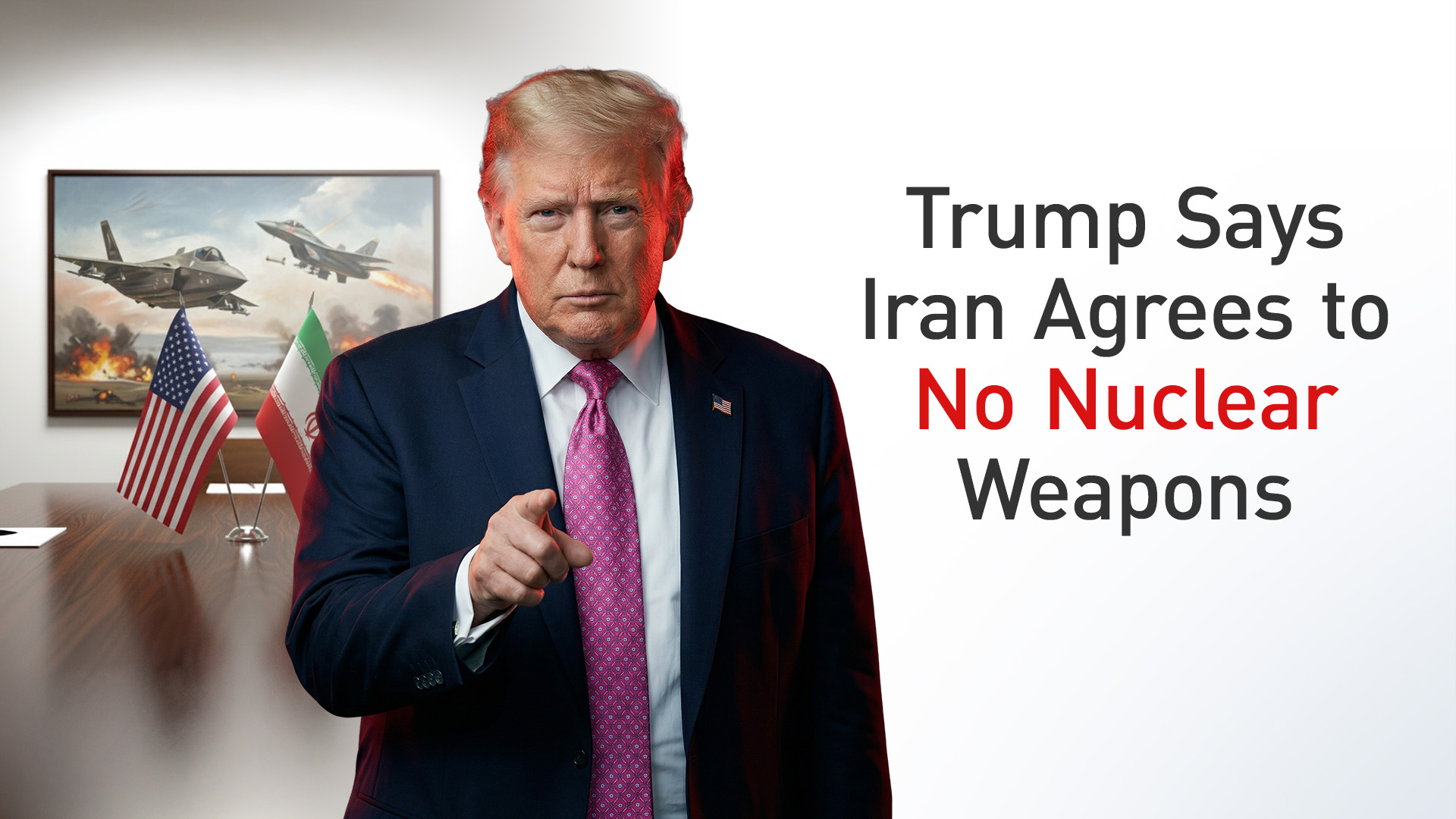
ERBIL (Kurdistan24) — U.S. President Donald Trump said he has received assurances from Iran that it will not develop nuclear weapons, while reports emerged over the weekend indicating that Washington has returned a revised peace proposal to Tehran containing tougher conditions amid ongoing efforts to formally end the Middle East conflict.
The remarks come as negotiators continue to work toward a comprehensive agreement that would solidify a fragile ceasefire, reopen the strategically vital Strait of Hormuz to international shipping, and address longstanding disputes over Iran's nuclear activities.
According to reports by the New York Times and Axios on Saturday, Trump sent a revised framework back to Iranian officials for consideration. The reports described the proposal as containing more stringent terms, although specific details of the changes were not immediately disclosed.
Speaking during an interview with his daughter-in-law, Lara Trump, on her Fox News program Saturday evening, Trump reiterated that preventing Iran from acquiring nuclear weapons remains his foremost objective.
"The one guarantee that I have to have is that there will be no nuclear weapons. They've agreed to that, and it was very interesting," Trump said.
The U.S. president has also consistently emphasized reopening the Strait of Hormuz, a critical maritime corridor through which a significant portion of the world's oil supplies transit.
Despite Trump's optimism, Iranian officials have repeatedly cast doubt on several of his public assertions, highlighting the considerable gaps that remain between the two sides.
Tehran has maintained that it requires access to approximately $12 billion in frozen assets before engaging in substantive negotiations concerning its nuclear program. Iranian officials have also rejected earlier suggestions from Trump that the country's stockpile of enriched uranium would be eliminated under any agreement, describing such claims as "baseless," according to Iranian media reports.
Complicating negotiations further, Iran has insisted that Lebanon be included in any broader settlement to end regional hostilities. The demand comes amid continuing clashes in Lebanon, where Beirut has accused Israel of pursuing a "scorched-earth policy" during military operations targeting the Iran-backed Hezbollah movement.
Although Trump and senior U.S. officials previously suggested that a breakthrough agreement was imminent, the president adopted a more measured tone during the Fox interview and signaled that military options remain under consideration should diplomacy fail.
"I'm in no hurry," Trump said. "Slowly but surely we're getting, I think, what we want and if we don't get what we want, we're going to end in a different way."
His comments echoed remarks made earlier Saturday by U.S. War Secretary Pete Hegseth at a defense summit in Asia, where he stated that Washington remained fully capable of resuming military operations if necessary.
While large-scale hostilities largely subsided following a temporary ceasefire reached in April and subsequent talks hosted by Pakistan, intermittent clashes have continued to threaten the diplomatic process.
Iran's state broadcaster IRIB reported that the country's Revolutionary Guards had downed a U.S. military drone allegedly preparing to enter Iranian territorial waters for what it described as hostile operations. The United States has not confirmed the incident.
Earlier this week, the most significant fighting since the ceasefire occurred when U.S. forces conducted strikes on the Iranian port city of Bandar Abbas, prompting retaliatory fire from Iran.
Nevertheless, diplomatic contacts have continued as both sides face mounting pressure to reach an agreement that would ease tensions around the Strait of Hormuz. The waterway remains central to global energy markets, and disruptions there have contributed to concerns about international oil supplies and rising energy prices.
Questions also remain over the precise terms under discussion. After Trump claimed on social media that Iran would impose "no tolls" on vessels passing through the Strait of Hormuz once restrictions were lifted, Iran's Fars news agency cited sources saying no such provision exists in the draft agreement.
Meanwhile, Iran's ISNA news agency reported Saturday that lawmaker Alireza Salimi said parliament is expected to soon approve a plan aimed at reinforcing Iran's management and sovereignty over the strategic waterway.
The latest developments underscore both the progress and persistent challenges facing negotiations. While both Washington and Tehran have expressed interest in avoiding a return to full-scale conflict, significant disagreements over sanctions relief, nuclear restrictions, regional security arrangements, and maritime access continue to complicate efforts to achieve a lasting settlement.
The Strait of Hormuz is one of the world's most strategically important maritime chokepoints, linking the Gulf to international waters through the Gulf of Oman. Roughly one-fifth of global oil consumption passes through the narrow waterway, making any disruption there a matter of international economic concern.
Over the past several months, escalating tensions between the United States and Iran, coupled with military exchanges and competing restrictions on maritime traffic, have heightened fears of supply disruptions and volatility in global energy markets.
Diplomatic efforts led by regional and international actors have sought to secure a broader settlement that would restore freedom of navigation, reduce the risk of renewed conflict, and address concerns surrounding Iran's nuclear program and regional influence.