Trump Says Iran Deal Will Be “A Wall to No Nuclear Weapon,” Claims Strait of Hormuz Will Reopen After Signing
U.S. president signals imminent agreement with Tehran, while Iran and mediators urge caution over timing amid ongoing tensions in the Strait of Hormuz
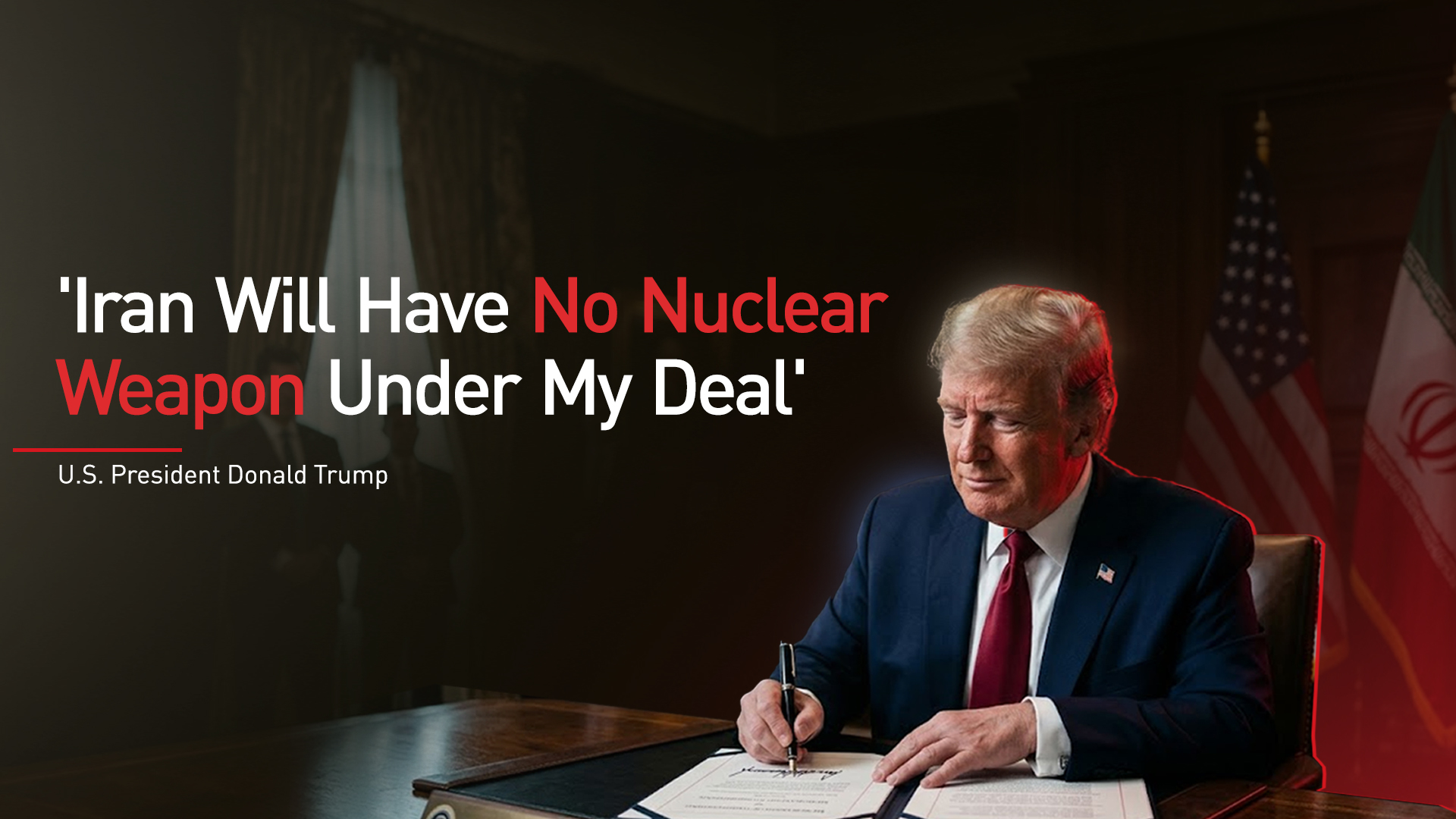
ERBIL (Kurdistan24) — US President Donald Trump said on Saturday that a new agreement with Iran is close to completion and would serve as “a wall to no nuclear weapon,” claiming the deal would eliminate Tehran’s pathway to nuclear arms and immediately reopen the Strait of Hormuz to global shipping.
Writing on his Truth Social platform, Trump sharply contrasted his approach with the 2015 Joint Comprehensive Plan of Action (JCPOA), describing the Obama-era agreement as “an easy, beautiful, smooth road to a Nuclear Weapon.”
He argued that his own framework represents the “exact opposite,” insisting that Iran would no longer be able to acquire nuclear weapons “through purchase, development, or any other form of procurement.”
Trump further claimed the agreement was scheduled to be signed imminently and would reshape regional security dynamics, including what he described as the immediate reopening of the Strait of Hormuz “to all” following its signing.
He added that the United States would pursue the removal and neutralization of Iran’s nuclear capabilities at a later stage, referencing advanced military assets as part of what he called a long-term containment strategy.
Despite Trump’s assertions, Iranian officials struck a more cautious tone. Iran’s Foreign Ministry said earlier on Saturday that no final signing was expected on Sunday, with spokesman Esmaeil Baqaei stating that the timing remained uncertain, although an agreement in principle could still be reached in the coming days.
“The possibility of this happening in the coming days cannot be ruled out,” Baqaei said, according to state media, reflecting ongoing negotiations facilitated by regional mediators.
Pakistan’s Prime Minister Shehbaz Sharif, who has played a mediating role between Washington and Tehran, said earlier in the day that a peace deal was “likely” to be finalized within 24 hours.
He added that preparations were underway for an electronic signing of the agreement, followed by technical-level talks aimed at implementing its terms.
“We are closer to a peace deal than ever before,” Sharif said in a post on the social media platform X, expressing confidence that the agreement would lay the foundation for “lasting peace.”
His comments came as diplomatic momentum appeared to build after weeks of stalled negotiations. Both Washington and Tehran have recently signaled cautious progress toward an initial memorandum of understanding, though key issues remain unresolved.
At the same time, tensions persisted on the ground. The United States reported that it had downed multiple Iranian drones targeting commercial vessels in the Strait of Hormuz early Saturday, underscoring the fragility of the situation even as diplomatic efforts advance.
Iranian Foreign Minister Abbas Araghchi, speaking via state media, also warned that no final understanding could yet be confirmed, stressing that agreement would only be declared once all outstanding issues were fully resolved.
The latest developments follow months of fluctuating escalation and de-escalation between the two sides, with regional actors, including Pakistan, intensifying diplomatic efforts to prevent further conflict and secure a framework for broader stability in the Gulf.