Bessent Presents Trump With Five Options to Crush Iran's Economy, With China as the Most Dangerous Target
Fortune reveals the Treasury Secretary's unprecedented economic pressure menu, ranging from targeting Chinese banks to dismantling Iran's shadow fleet, as Washington shifts from military strikes to financial warfare
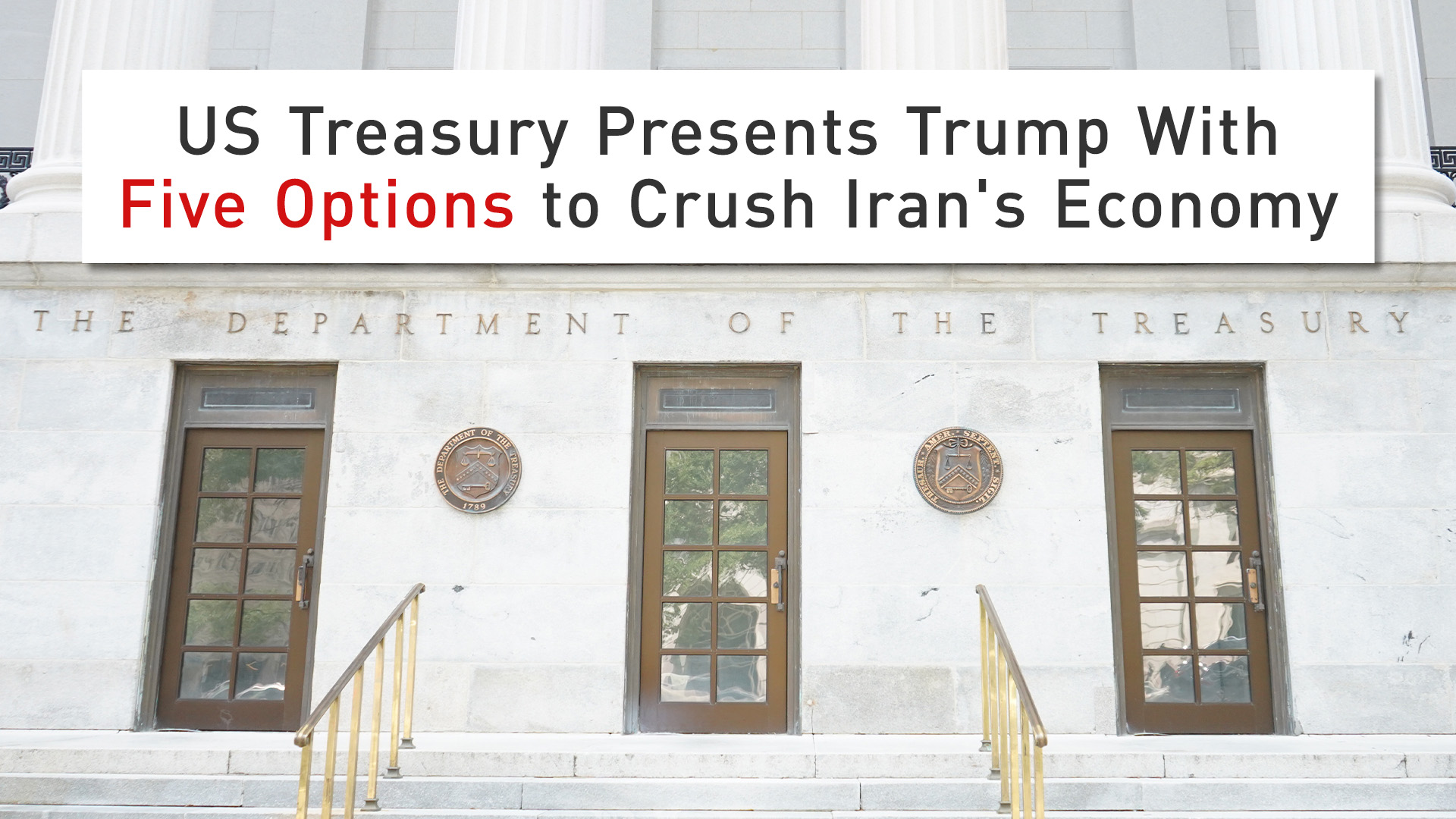
ERBIL (Kurdistan 24) - US Treasury Secretary Scott Bessent has presented President Donald Trump with five options for escalating economic pressure on Iran to levels never previously attempted, with the most consequential and dangerous option targeting the major Chinese banks that finance the purchase of more than 90 percent of Iran's oil exports, according to a major report published on Friday, August 15, 2026, primarily by Fortune magazine and corroborated by Bloomberg and Treasury Department expectations.
The disclosure of the five-option menu arrives as Bessent warned on Thursday, August 13, 2026, that Washington is preparing to announce unprecedented economic measures against Iran next week, describing the forthcoming actions as economic isolation "the world has never seen before." Fortune's reporting reveals for the first time the specific architecture of what that isolation could look like in practice.
Option One: Targeting China's Major Banks
The most explosive option on Bessent's menu, and the one Fortune describes as the most severe and dangerous, involves targeting the major Chinese banks that finance Iran's oil trade. China currently purchases more than 90 percent of Iran's oil exports, making Chinese financial institutions the central pillar of Tehran's surviving revenue stream. Washington has so far sanctioned only a handful of small Chinese "teapot refineries," deliberately stopping short of the major banks that process the payments for this trade.
Escalating to the major Chinese banks would force Beijing into a confrontation with Washington at a moment when both governments are managing a delicate relationship that includes anticipated Trump-Xi Jinping talks. The option carries an additional risk: cheap Iranian oil would exit the global market as Chinese buyers retreat, potentially pushing global oil prices sharply higher, a consequence that would hit American consumers at the pump at a moment when gas prices are already a central political vulnerability for the administration heading into the midterm elections.
Option Two: Exchange Houses and Financial Hubs
The second option targets financial intermediaries, particularly exchange houses in countries such as the United Arab Emirates, that help Iran convert oil revenues, often received in Chinese yuan, into usable currency. Iran has already built alternative channels to bypass the formal financial system, making this option more a tightening of existing pressure than a fresh shock. Nevertheless, sanctioning the UAE-based exchange houses handling Iranian transactions would place Emirati financial institutions in direct legal jeopardy and test the limits of Washington's Gulf partnerships at a sensitive diplomatic moment.
Option Three: Secondary Sanctions on Iran's Trading Partners
The third option applies secondary sanctions against foreign entities that continue doing business with Iran, forcing them to choose between trade with Tehran and access to the American financial system. This is the same strategy Washington deployed against North Korea in 2017, and it produced significant compliance from third-country firms that could not afford to lose dollar-clearing access. Applied to Iran, the same logic would pressure companies across Asia, Europe, and the Middle East that have maintained commercial relationships with Iranian counterparts despite existing sanctions.
Option Four: Seizing Iran's External Assets
The fourth option involves seizing Iranian government assets within US legal jurisdiction. The practical impact of this option is constrained by the reality that most Iranian sovereign assets accessible to American legal process have already been frozen or seized across previous rounds of maximum pressure, leaving relatively limited additional value to be captured through this mechanism. Nevertheless, any additional asset seizures would carry significant symbolic weight and provide a concrete funding mechanism for compensation of American victims of Iranian-sponsored attacks.
Option Five: Expanding the Shadow Fleet Campaign
The fifth option expands Washington's targeting of the vessels and support infrastructure that facilitate the delivery of Iranian oil to buyers, operating beyond the reach of the formal shipping industry. The shadow fleet, composed of aging tankers operating without standard insurance, tracking systems, or flag state oversight, has been the primary mechanism through which Iranian oil reached Chinese buyers throughout the conflict. Expanding the targeting of these vessels and their logistical support networks, beyond the naval blockade already in place, would further constrict the physical channels through which Iranian crude moves to market.
The Hierarchy of Risk
Fortune's reporting is explicit that the five options are not equal in their consequences. Option one, targeting China's major banks, is described as the most powerful and most dangerous, carrying the potential to rupture strategic relations with Beijing, disrupt global energy markets, and produce domestic economic consequences in the United States that would complicate the administration's midterm political position. Options two through five represent progressively more targeted and legally established forms of pressure that carry lower geopolitical risk but also lower potential impact on Iran's core revenue base.
The choice Trump ultimately makes from Bessent's menu will define the character of the economic phase of the conflict, determining whether Washington applies surgical pressure on Iran's financial periphery or reaches directly for the Chinese banking system that sits at the heart of Tehran's economic survival.