North Korea Rejects Denuclearization Calls, Says Nuclear Status Is ‘Irreversible’
Pyongyang says its nuclear arsenal is essential for deterrence and regional stability as the U.S., Japan, and South Korea reaffirm their commitment to denuclearization
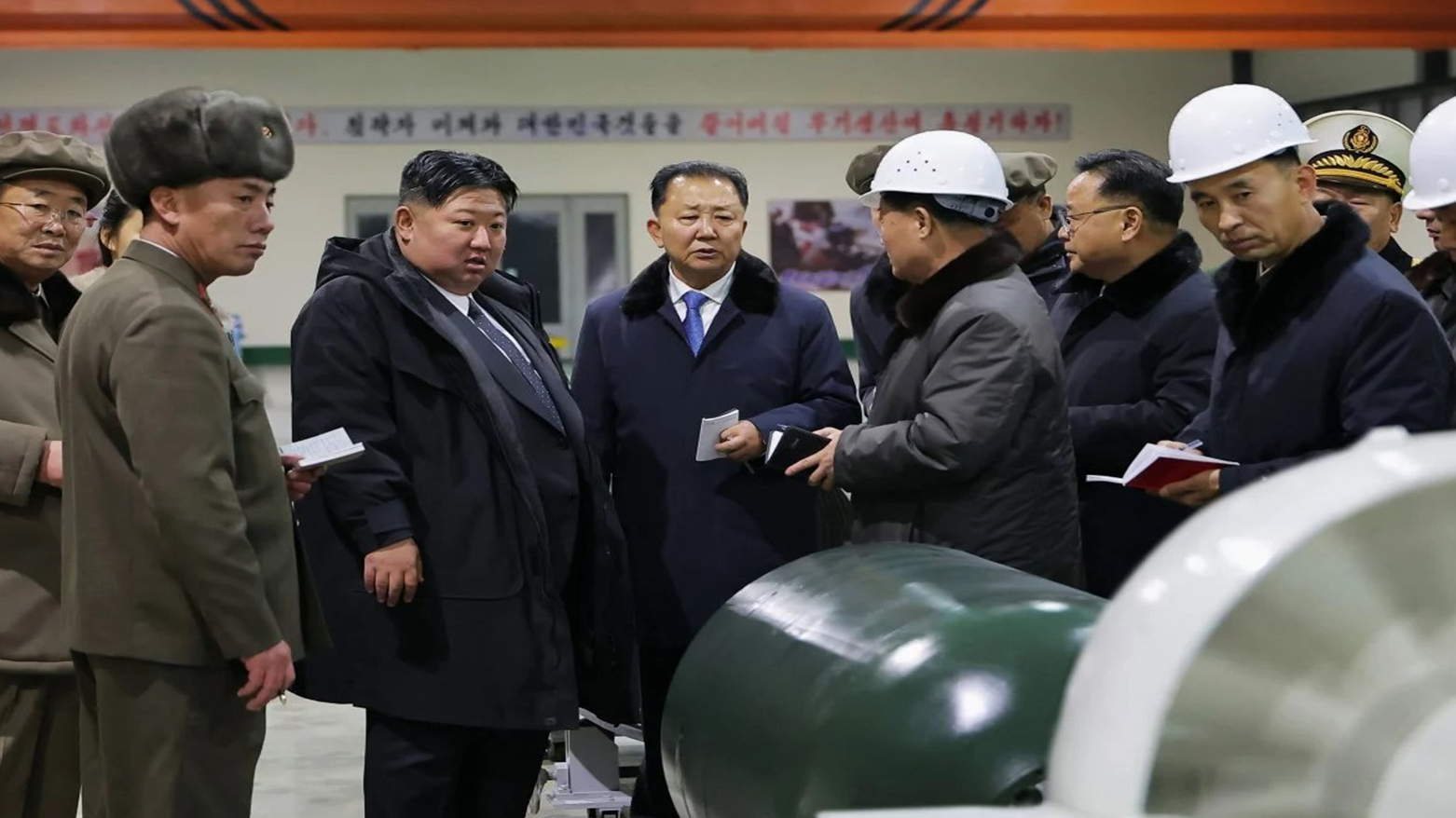
ERBIL (Kurdistan24) — North Korea on Sunday declared that its status as a nuclear weapons state is “irreversible,” dismissing renewed calls from the United States and its regional allies for the denuclearization of the Korean Peninsula.
The statement, published by North Korea’s official state news agency, came days after senior officials from the United States, Japan, and South Korea met in Tokyo and reiterated their commitment to the “complete denuclearization of the Korean Peninsula,” according to South Korea’s Foreign Ministry.
Responding to the trilateral declaration, an unnamed North Korean Foreign Ministry spokesperson said Washington and its allies would never be able to alter Pyongyang’s position.
“The U.S. and its vassal forces' meaningless rhetoric against the DPRK can never affect the irreversible position of the DPRK as a nuclear weapons state,” the spokesperson said, using the acronym for the country’s official name, the Democratic People’s Republic of Korea.
The official further asserted that “denuclearization” is an issue that has already been settled, describing it as “an irreversibly finalized matter.”
North Korea has consistently maintained that its nuclear weapons program is essential for national defense and deterrence against what it perceives as hostile policies by the United States and its allies.
The latest statement echoed that position, portraying the country's nuclear arsenal as a safeguard for peace and stability in the region.
The spokesperson cited U.S. arms sales and military cooperation with South Korea and Japan as justification for Pyongyang’s continued nuclear development, calling the weapons program “a strong security guarantee for regional stability and peace.”
“No matter how hard the U.S., Japan, and the ROK may quibble, they will never change the present position of the DPRK as a nuclear weapons state,” the statement added, referring to South Korea by the acronym of its official name, the Republic of Korea.
The remarks reinforce a position increasingly emphasized by North Korean leaders in recent years. Earlier this month, Kim Yo Jong, the influential sister of North Korean leader Kim Jong Un, described the country's nuclear policy as a “line of no retreat,” signaling that Pyongyang has no intention of negotiating away its nuclear capabilities.
North Korea has significantly accelerated its weapons programs since diplomatic negotiations with Washington collapsed in 2019. Hopes for a breakthrough faded after a summit between Kim Jong Un and then-U.S. President Donald Trump in Hanoi ended without an agreement over sanctions relief and denuclearization measures.
In an apparent reference to those failed talks, the North Korean spokesperson said that “no one can recover the ‘denuclearization’ permanently missed in the trend of the times,” suggesting that Pyongyang considers the prospect of denuclearization negotiations effectively closed.
The statement also comes amid shifting geopolitical dynamics in Northeast Asia. Kim recently hosted Chinese President Xi Jinping in Pyongyang following the Chinese leader’s separate meetings in Beijing with U.S. President Donald Trump and Russian President Vladimir Putin.
Notably, official media reports from both North Korea and China made no mention of denuclearization during Xi’s visit, underscoring Pyongyang’s increasingly firm stance that its nuclear status is no longer open for negotiation.
North Korea conducted its first nuclear test in 2006 and has since carried out multiple nuclear and ballistic missile tests despite international sanctions.
While the United States and its allies continue to advocate denuclearization as a long-term objective, analysts increasingly view the gap between Pyongyang’s position and that of Washington and Seoul as one of the most significant obstacles to any future diplomatic breakthrough.