US, Iran Announce Landmark Deal to End Regional War, Reopen Strait of Hormuz
Agreement to be signed in Switzerland as questions remain over Tehran's nuclear program and sanctions relief
ERBIL (Kurdistan24) — The United States and Iran announced on Sunday that they had reached a sweeping agreement to end hostilities across multiple fronts in the Middle East, including in Lebanon, and reopen the strategically vital Strait of Hormuz, marking what could become one of the most significant diplomatic breakthroughs in the region in years.
The agreement, which Washington and Islamabad said is expected to be formally signed on Friday in Switzerland, follows months of conflict that have claimed thousands of lives, disrupted regional stability, and rattled global energy markets.
U.S. President Donald Trump declared that the deal had been finalized, signaling an imminent end to the crisis that has affected maritime trade and oil exports through one of the world's most important shipping routes.
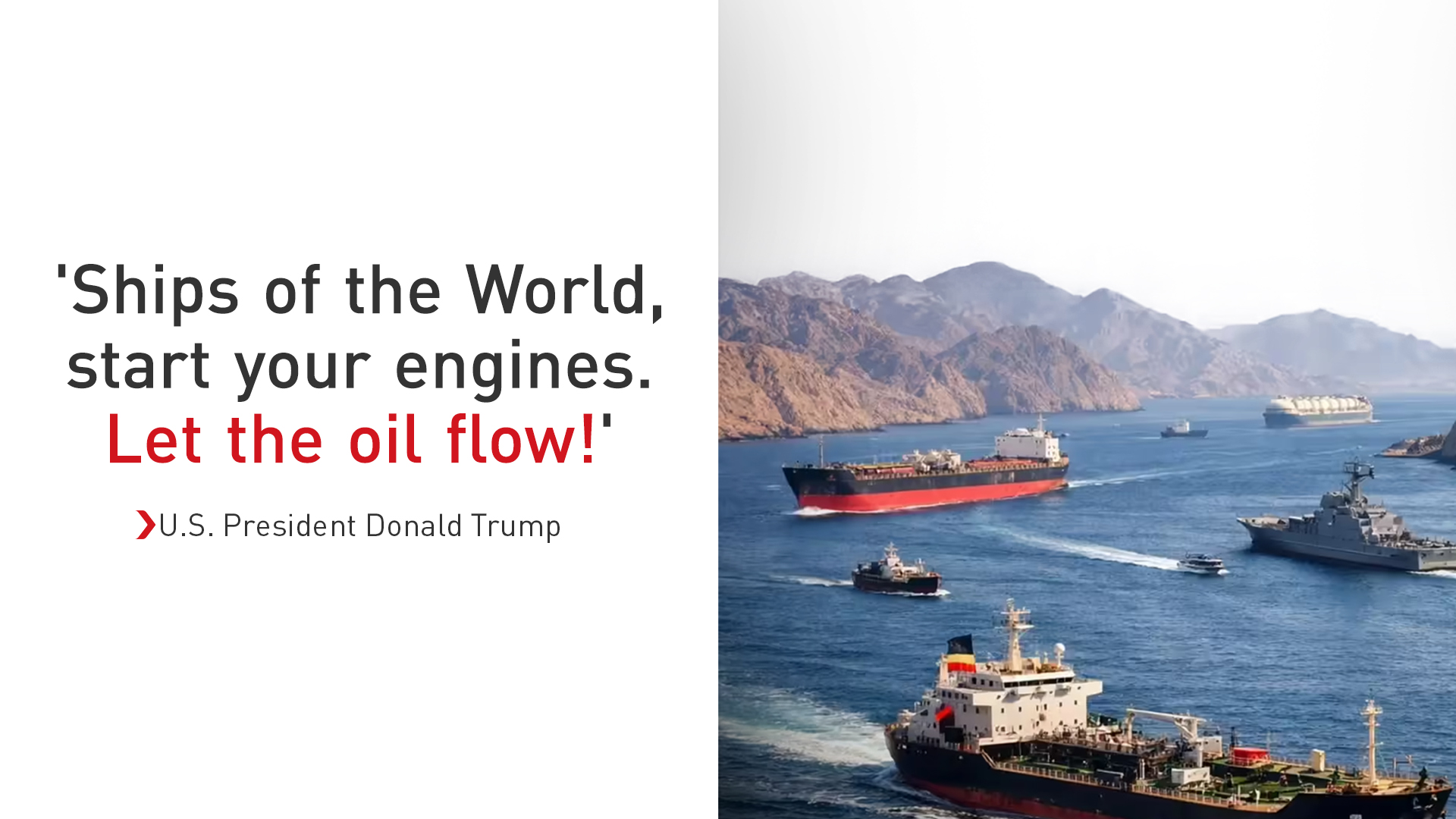
"The Deal with the Islamic Republic of Iran is now complete," Trump wrote on social media on Sunday. Referring to the Strait of Hormuz, he added: "Ships of the World, start your engines. Let the oil flow!"
Iranian Deputy Foreign Minister Kazem Gharibabadi also welcomed the agreement, saying it would bring an "immediate end" to the war between the two countries and pave the way for negotiations toward a broader settlement. He said talks aimed at reaching a final agreement would begin within two months.
Pakistani Prime Minister Shehbaz Sharif later announced that both sides had agreed to an "immediate and permanent termination of military operations on all fronts, including in Lebanon," while thanking Qatar, Saudi Arabia, and Turkey for supporting mediation efforts.
Despite the announcement, major details of the accord remain unclear. Iranian media reported that the United States would release billions of dollars in frozen Iranian assets as part of the arrangement.
According to Iran's Mehr news agency, a 14-point memorandum of understanding includes the release of $24 billion in frozen funds during a 60-day negotiation period beginning after the agreement is signed.
The Trump administration has not publicly confirmed those provisions, and uncertainty remains over one of the most contentious issues in the negotiations: Iran's nuclear program.
Speaking to The New York Times, Trump said discussions were continuing over the future of Iran's uranium enrichment activities. While Washington is reportedly seeking a 20-year suspension of enrichment, Trump suggested that a 15-year pause could also be considered, though he declined to discuss ongoing negotiations in detail.
Global Political Reactions
Leaders and international organizations across the world welcomed the agreement, expressing hope that it would help stabilize the Middle East and restore security to global trade routes.
UN Secretary-General Antonio Guterres described the peace deal as a "critical step towards the peaceful settlement of the conflict."
French President Emmanuel Macron called for the "urgent and unconditional reopening of the Strait of Hormuz," saying that France and the United Kingdom were "ready to support" the effort.
Macron also stressed that France would back "the determined efforts of the Lebanese authorities to restore the sovereignty of the State" and said any final settlement must address concerns regarding Iran's nuclear and ballistic missile programs.
British Prime Minister Keir Starmer said that "toll-free freedom of navigation must now be restored in the Strait of Hormuz" and offered British support for mine-clearance operations if needed. He reiterated London's longstanding position that "Iran must never have a nuclear weapon."
Qatar's Foreign Ministry expressed its "full support for all efforts and initiatives aimed at enhancing regional security and stability," while Turkish President Recep Tayyip Erdogan urged all parties to avoid rhetoric or actions that could undermine the agreement before its formal signing. He also warned of potential attempts to sabotage the peace process.
Japanese Prime Minister Sanae Takaichi voiced hope that "free and safe navigation through the Strait of Hormuz" would be guaranteed and that a final agreement on Iran's nuclear program and related issues could be reached as soon as possible.
Australian Prime Minister Anthony Albanese and Foreign Minister Penny Wong called for continued restraint and constructive engagement by both Washington and Tehran. In a joint statement, they stressed that Iran must address longstanding international concerns regarding its nuclear activities and their implications for global security.
New Zealand Prime Minister Chris Luxon welcomed the planned reopening of the Strait of Hormuz, saying it would help restore stable trade routes, ensure fuel supplies, and support economic activity worldwide.
Market Reactions and Global Economic Implications
Financial markets responded positively to the news. Oil prices fell sharply in Asian trading on Monday, while Japan's benchmark Nikkei index rose as investors reacted to the prospect of renewed stability in energy supplies.
The reopening of the Strait of Hormuz is expected to have major global economic implications. The waterway serves as a key transit route for a substantial share of the world's oil exports, and its closure had contributed to higher energy prices, inflationary pressures, and disruptions to international supply chains.
U.S. Vice President JD Vance said the agreement could help lower energy costs worldwide and stimulate economic growth across the Middle East. He also indicated that he plans to attend the signing ceremony in Geneva and said Trump could potentially participate as well.
Israel's Position
The breakthrough came after a tense weekend that threatened to derail negotiations. Earlier on Sunday, Trump publicly criticized Israel following an airstrike in Beirut's southern suburbs targeting Iran-backed Hezbollah, arguing that the attack had jeopardized progress toward the agreement.
In remarks to U.S. media outlet Axios, Trump expressed frustration with Israeli Prime Minister Benjamin Netanyahu over the strike, which occurred amid efforts to finalize the deal.
The Beirut attack revived concerns over the fragile regional security situation. Previous Israeli strikes in the Lebanese capital's southern suburbs had prompted Iranian retaliatory missile attacks and Israeli counterstrikes, testing ceasefire arrangements that have largely held since April.
Tehran has consistently maintained that any comprehensive agreement to halt the conflict must also address the parallel war in Lebanon, where Israel has conducted military operations against Hezbollah, one of Iran's closest regional allies.
The agreement follows months of escalating confrontation between the United States, Iran, Israel, and Iran-aligned groups across the region. Tensions intensified after attacks on shipping lanes, missile exchanges involving Iran and Israel, and clashes involving Hezbollah in Lebanon.
The Strait of Hormuz, through which roughly one-fifth of global oil consumption passes, became a focal point of the crisis as fears of disruption sent energy prices higher and raised concerns about the global economic outlook.
Diplomatic mediation led by regional and international actors has sought to prevent a wider regional war and create a framework for addressing longstanding disputes, including Iran's nuclear activities and regional security concerns.