Iraq Signals Breakthrough in Stalled Kurdistan Oil Dispute with New Tripartite Deal
"A very good tripartite agreement has emerged from these discussions to manage the oil file," Salim al-Rukabi, the spokesperson for the federal Ministry of Oil told Kurdistan24.
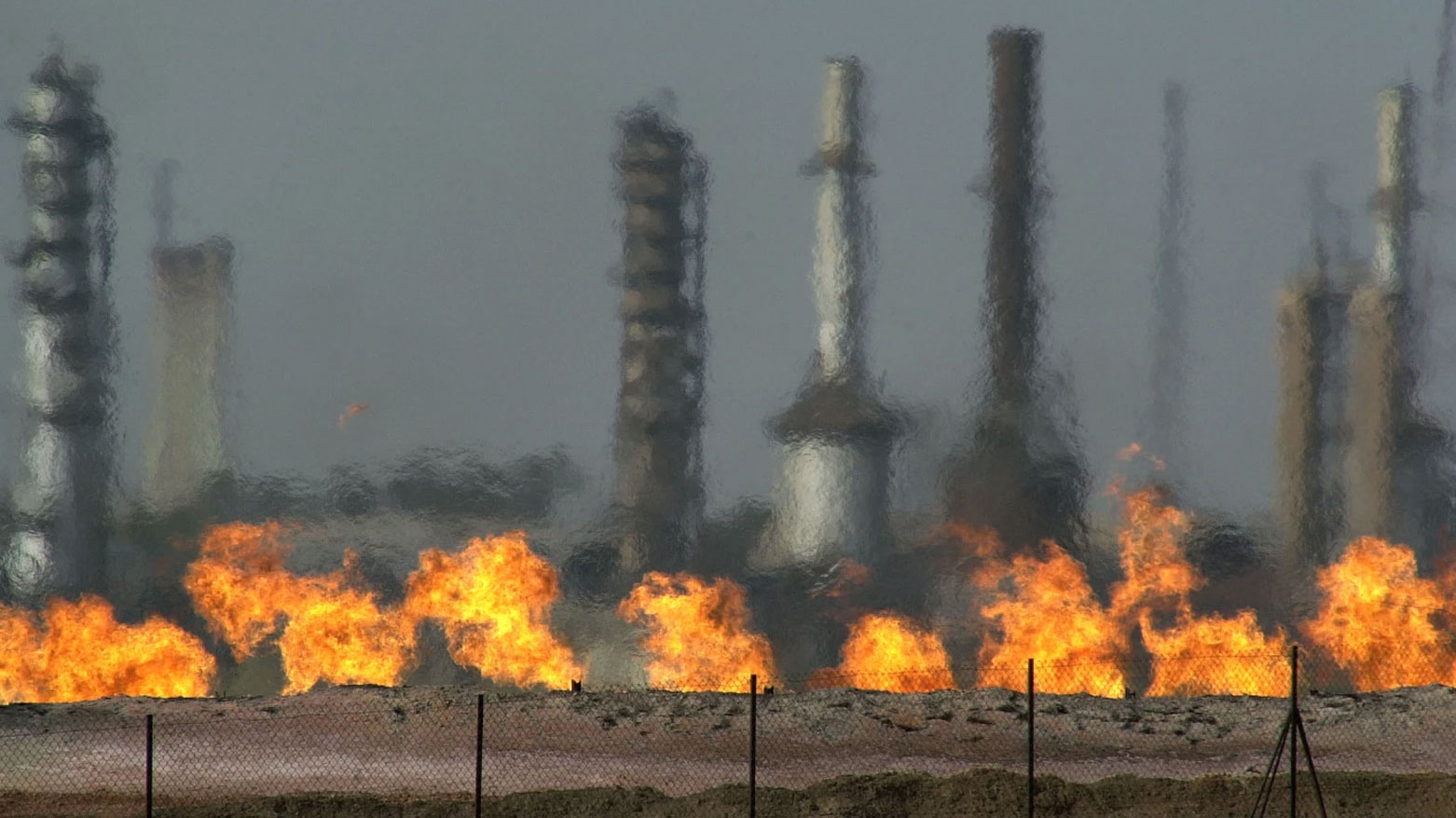
ERBIL (Kurdistan24) - The Iraqi Ministry of Oil has signaled a major breakthrough in the protracted dispute over the Kurdistan Region's energy exports, announcing a "very good" tripartite agreement intended to pave the way for a full resumption of oil flow to international markets.
Salim al-Rukabi, the spokesperson for the federal Ministry of Oil, expressed significant optimism during a statement to Kurdistan24 on Monday, noting that technical and legal hurdles that have long paralyzed the sector are finally being cleared.
The breakthrough is the result of intensive negotiations involving the Federal Ministry of Oil, the Kurdistan Regional Government's (KRG) Ministry of Natural Resources, and senior representatives from international oil companies (IOCs).
"A very good tripartite agreement has emerged from these discussions to manage the oil file," al-Rukabi stated.
He characterized the consensus as a serious and decisive step toward reactivating the export pipeline, which has been largely offline following international court rulings and budgetary disagreements between Erbil and Baghdad.
The economic stakes are high for both the federal government and the KRG.
Al-Rukabi disclosed that Iraq's current oil exports stand at approximately 200,000 barrels per day (bpd) through existing accessible channels.
However, he predicted that once the Kurdistan file is fully resolved and broader regional maritime corridors, specifically the Strait of Hormuz, are stabilized and reopened, the volume of Iraqi crude reaching the global market will see a substantial increase.
The diplomatic progress in the boardroom is being mirrored by a coordinated effort on the ground to secure energy infrastructure. As part of the preparations for the return of foreign operators, a high-level federal security delegation recently arrived in Erbil.
According to regional sources, the mission's primary objective is to finalize a joint security framework to protect oil fields and ensure a stable working environment for multinational energy firms.
By prioritizing the physical safety of the fields, Baghdad is attempting to address one of the primary concerns of the IOCs, which have faced operational uncertainty due to shifting regional security dynamics. Establishing a secure environment is seen as a prerequisite for the technical teams to resume extraction at full capacity.
The move toward reconciliation comes at a critical time for the global energy market. The prolonged suspension of Kurdish oil has added significant pressure to regional supply chains and deprived both Baghdad and Erbil of vital revenue.
Analysts suggest that a unified approach to the oil file would not only stabilize Iraq's internal fiscal situation but also bolster the country's credibility as a reliable energy partner on the world stage.
While final details regarding the commercial terms for the international oil companies, particularly regarding production costs and past debts, remain under refinement, al-Rukabi's announcement suggests that the fundamental political deadlock has been broken.
For a region that has spent the last year navigating economic austerity and administrative gridlock, the prospect of the oil being turned back on represents a vital step toward long-term recovery and stability.
|
Summary Iraq's Oil Ministry has announced a "very good" tripartite agreement with the KRG and international oil firms to resume Kurdistan's oil exports. As a federal security team coordinates field protection in Erbil, officials anticipate a major surge in output following the deal's finalization. |