Ghalibaf to attend Switzerland signing as Lebanon front remains volatile ahead of post-deal nuclear talks
Iran and U.S. move toward formal signing of war-end deal in Switzerland as Ghalibaf, JD Vance expected to attend, with follow-up nuclear talks and key regional issues still unresolved
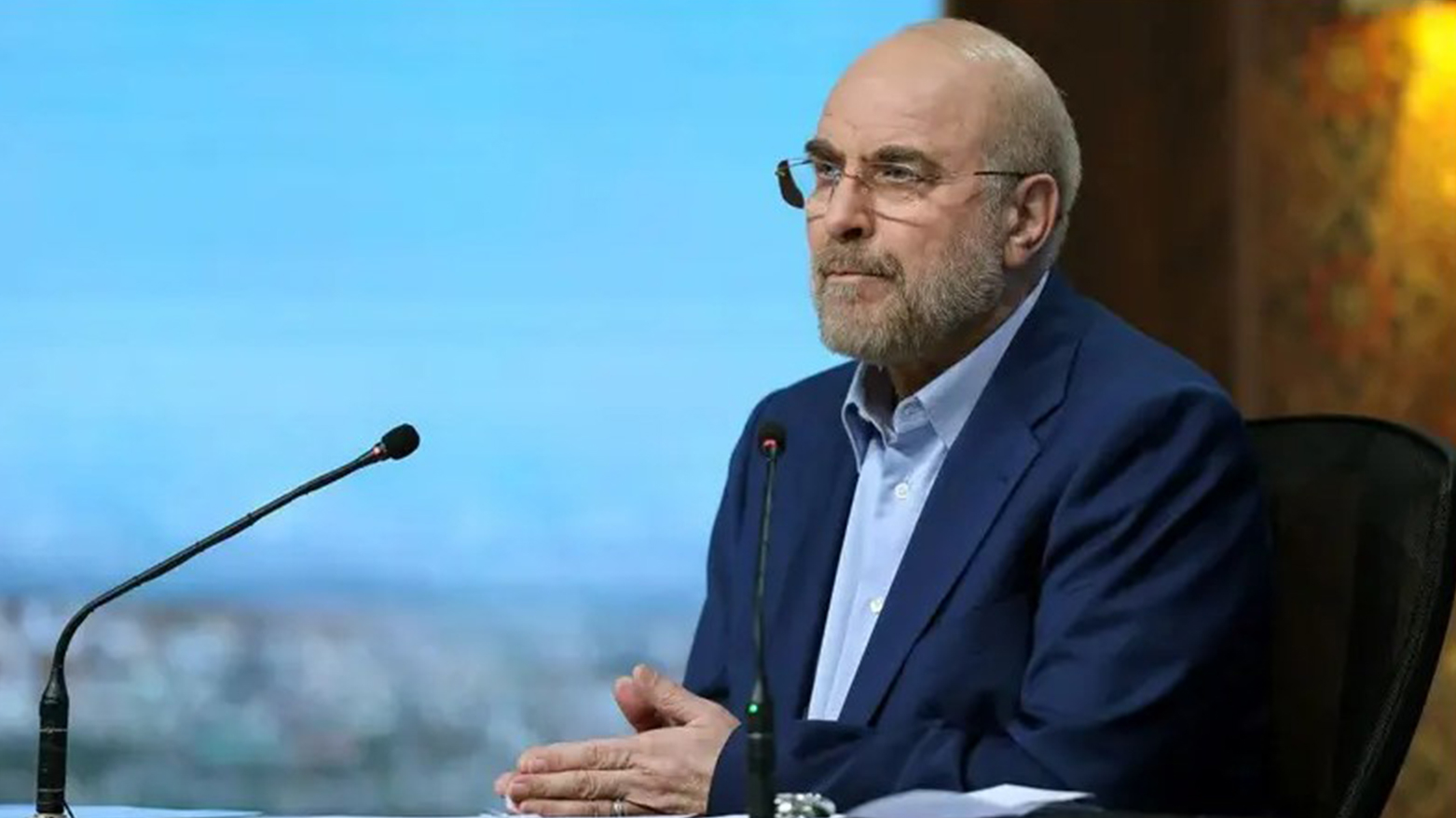
ERBIL (Kurdistan24) — Iran’s top negotiator Mohammad Bagher Ghalibaf is expected to attend the formal signing of the agreement ending the war with the United States in Switzerland, an Iranian deputy foreign minister said on Tuesday, as both sides prepare to launch a new phase of negotiations on a broader settlement.
Deputy Foreign Minister Majid Takht-Ravanchi said the signing ceremony will take place in Switzerland, although the exact venue has not yet been finalized. He added that the next round of Iran–U.S. talks will begin immediately after the signing.
According to the official, U.S. Vice President JD Vance will represent Washington at the ceremony, while Ghalibaf will attend on behalf of Tehran.
Iran’s Foreign Minister Abbas Araghchi said on Tuesday that ending the war across all fronts, including Lebanon, remains the central component of the emerging agreement between Iran and the United States, describing it as “the most important issue” in the memorandum.
Speaking during a briefing with foreign diplomats broadcast on state television, Araghchi said the agreement effectively involves two opposing sides: “America and Israel” on one side, and “Iran and Hezbollah” on the other.
He stressed that the deal’s core provision is the “immediate and permanent end of the war on all fronts, including Lebanon,” adding that the Lebanese theater is “inseparable” from the broader cessation of hostilities.
Araghchi also warned that any continued Israeli military presence in Lebanon would be viewed as a violation of the agreement, insisting that a full withdrawal of Israeli forces from the occupied territories is essential for a complete end to the war.
Israeli Prime Minister Benjamin Netanyahu has said Israeli forces will remain deployed in Lebanon, Syria, and Gaza “as long as necessary,” raising questions about enforcement of the emerging deal.
The agreement, announced earlier this week, is expected to be formally signed on Friday in Switzerland. Iranian officials said the signing will be followed by immediate negotiations on a final comprehensive accord addressing Iran’s nuclear program and the lifting of sanctions.
Iranian Deputy Foreign Minister Kazem Gharibabadi said the deal brings an “immediate end” to the war, while subsequent talks will aim to finalize long-term arrangements within two months.
Iranian officials also indicated that discussions include the release of frozen Iranian assets abroad and potential compensation mechanisms, although Washington has not confirmed those terms.
U.S. officials, meanwhile, have emphasized that no American taxpayer funds will be transferred to Iran under the agreement. Washington has also signaled that future nuclear provisions may include strict limits on uranium enrichment and expanded international inspections led by the International Atomic Energy Agency (IAEA).
The announcement has already produced visible geopolitical and economic effects. Both Iranian and U.S. sources reported that commercial shipping through the Strait of Hormuz has resumed after months of disruption, with President Donald Trump saying the waterway would be “completely open” by Friday.
The partial reopening of the strategic chokepoint triggered a sharp reaction in global markets, with equities rising and oil prices falling nearly five percent as fears of prolonged disruption eased.
Iranian authorities had previously restricted maritime movement in the strait during the conflict, contributing to volatility in global energy markets and raising concerns over a broader economic shock.
Despite the agreement, significant uncertainties remain, particularly regarding Lebanon. Lebanese President Joseph Aoun welcomed the accord in a call with Araghchi, describing it as a potential step toward reducing regional tensions.
However, clashes continued in southern Lebanon, where Hezbollah said it had repelled Israeli forces attempting to advance, underscoring the fragility of the situation on the ground.
Lebanese officials have also reported renewed Israeli strikes following the announcement, while Hezbollah praised Iran for ensuring Lebanon’s inclusion in the agreement and said it remains engaged in confronting Israeli military operations.
In Tehran, officials and media figures described the agreement as a strategic achievement, while acknowledging that key elements—including nuclear verification, sanctions relief, and enforcement mechanisms—remain under negotiation.
As the signing in Switzerland approaches, the deal is being presented by both Washington and Tehran as a breakthrough toward ending months of regional conflict. Yet the persistence of fighting in Lebanon and unresolved questions over military withdrawals and nuclear limits suggest that the path to a comprehensive settlement remains uncertain.