Türkiye Rejects Extension of Kirkuk–Ceyhan Oil Pipeline Deal, Citing Arbitration Disputes
Baghdad seeks one-year renewal as key export route remains central to Iraq’s energy strategy amid regional disruptions
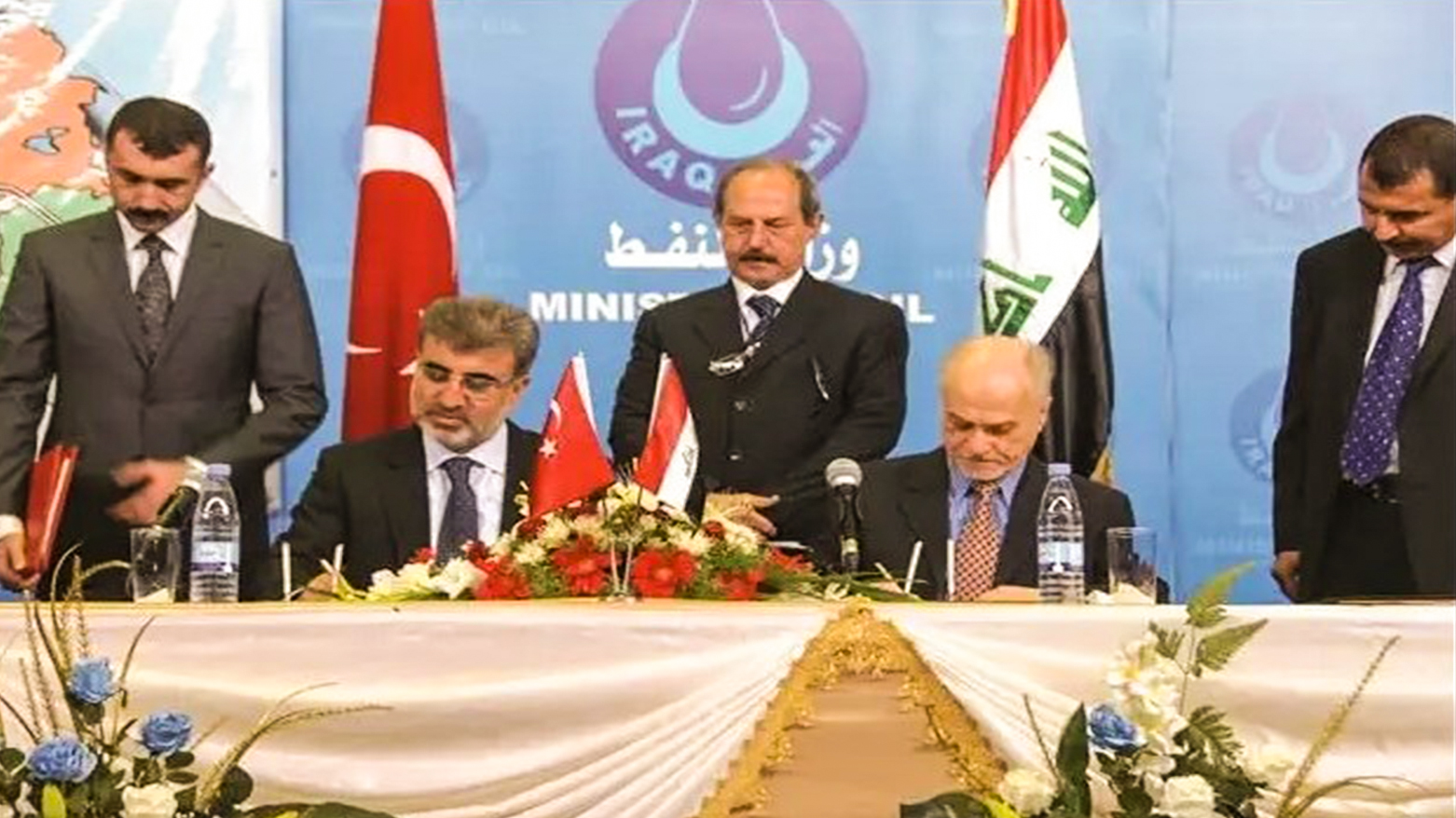
ERBIL (Kurdistan24) — Türkiye has rejected Iraq’s request to extend the existing Kirkuk–Ceyhan oil pipeline agreement under current conditions, according to a report by Reuters, published on Tuesday, signaling continued uncertainty over one of Iraq’s most important crude export routes.
A senior Turkish official said Ankara sees “no point” in prolonging the decades-old agreement while arbitration disputes between the two countries remain unresolved.
The remarks came after Baghdad formally requested a one-year extension of the pipeline deal to allow additional time for negotiations on a new framework.
The Türkiye–Iraq Crude Oil Pipeline Agreement, which governs exports through the Kirkuk–Ceyhan route, is set to expire on July 27. Talks between Baghdad and Ankara over a revised agreement are still ongoing.
“There is no point in extending an agreement that has been subject to arbitration,” the Turkish official, speaking on condition of anonymity, told Reuters.
The Ceyhan terminal on Türkiye’s Mediterranean coast remains a critical export outlet for Iraqi crude. Its importance has increased further following disruptions to alternative routes, including pressure on Iraq’s southern export infrastructure after instability in the region and earlier concerns over the Strait of Hormuz.
Türkiye last year declared the end of the existing arrangement and called for a renewed agreement under revised conditions. Ankara has proposed measures aimed at maximizing the pipeline’s utilization, including potential extensions of the line toward southern Iraq to increase throughput and efficiency.
The pipeline has been at the center of prolonged legal and commercial disputes. It was shut down for approximately two and a half years after an arbitration ruling ordered Türkiye to pay $1.5 billion in damages for unauthorized Iraqi oil exports between 2014 and 2018. Flows resumed only late last year.
A second arbitration case covering exports from 2018 onward remains ongoing, along with enforcement proceedings in a U.S. court, adding further complexity to negotiations.
Despite its designed capacity of nearly 1.5 million barrels per day, the Kirkuk–Ceyhan pipeline has been operating well below potential due to legal disputes, security concerns, and technical constraints. According to shipping data cited by Reuters, crude flows from Kirkuk to Türkiye stood at around 177,000 barrels per day in April.
For Iraq, maintaining access to northern export routes remains strategically important as it seeks to diversify oil export pathways and reduce dependence on southern terminals. For Türkiye, the outcome of the negotiations will determine both legal exposure and the future commercial structure of a key regional energy corridor.
With the current agreement nearing expiration and arbitration disputes still unresolved, the fate of the Kirkuk–Ceyhan pipeline remains uncertain, underscoring broader tensions in Iraq–Türkiye energy relations at a critical moment for regional oil markets.