Baghdad and Erbil Near Pact on Digital Customs and Revenue Sharing
Erbil and Baghdad have finalized 97% of ASYCUDA customs procedures, with final approval pending. The deal aims to unify tariffs, curb corruption, ensure joint management, and boost revenue transparency.
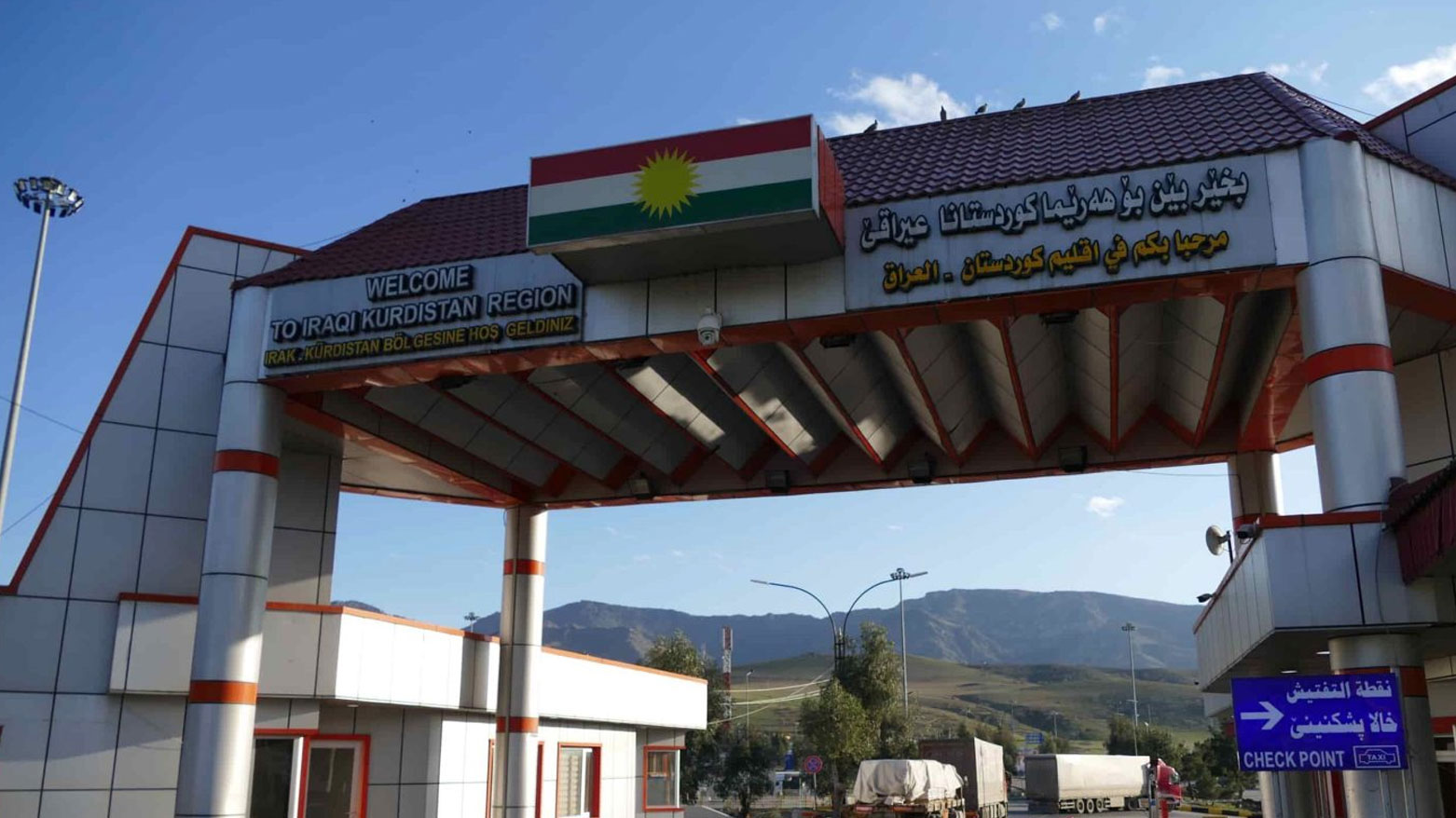
ERBIL (Kurdistan24) - After years of complex negotiations and periodic friction over border management, the Kurdistan Regional Government (KRG) and the federal government in Baghdad are on the verge of a transformative administrative breakthrough.
Dr. Sami Jalal, Advisor to the KRG Ministry of Interior, revealed over the weekend that the two sides have completed 97 percent of the procedural work required to implement the Automated System for Customs Data (ASYCUDA) across the Kurdistan Region's border crossings.
The remaining details of the agreement are currently awaiting final approval from Iraq's Ministerial Council for Economy.
If finalized, the implementation of the UN-developed digital platform will represent one of the most significant moments of economic coordination between Erbil and Baghdad since the adoption of the 2005 Iraqi Constitution.
The breakthrough comes as both governments seek to modernize trade infrastructure, curb corruption, and establish a transparent, unified economic framework capable of streamlining commerce across the entire country.
A Strategic Shift Propelled by Leadership
According to Dr. Jalal, the recent acceleration in negotiations was directly catalyzed by KRG Prime Minister Masrour Barzani's latest diplomatic visit to Baghdad. During high-level talks, the Prime Minister articulated a clear willingness to integrate the Kurdistan Region into the federal ASYCUDA network.
However, Dr. Jalal emphasized that this commitment was contingent upon a foundational principle: the new system must definitively protect the Kurdistan Region's constitutional rights, its unique legal status, and its broader economic interests.
This formula, balancing federal integration with regional sovereignty, has become the linchpin of the agreement.
The proposed framework is sweeping in its scope. Dr. Jalal explained that the initiative covers eight primary economic sectors, including investment, agriculture, industry, company registration, quality control, and customs administration.
By unifying customs tariffs across all entry points, the system is designed to eliminate bureaucratic red tape and sharply reduce opportunities for corruption.
Crucially for Erbil, it introduces safeguards against unilateral decision-making. Historically, sudden changes to federal tariff policies or import regulations have disproportionately affected Kurdish markets.
Under the new agreement, Dr. Jalal asserted that customs points will be managed jointly, ensuring that Kurdish representatives have a formalized voice in determining future tariff structures and border procedures.
"This mechanism will act as a safeguard against any decisions intended to disadvantage the Kurdistan Region," Dr. Jalal remarked.
Transparency, Revenue, and Internal Borders
The core of the ASYCUDA system, developed by the United Nations Conference on Trade and Development (UNCTAD), is its ability to digitize and automate cross-border commerce, providing real-time oversight of trade flows and revenue collection.
For Erbil and Baghdad, this transparency has profound political implications. Dr. Jalal stated that under the new framework, non-oil revenues collected at the borders will be split evenly, 50/50, between the federal and regional governments.
The digital system will provide both capitals with unassailable, shared data regarding border income, theoretically eliminating the disputes over revenue transparency that have repeatedly strained relations.
The operational benefits extend deeply into the private sector. The integration will allow Kurdish traders to obtain ASYCUDA registration codes efficiently, bypassing the prolonged bureaucratic delays that have historically plagued cross-border commerce.
Furthermore, the successful deployment of the system is expected to fundamentally alter the internal geography of Iraqi trade.
In an earlier interview with Kurdistan24, Samer Qasim, head of Iraq's General Customs Authority, confirmed the extensive coordination between Erbil and Baghdad.
Read More: KRG Delegation Heads to Baghdad for ASYCUDA Implementation Talks at Border Crossings
He noted that the four temporary customs checkpoints currently operating between the Kurdistan Region and Iraq's central and southern provinces, initially established to ensure commercial fairness, will be dismantled once ASYCUDA is fully implemented. Additionally, unofficial crossing points are expected to be permanently shuttered.
Qasim highlighted that the digitized platform will allow legitimate customs transactions to be processed within 24 hours.
Moreover, by integrating advance customs declarations with oversight from the Central Bank of Iraq, the system will serve as a critical tool in combating money laundering, terrorism financing, and the illicit outflow of hard currency.
A New Era of Economic Integration
As technical delegations finalize the remaining three percent of the procedural framework, Dr. Jalal anticipates the system could be officially operational across all border crossings within the next four months.
If successful, the implementation of ASYCUDA will mark a rare transition from political rhetoric to functional bureaucratic integration. It promises not only to lower transaction costs for businesses and stabilize the domestic market but also to demonstrate that Erbil and Baghdad can collaborate on sophisticated administrative reforms.
In a region frequently defined by political deadlock, the modernization of the customs network stands as a powerful example of how shared economic interests can ultimately bridge deep-seated institutional divides.
|
Summary Erbil and Baghdad are nearing a historic agreement, completing 97% of negotiations to implement the ASYCUDA digital customs system across Kurdistan. The breakthrough promises a 50/50 revenue split, joint border management, and the removal of internal checkpoints, modernizing Iraq's trade framework. |