Iran, US Conclude Technical Talks in Switzerland, Establish Four Working Groups
Tehran says Strait of Hormuz will remain under Iranian administration as sanctions relief and nuclear oversight discussions advance
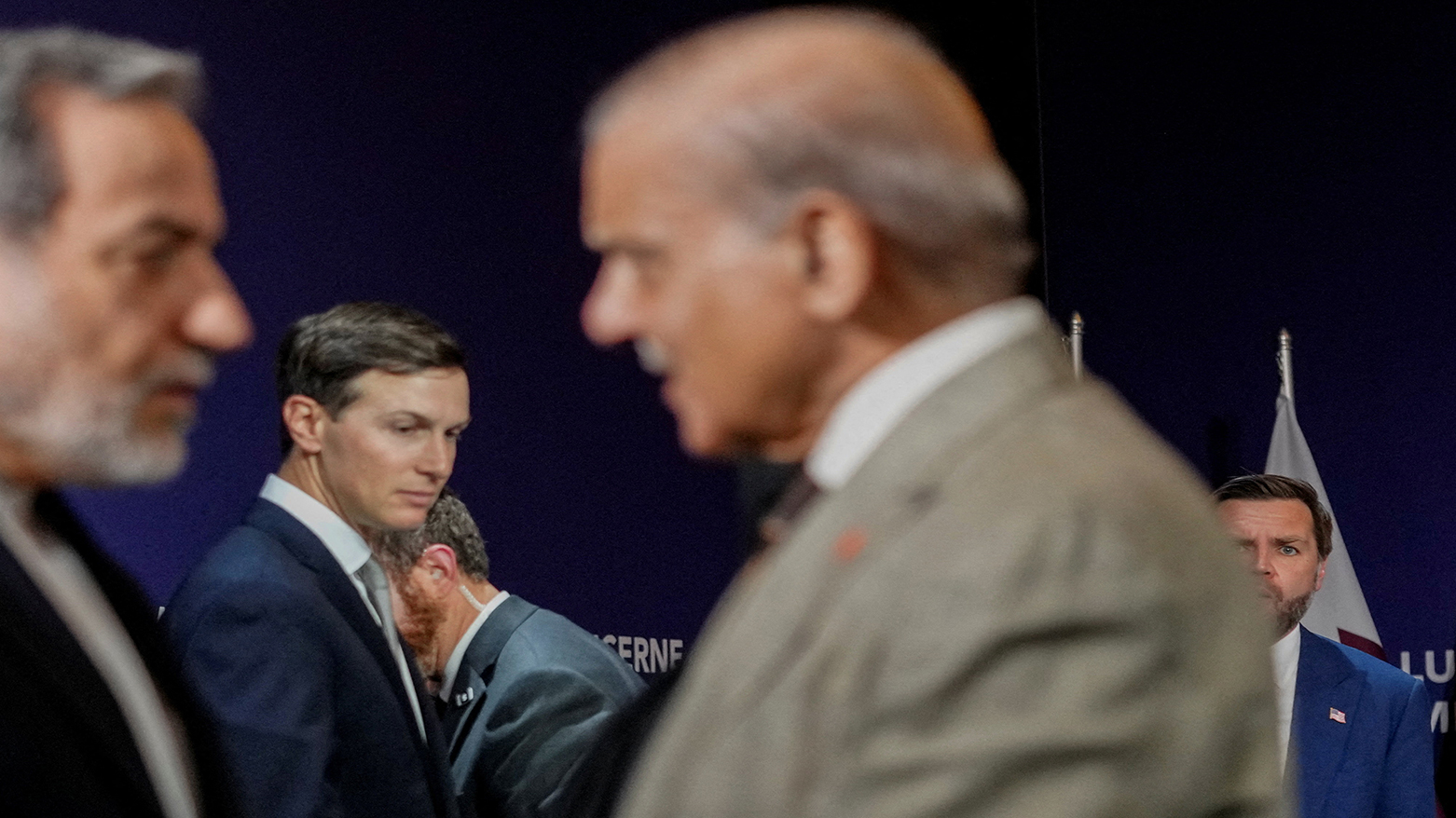
ERBIL (Kurdistan24) — Technical negotiations between Iran and the United States in Switzerland have concluded with an agreement to establish four specialized working groups, according to Iranian state media on Tuesday, marking a new phase in efforts to end the conflict that has engulfed the Middle East.
The working groups will focus on sanctions termination, nuclear affairs, reconstruction and economic development, and monitoring and implementation, Iran’s Deputy Foreign Minister Kazem Gharibabadi said, as quoted by the IRNA state news agency.
The talks followed a first round of discussions held Monday at the Swiss resort of Burgenstock, where Iranian and US officials sought to build on a framework aimed at ending hostilities involving Iran, the United States, and Israel, while also addressing tensions in Lebanon and the security of regional shipping lanes.
Iran’s chief negotiator, Mohammad Bagher Ghalibaf, said upon returning from Switzerland that the Strait of Hormuz would continue to be administered by Tehran.
"The Strait of Hormuz will never return to its pre-war conditions and will be administered by the Islamic Republic of Iran, in accordance with international law," Ghalibaf said, according to IRNA.
In a video posted to his Telegram account, Ghalibaf described the negotiations as producing "good achievements," citing progress on the Strait of Hormuz, discussions related to Lebanon, an oil waiver, and the release of frozen Iranian funds.
The United States temporarily suspended sanctions on Iranian oil on Monday after Vice President JD Vance said Tehran would allow UN nuclear inspectors to return to the country following the talks.
Under the emerging framework, Iran is also expected to receive some form of sanctions relief and access to previously frozen assets.
"Of course, we believe we are still at the beginning of this work and must continue our efforts," Ghalibaf added.
Iranian state media reported that Ghalibaf also stopped in Oman, which shares the Strait of Hormuz with Iran.
The strategic waterway, through which a significant portion of the world's oil trade passes, was initially closed by Iran at the start of the war and reopened last week after Washington and Tehran reached an agreement to begin negotiations. Tehran announced on Saturday that it had closed the strait again in response to Israeli attacks in Lebanon.
Qatari and Pakistani mediators later said Iran and the United States had agreed to establish direct lines of communication to avoid incidents and miscalculations and to ensure the safe passage of commercial vessels through the Strait of Hormuz.
Despite the renewed tensions, maritime traffic through the strait continued on Monday at a faster pace than before the US-Iran agreement to launch talks aimed at ending the war, according to shipping and tracking firms.
The latest negotiations represent the most substantive diplomatic engagement between Tehran and Washington since the outbreak of the regional conflict. In addition to nuclear oversight and sanctions relief, discussions have expanded to include maritime security, economic reconstruction, and mechanisms for implementing any future agreements.
The Strait of Hormuz remains one of the world's most strategically important shipping routes, carrying a substantial share of global energy exports, making its stability a central concern for regional and international powers.