Halabja Concert to Revive Kurdish Epic 'Mem û Zîn' Through Modern Music
On Saturday, June 27, the city of Halabja will host a sweeping symphonic reimagining of the classic tale at Rwanga Hall.
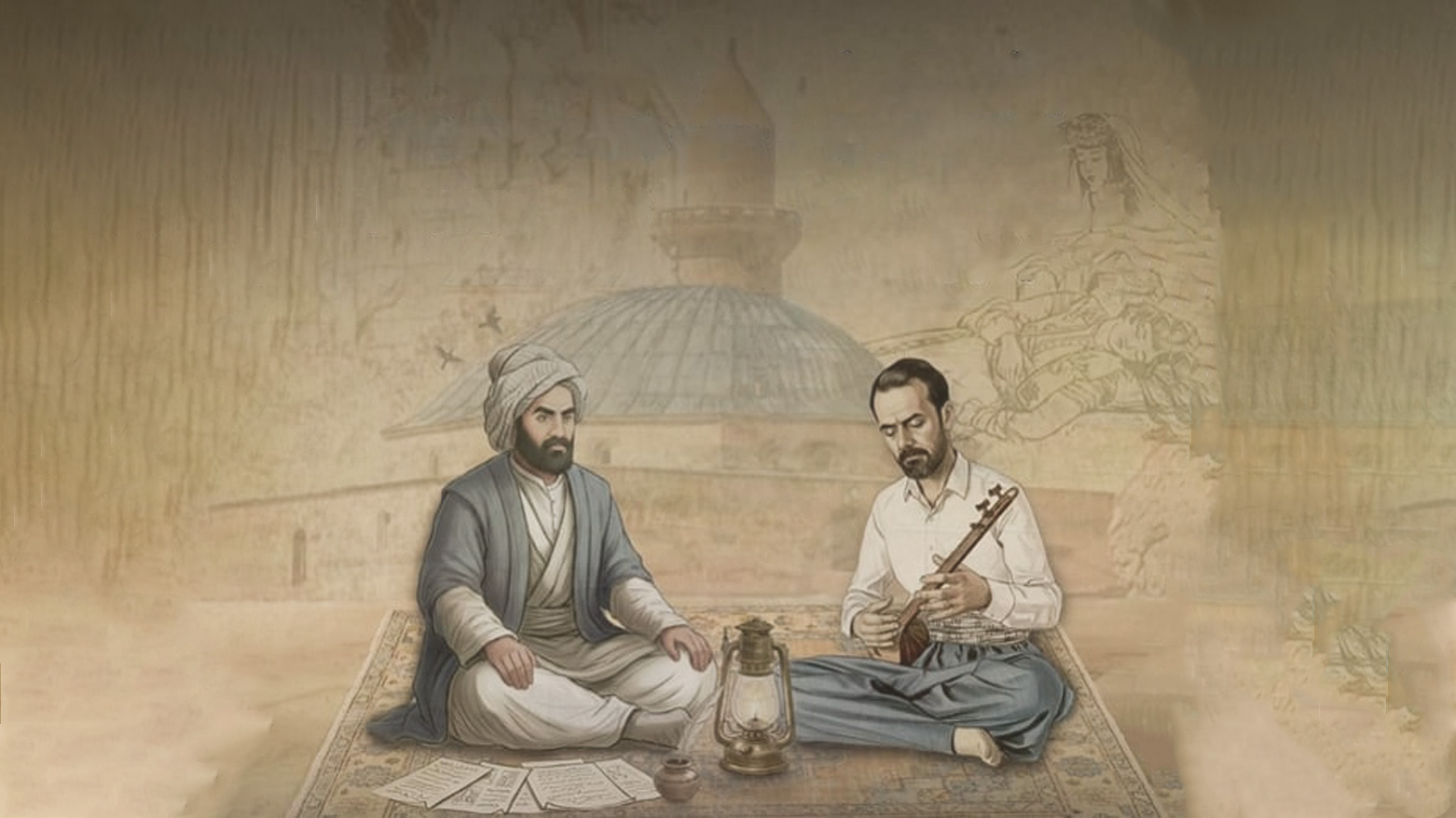
ERBIL (Kurdistan24) - In the pantheon of Middle Eastern literature, few works encapsulate the cultural and political consciousness of the Kurdish people quite like "Mem û Zîn" (Mem and Zin). Penned by the philosopher and poet Ehmedê Xanî in 1692, the epic has long served as a foundational text for Kurdish identity. Now, more than three centuries after its creation, a groundbreaking musical production is set to resurrect Xanî's verses on the modern stage.
On Saturday, June 27, the city of Halabja will host a sweeping symphonic reimagining of the classic tale at Rwanga Hall.
Organized by the Halabja General Directorate of Culture and Arts in strategic partnership with the Civil Development Organization (CDO), the event transcends traditional entertainment, positioning itself as a profound act of cultural revival and a testament to the endurance of Kurdish artistry.
A Literary Work Reimagined Through Music
At the helm of this ambitious synthesis of literature and sound is Kurdish composer and musician Dana Muhyiddin. Speaking to Kurdistan24 on Tuesday, Muhyiddin articulated a creative vision that seeks to elevate the written word into a visceral auditory experience.
Using the original texts of Mem and Zin as his architectural foundation, the composer has orchestrated a piece that intentionally transcends modern geographic borders.
Muhyiddin explained to Kurdistan24 that his primary objective was to draw upon the diverse musical traditions of all four parts of the greater Kurdish region.
By meticulously blending the melodies of the North, the traditional tunes of the South, the emotive resonance of the East, and the distinct sonic textures of the West, the project attempts to merge disparate regional rhythms into a singular, unified artistic expression.
Memory, Identity, and Cultural Continuity
The transformation of this classic literature into a contemporary musical composition represents a critical re-engagement with Kurdish history.
According to Muhyiddin's interview with Kurdistan24, the concert serves as an "artistic and intellectual endeavor to re-examine one of the most significant masterpieces of Kurdish literature."
While Mem and Zin is frequently categorized by casual readers as a tragic romance, Muhyiddin emphasized a much deeper interpretation.
The epic, he noted, is fundamentally rooted in the search for freedom, the discovery of national identity, and the eternal human struggle between individual dreams and collective sorrow.
Ehmedê Xanî intentionally utilized the Kurdish language not merely as a tool for storytelling, but as a deliberate political instrument for the survival and intellectual recognition of Kurdish existence during an era of dominating regional empires.
By transitioning these historic verses from the silence of the printed page to the dynamic realm of sound, rhythm, and emotion, the performance seeks to reactivate historical memory, allowing modern listeners to experience the core of their heritage in an entirely unprecedented format.
Halabja as a Cultural and Historical Stage
The selection of Halabja as the host city for this performance imbues the concert with immense symbolic weight. In the Kurdish collective memory, Halabja is globally synonymous with profound historical trauma and resilience.
Today, however, the city is steadily carving out an evolving role as a vibrant center for cultural expression and contemporary artistic production.
Hosting a production so deeply entwined with themes of survival and identity underscores Halabja's own narrative of rebirth.
Muhyiddin views the host city as a living embodiment of both memory and life. Presenting a musical adaptation of Mem and Zin within this specific civic space purposefully links the historical struggles documented by Xanî with the contemporary cultural vitality of a city that has refused to be defined solely by its past tragedies.
Music as a Unifying Cultural Language
Beyond its literary homage, the upcoming concert harbors a broader artistic ambition: utilizing music as a unifying cultural language.
Muhyiddin noted that integrating regional Kurdish styles is not simply a technical exercise in composition. Rather, it is a deliberate effort to demonstrate that Kurdish culture, precisely through its rich internal plurality, possesses the inherent power to forge a unified voice.
The performance aims to serve as a medium for shared historical and emotional experience, seamlessly connecting the soundscapes of rural villages and traditional celebrations with modern, urban orchestration.
"The concert is an invitation to return to memory," the composer remarked to Kurdistan24, expressing his hope that every melody will transport audiences back to a shared sense of belonging.
As musicians and vocalists prepare to take the stage at Rwanga Hall this weekend, the "Mem and Zin" concert promises to be a defining moment for the Kurdistan Region's cultural calendar.
It represents a sophisticated artistic reinterpretation of Kurdish literary heritage that purposefully bridges centuries of history with contemporary identity.
Ultimately, the performance in Halabja stands as a testament to a broader, ongoing movement: the vital effort to preserve, reinterpret, and elevate Kurdish cultural memory through the universal power of modern artistic expression.
|
Summary Halabja will host a groundbreaking musical adaptation of Ehmedê Xanî's 1692 masterpiece, Mem and Zin, on June 27. Organized by the local culture directorate and CDO, the concert blends regional Kurdish melodies to celebrate national identity, historical memory, and profound cultural resilience. |