Iran Negotiator Hails U.S. Agreement as ‘Declaration of America’s Defeat’
Ghalibaf says regional security should be managed by Middle Eastern states and links Lebanon ceasefire to broader peace deal
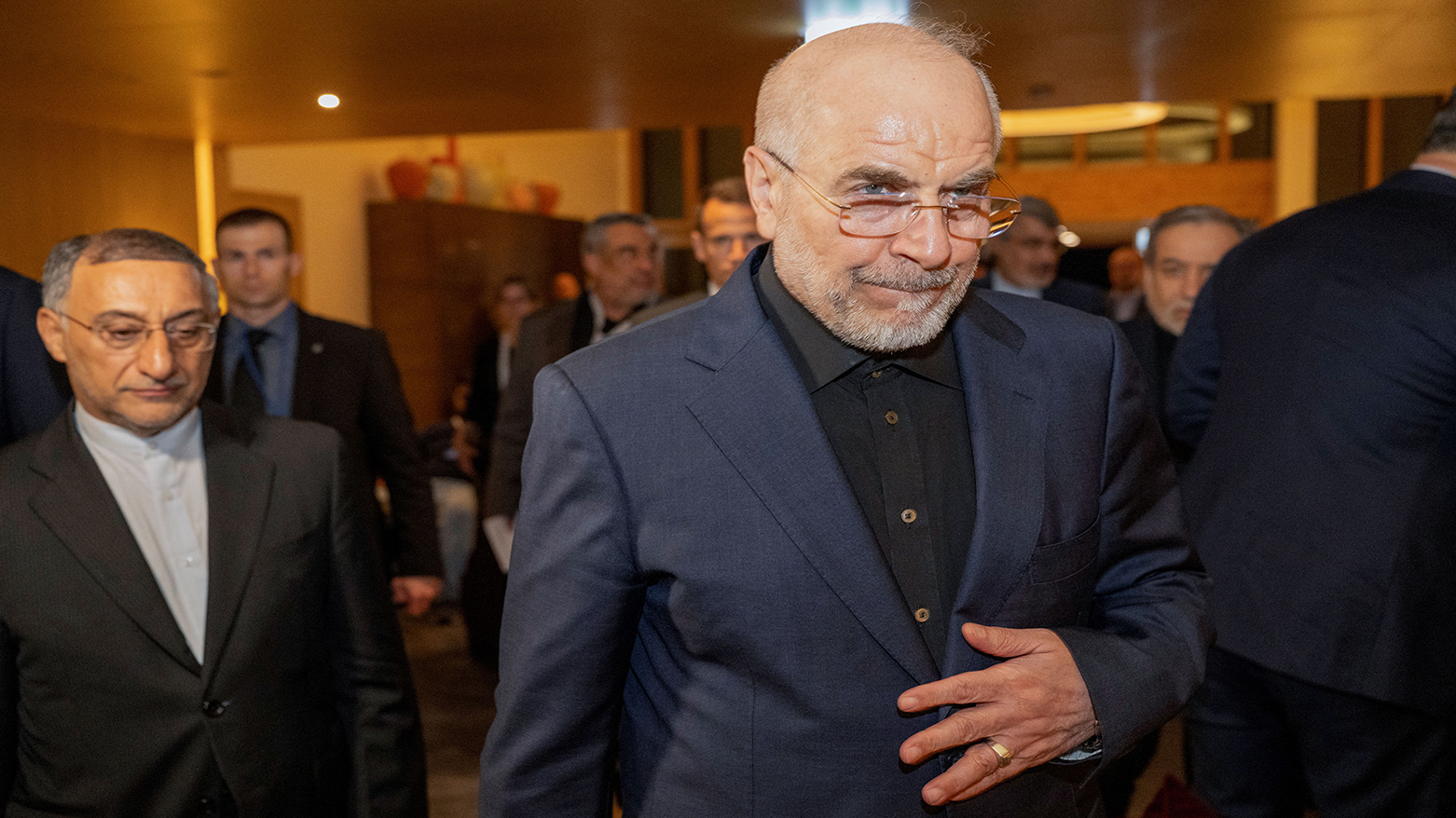
ERBIL (Kurdistan24) — Iran's chief negotiator Mohammad Bagher Ghalibaf on Wednesday described the recent agreement between Tehran and Washington to end the Middle East war as a “declaration of America's defeat,” arguing that the deal reflected Iran's resilience rather than pressure from its adversaries.
Speaking at a conference in Baku, the capital of Azerbaijan, Ghalibaf said the memorandum of understanding brokered through Pakistani mediation was the product of Iranian resistance and national strength.
“The Islamabad understanding was not the result of pressure and coercion, but rather the result of the resistance and authority of the brave Iranian nation,” Ghalibaf said in remarks broadcast by Iranian state television.
“That is why the Islamabad Memorandum of Understanding became a declaration of America's defeat,” he added.
The agreement, reached after months of conflict and diplomacy, is intended to establish a framework for ending hostilities across the region and reducing tensions between Iran and the United States.
Ghalibaf, who also serves as speaker of Iran's parliament, said long-term stability in the Middle East should be ensured by countries in the region rather than foreign powers.
“We consider the withdrawal of foreign military forces from the region a strategic goal,” he said. “Not only do they not create sustainable security, but they are also a source of instability.”
The remarks appeared aimed primarily at the United States, which maintains military bases across several Middle Eastern countries. During the recent conflict, Iran launched attacks against locations hosting U.S. forces in retaliation for strikes carried out by American and Israeli militaries on Iranian targets.
Despite the tensions, Ghalibaf signaled a desire for improved regional relations, particularly with Gulf Arab states that were affected by the conflict.
“We see the future of the region not in confrontation but in interaction, and not in elimination but in coexistence,” he said.
The Iranian official also emphasized that securing peace in Lebanon was a central component of negotiations with Washington, underscoring Tehran's insistence that any comprehensive regional settlement address multiple fronts of the conflict.
“For us, the ceasefire in Lebanon has been and is as important as the ceasefire in Iran, and the end of the war in Lebanon has been as important as the end of the war in Iran,” Ghalibaf said.
His comments highlight Iran's continued focus on Lebanon as a key element of regional security discussions, particularly given Tehran's longstanding support for Hezbollah and its role in shaping developments along the Lebanese-Israeli front.
The memorandum of understanding signed between Iran and the United States calls for a broader cessation of hostilities across the region and has been presented by both sides as a first step toward a more comprehensive political settlement following one of the most dangerous periods of confrontation in recent Middle Eastern history.