Technical, Financial Obstacles Continue to Delay Kurdistan Oil Export Resumption
Source says unresolved issues with Türkiye, unpaid company dues, and security concerns leave restart timeline uncertain
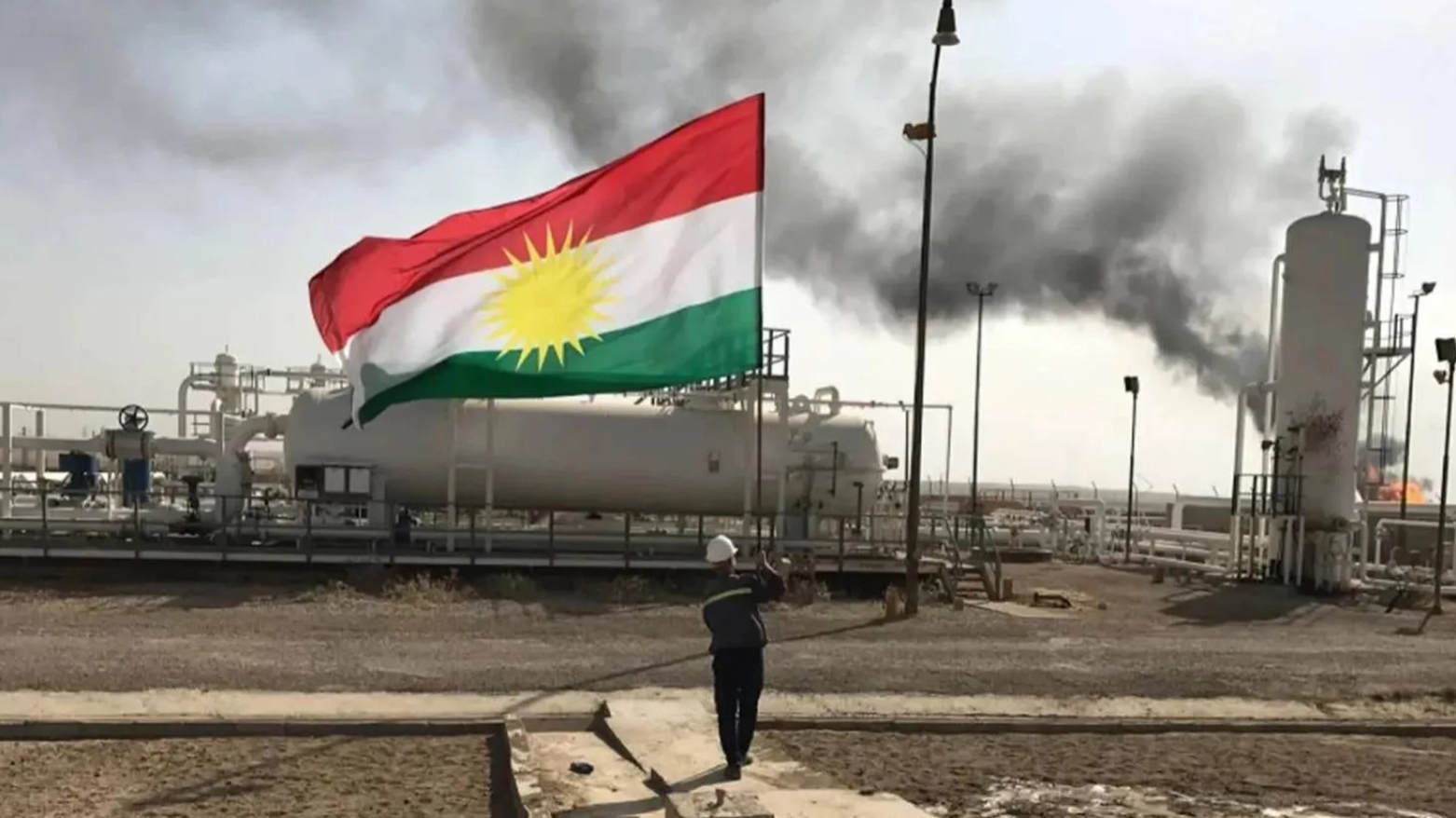
ERBIL (Kurdistan24) — The resumption of oil exports from the Kurdistan Region remains uncertain due to a series of unresolved technical, financial, and legal challenges involving Türkiye, Baghdad, and international oil companies, a source familiar with ongoing negotiations told Kurdistan24.
According to the source, discussions between the Kurdistan Regional Government (KRG), the federal government, and oil companies have yet to produce a clear timetable for restarting oil production and exports.
The source said several major obstacles remain unresolved, including technical problems caused by recent drone attacks on oil fields in the Kurdistan Region, which disrupted operations and damaged infrastructure.
One of the key concerns involves the future of exports through Türkiye. Ankara informed Baghdad last year that the Kirkuk-Ceyhan pipeline agreement is set to expire on July 27, 2026, and that Türkiye is not prepared to renew the arrangement under its previous terms.
The uncertainty surrounding the pipeline agreement has raised concerns among oil companies operating in the Kurdistan Region. Industry stakeholders fear that restarting production without clarity on the pipeline's future could expose them to significant financial losses if exports are halted again shortly afterward.
Companies argue that resuming production for only a brief period before another shutdown would risk damaging oil wells and increase operational costs.
The source also noted that the Iraqi federal government has yet to settle outstanding debts owed to foreign oil companies operating in the Kurdistan Region, another issue that continues to hinder efforts to restart exports.
Security concerns remain an additional challenge. Requests have been made for Baghdad to provide anti-drone defense systems to protect oil infrastructure following a series of attacks on energy facilities.
While the Iraqi government has pledged to supply such systems, no concrete steps have yet been taken, according to the source.
The acquisition of anti-drone capabilities was reportedly among the topics discussed during Iraqi Prime Minister Mohammed Shia al-Sudani's recent visit to the United States. However, Iraq faces delays due to strong demand from Gulf countries seeking similar systems, placing Baghdad low on the procurement list and reducing the likelihood of near-term delivery.
The source said that eight of the Kurdistan Region's 11 operating oil companies have currently suspended their activities. If those companies were to resume operations immediately, they could collectively produce between 160,000 and 170,000 barrels of oil per day.
Oil exports from the Kurdistan Region have remained at the center of negotiations between Erbil, Baghdad, Ankara, and international energy firms, with stakeholders seeking a durable arrangement that addresses legal, commercial, and security concerns before production and exports can return to full capacity.