Gulf-Iran Reconciliation Talks Expected in Saudi Arabia as Rubio Reassures Gulf Allies
According to the diplomat, a summit focused on reconciliation between Gulf states, Iran, and potentially other regional neighbors is expected to take place in Riyadh, although no date has yet been announced.
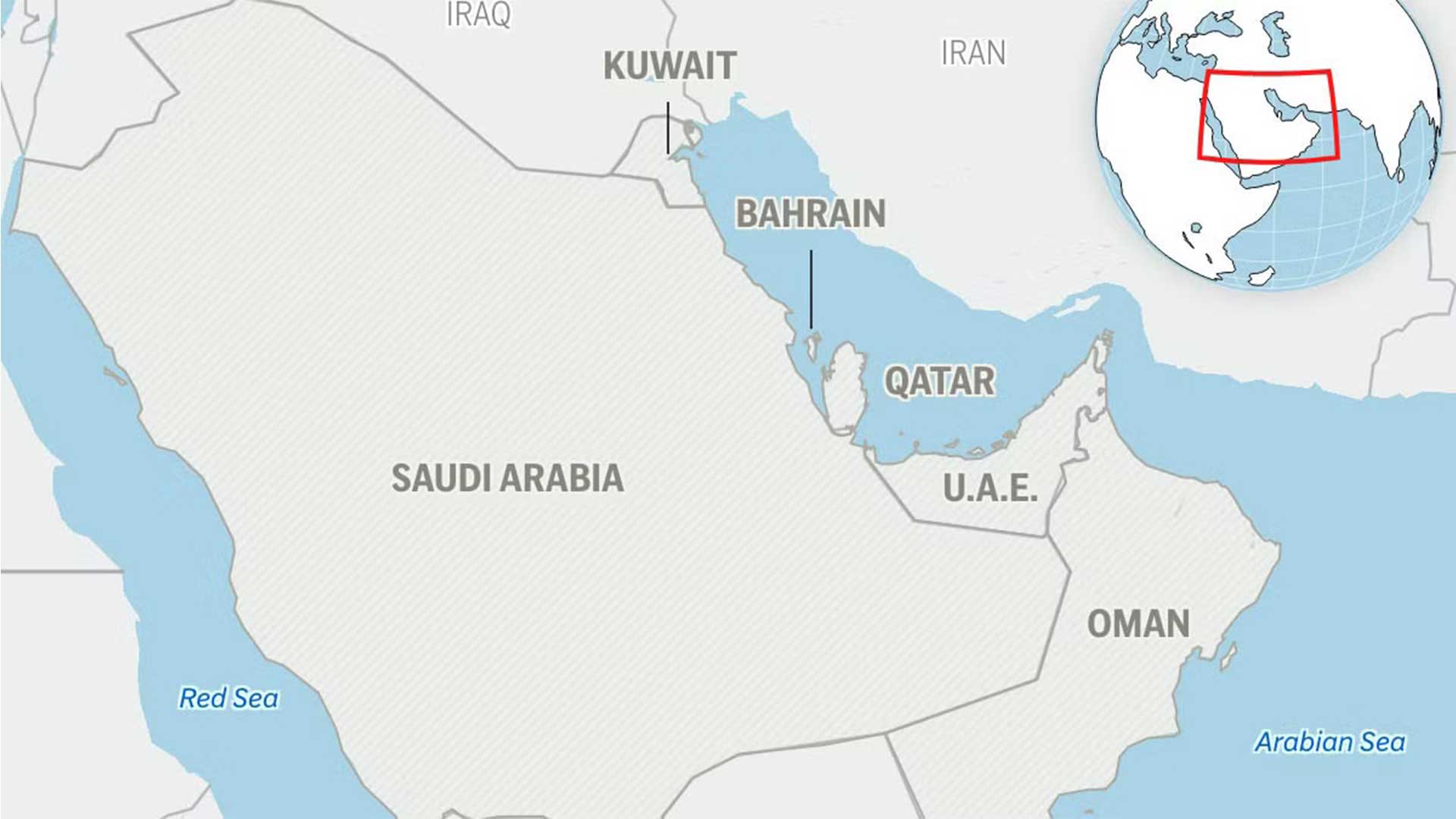
ERBIL (Kurdistan24) – Talks aimed at improving relations between Gulf countries and Iran are expected to be held in Saudi Arabia, a diplomat familiar with the arrangements told AFP on Wednesday, as regional powers seek to ease tensions following the recent Middle East war.
According to the diplomat, a summit focused on reconciliation between Gulf states, Iran, and potentially other regional neighbors is expected to take place in Riyadh, although no date has yet been announced. The source emphasized that the initiative would be separate from ongoing negotiations between the United States and Iran.
The development comes as U.S. Secretary of State Marco Rubio tours the Gulf region to reassure Washington's allies following the U.S.-Iran memorandum of understanding, which has raised concerns among Gulf states over issues such as Iran's missile program and its regional proxy groups.
On Wednesday, Rubio met with UAE President Sheikh Mohamed bin Zayed Al Nahyan in Abu Dhabi, where the two leaders discussed the U.S.-Iran agreement, regional security, and maritime navigation through the Strait of Hormuz.
"They discussed President Trump's memorandum of understanding with Iran, efforts to secure full and safe transit through the Strait of Hormuz, and the importance of peace and stability in the region," State Department spokesperson Tommy Pigott said.
Pigott added that Rubio thanked the UAE for its support and leadership, praised the country's resilience in the face of Iranian attacks during the conflict, and reaffirmed Washington's commitment to Emirati security.
Rubio arrived in the UAE on Tuesday evening before traveling to Kuwait. He is also scheduled to attend a Gulf Cooperation Council (GCC) meeting in Bahrain on Thursday.
Speaking in Abu Dhabi, Rubio stressed that international law does not permit any country to impose fees on vessels using the Strait of Hormuz, after Iran and Oman indicated they were considering charging ships for passage through the strategic waterway.
"It's an international waterway. No country is allowed to charge tolls or fees on an international waterway. That's existing international law," Rubio said.
The Strait of Hormuz remains one of the world's most critical energy corridors, serving as a key route for Gulf oil and gas exports to global markets.