Iran warns unauthorized ships in Strait of Hormuz ‘will be dealt with’
Revolutionary Guards insist vessels use the approved route as Tehran and Washington clash over future transit fees
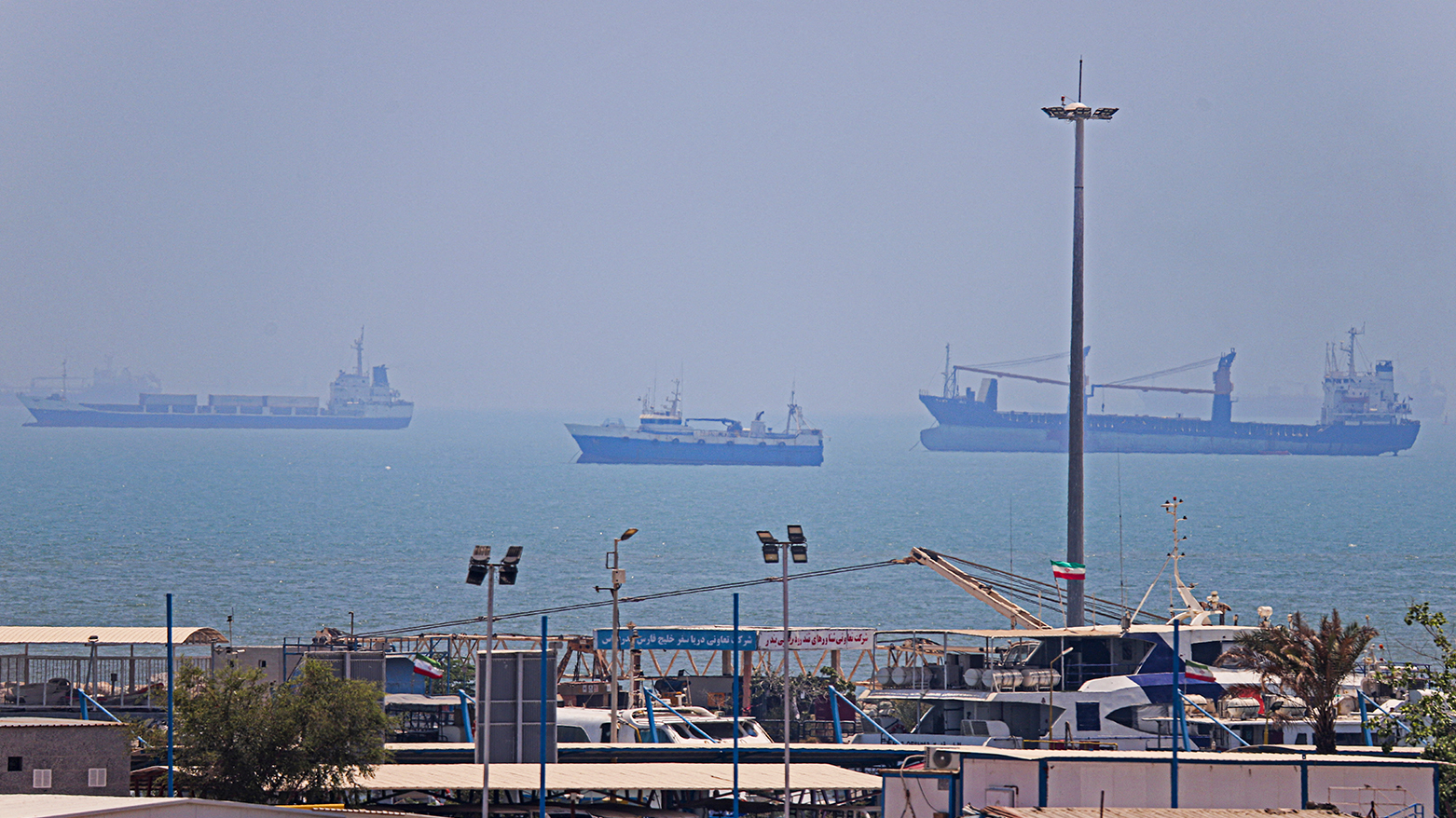
ERBIL (Kurdistan24) — Iran's Revolutionary Guards on Thursday warned that vessels transiting the Strait of Hormuz without authorization would face consequences, underscoring growing tensions over the future management of one of the world's most important energy shipping routes.
"The only authorized route for passage through the Strait of Hormuz is the route announced by the Islamic Republic of Iran," the Guards said in a statement.
Any crossing outside the approved corridor is "unacceptable and extremely dangerous," the statement added, warning that vessels failing to comply "will be dealt with."
The warning comes as Tehran and Washington negotiate a permanent settlement following the recent Middle East war, during which Iran effectively shut down traffic through the strategic waterway, disrupting global energy markets and Gulf oil exports.
The Revolutionary Guards, the ideological arm of Iran's armed forces, also criticized what they described as a newly announced route through the strait by "certain authorities," though they did not specify who had proposed the alternative passage.
The Strait of Hormuz lies between Iran and the Gulf Arab states and serves as the primary maritime gateway for oil and liquefied natural gas exports from the Gulf. Roughly one-fifth of global crude oil and LNG shipments normally pass through the narrow waterway, which measures only about 30 kilometers (18 miles) across at its narrowest point.
Iran currently permits passage through a corridor running close to its coastline. The arrangement has become a central issue in diplomatic efforts to secure a lasting agreement between Tehran and Washington.
A memorandum of understanding signed last week between the United States and Iran to end hostilities provides for commercial vessels to transit the strait free of charge for 60 days while negotiations continue. However, the long-term framework governing navigation remains unresolved.
Iran has argued that ships using the strait should pay what it describes as maritime service fees rather than transit tolls. Tehran says such charges would cover navigation, security, and administrative services associated with managing the strategic waterway.
Earlier this week, Iran and Oman, which jointly oversee access to the strait, announced plans to study the potential costs of services related to its administration.
The proposal has drawn strong opposition from Washington. During a tour of Gulf countries this week, U.S. Secretary of State Marco Rubio reiterated that the United States would not accept any fees imposed on vessels using the strait.
The dispute highlights one of the most contentious issues facing negotiators as they seek to transform the temporary ceasefire into a comprehensive agreement.
Gulf states, whose economies depend heavily on uninterrupted energy exports, have also expressed concerns about any measures that could restrict freedom of navigation or increase shipping costs.
The future status of the Strait of Hormuz is expected to remain a key focus of upcoming U.S.-Iran talks, with both sides holding sharply different views on whether the waterway should be treated as an international transit route or one subject to charges and regulations imposed by the coastal states that control it.