IAEA Chief Calls for Strong Nuclear Verification System in Iran After Middle East Conflict
"I think the objective of this agreement is to ensure that there is no development of nuclear weapons in Iran. The government of Iran has declared quite clearly that this is not their intention," Grossi said.
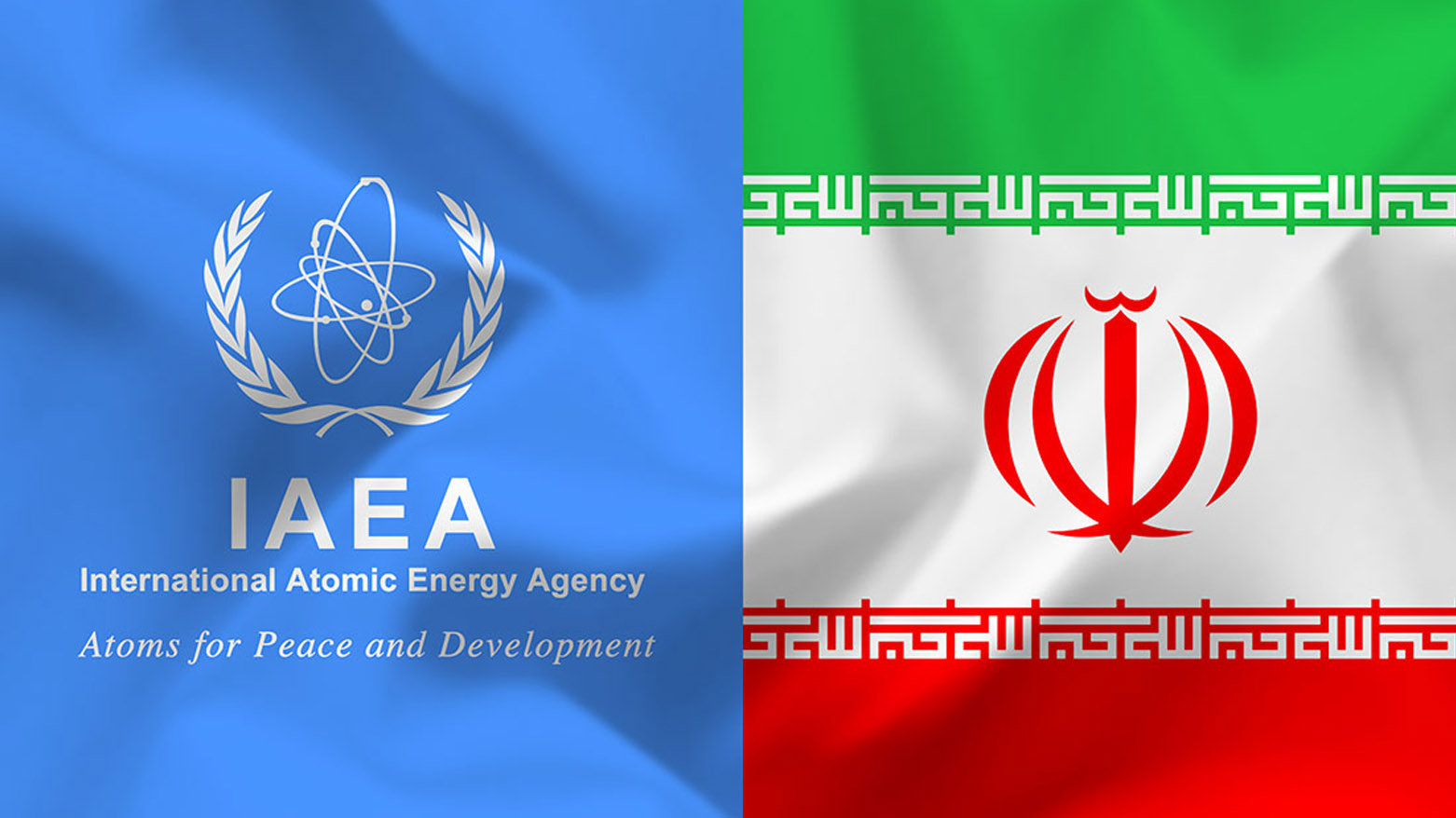
ERBIL (Kurdistan24) – The head of the UN nuclear watchdog on Friday called for a "very strong" verification system in Iran following the recent Middle East conflict, stressing that inspections are essential to ensure Tehran does not develop nuclear weapons.
Speaking to reporters in Japan, International Atomic Energy Agency (IAEA) Director General Rafael Grossi said a robust verification mechanism should be implemented "as soon as is practicable" as the United States and Iran continue negotiations on a broader agreement aimed at ending the recent conflict.
"I think the objective of this agreement is to ensure that there is no development of nuclear weapons in Iran. The government of Iran has declared quite clearly that this is not their intention," Grossi said.
"But of course intentions are not enough. We have to have a very strong verification system in place," he added.
Grossi also revealed that the IAEA has only "barely initiated" discussions with Iran regarding the future of its uranium stockpile following a preliminary agreement reached between Washington and Tehran.
"Initial conversations have taken place... We expect this work to pick up soon," he said.
Iran has consistently denied seeking to develop nuclear weapons, maintaining that its nuclear program is solely for peaceful civilian purposes while insisting on its right to pursue full-scale nuclear energy.
Cooperation between Tehran and the IAEA has remained limited since Iran suspended collaboration with the UN watchdog last July under legislation passed by its parliament following last year's 12-day war with Israel. The suspension has complicated international efforts to monitor Iran's nuclear activities, making verification a central issue in ongoing negotiations between Washington and Tehran.