Abbas Araghchi Arrives in Iraq for Khamenei Funeral Coordination
Iranian Foreign Minister Abbas Araghchi arrived in Baghdad to coordinate Iran's former Supreme Leader, Ali KhameneiIran's former Supreme Leader Ayatollah Ali Khamenei's funeral rites in Najaf and Karbala and discuss regional diplomacy.
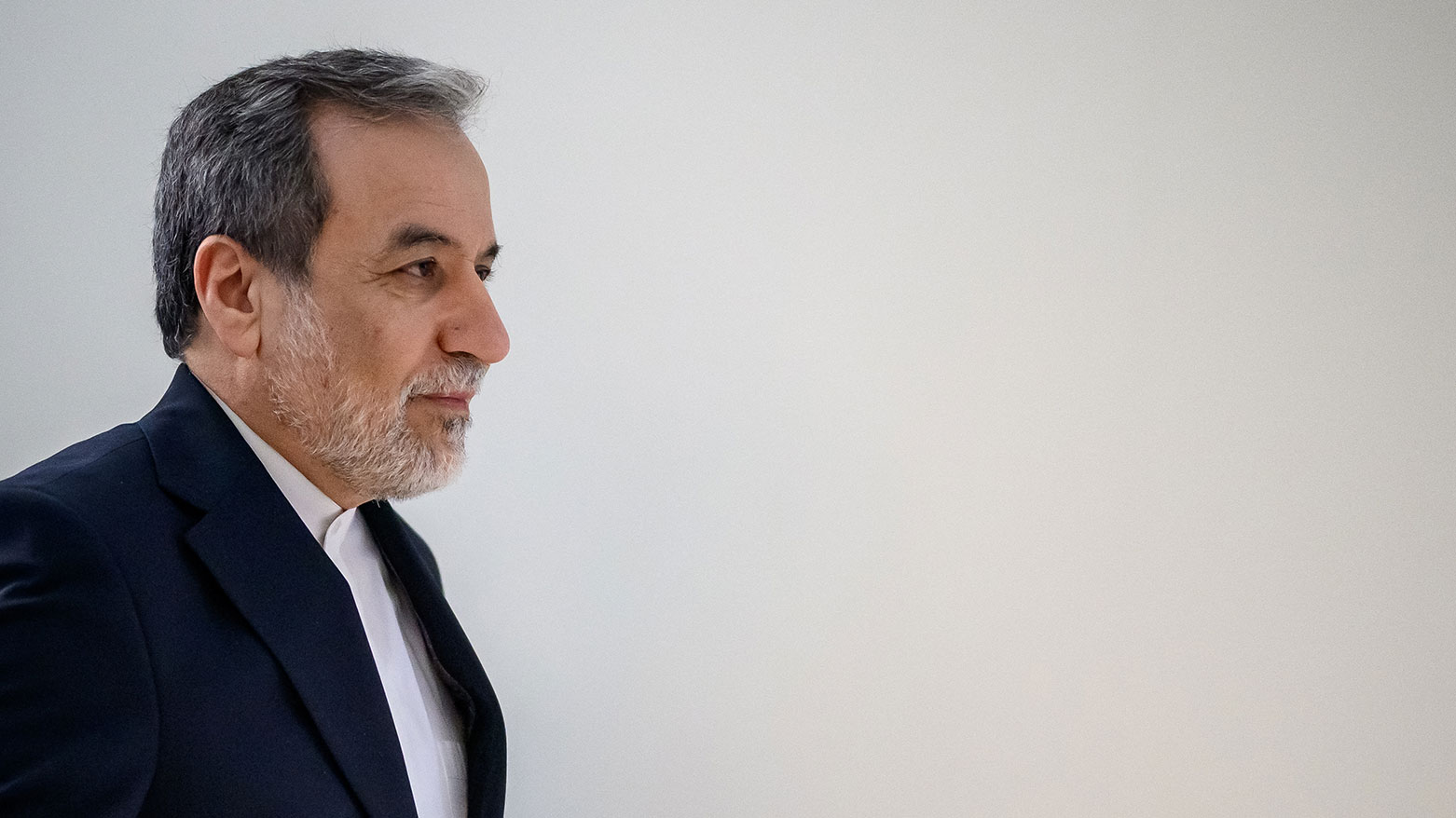
ERBIL (Kurdistan24) - Iranian Foreign Minister Abbas Araghchi arrived in Baghdad on Sunday morning, marking the commencement of an official state visit that sits at the intersection of deep religious tradition and urgent regional diplomacy.
The mission, confirmed by the Iranian Ministry of Foreign Affairs, represents a pivotal moment of coordination between Tehran and Baghdad as the region navigates the volatile aftermath of the conflict that claimed the life of Iran's former Supreme Leader, Ali Khamenei.
The primary objective of Araghchi's visit, according to official statements from Tehran, is to finalize the complex logistical and security arrangements for the funeral and farewell ceremonies of the late Supreme Leader within Iraq's borders.
For the Iranian leadership, the passage of the remains through the holy shrines of Najaf and Karbala is of profound symbolic weight. These cities, home to the most sacred sites in Shiite Islam, serve as the spiritual heart of the transnational religious landscape that binds Iraq and Iran.
The visit comes more than 100 days after Ali Khamenei was killed on Feb. 28, 2026, in what has been described as a joint U.S.-Israeli airstrike in Tehran.
The attack, which also resulted in the deaths of high-ranking military officials and family members, triggered a prolonged delay in the burial process.
Iranian officials cited the ongoing state of war and pervasive security risks as the primary reasons for the 100-day hiatus.
With the formal mourning period now approaching its conclusion, Araghchi is expected to hold high-level meetings with senior Iraqi officials to ensure that the transition of the remains from Iraq to their final resting place in Mashhad proceeds without incident.
While the public focus remains on the ceremonial protocol, the visit is widely seen as having a significant political dimension.
Last Tuesday, the Al-Mayadeen network, citing informed sources, suggested that Araghchi's agenda would involve briefing the Iraqi leadership on the outcomes of recent discreet negotiations between Washington and Tehran held in Switzerland.
Although these reports remain attributed to external sources rather than official government communiqués, they underscore Baghdad's enduring role as a diplomatic conduit and a strategic observer of the friction between the United States and the Islamic Republic.
The logistical undertaking for the funeral rites is immense.
According to the Iranian funeral committee, the remains are scheduled to reach the holy cities of Najaf and Karbala on Wednesday, July 8.
This cross-border movement requires seamless cooperation between Iraqi security forces and Iranian protocol officers, particularly given the expectations of large-scale public mourning and the attendance of regional dignitaries.
Araghchi's presence in Baghdad ten days prior to the Iraqi rites suggests that both nations are prioritizing a unified front in managing the security environment.
Beyond the funeral preparations, Araghchi is expected to discuss the broader regional security architecture with his Iraqi counterparts.
Iraq has frequently served as a neutral ground for mediation, and the Foreign Minister's visit reaffirms the importance of the Baghdad-Tehran relationship in maintaining a measure of stability during a period of heightened sensitivity.
As Araghchi's meetings continue, the focus remains on the transition from a state of emergency to a period of formal closure.
The rites in Najaf and Karbala will serve as a prelude to the final burial in Mashhad, ending a months-long period of uncertainty. For Baghdad, hosting the Foreign Minister, and subsequently the funeral ceremonies, is a reminder of Iraq's central position in the religious and diplomatic geography of the Middle East.
|
Summary Iranian Foreign Minister Abbas Araghchi has arrived in Baghdad for a high-stakes state visit. The mission focuses on coordinating funeral rites for Iran's former Supreme Leader Ayatollah Ali Khamenei in Najaf and Karbala, while reportedly briefing Iraqi officials on recent Washington-Tehran negotiations held in Switzerland. |