HKN Energy Resumes Operations at Atrush Oil Field as Kurdistan Output Nears 170,000 BPD
HKN Energy has officially resumed oil production at the Atrush field, marking a significant milestone in the recovery of the Kurdistan Region's energy sector.
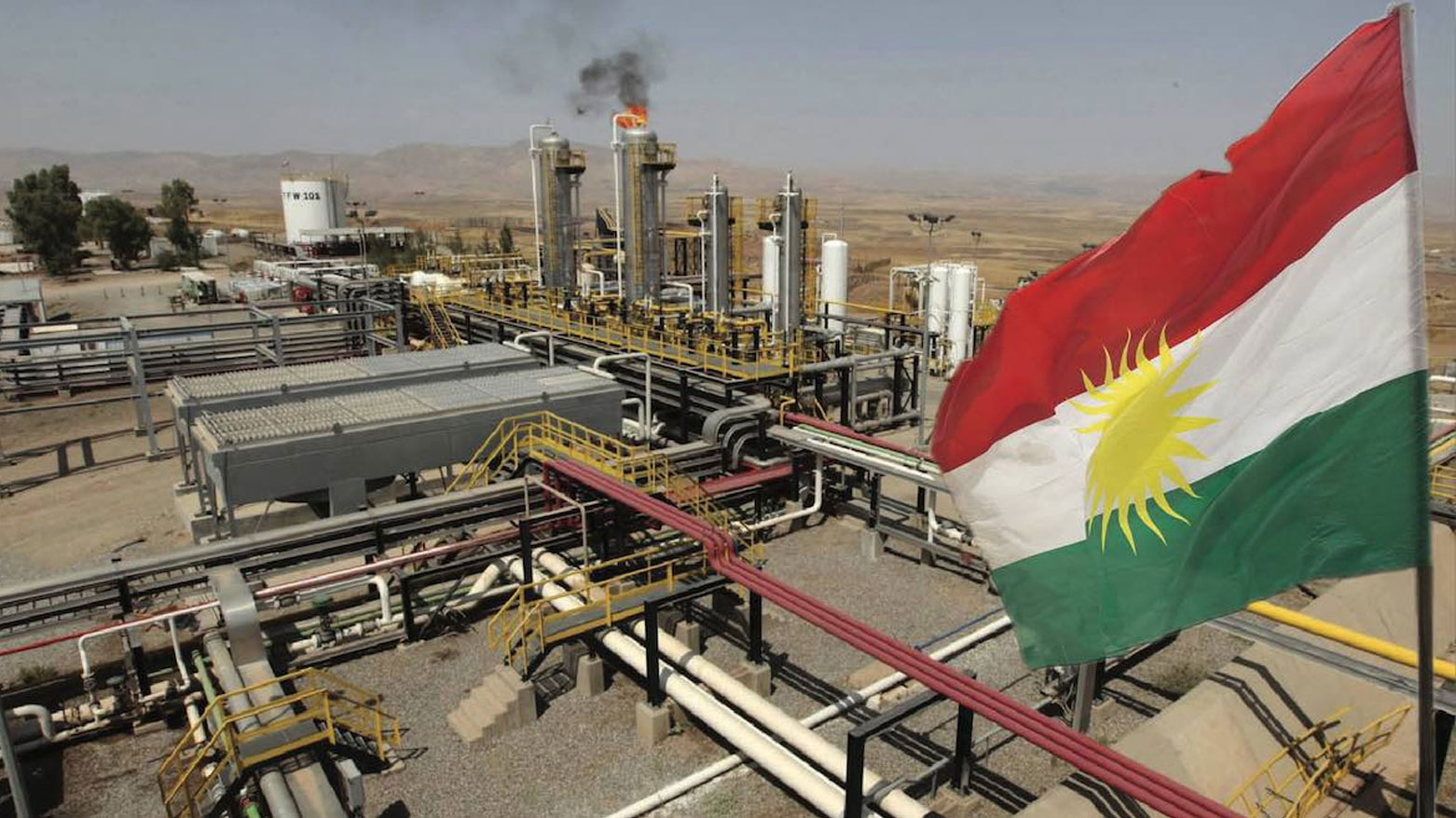
ERBIL (Kurdistan24) - HKN Energy has formally restored extraction operations at the Atrush oil field, signaling a critical turning point in the gradual resurgence of the Kurdistan Region's upstream energy sector. The weekend restart is the latest milestone in a coordinated, phased return of international oil companies across northern Iraq, breathing new life into an industry that has weathered profound disruptions over the past year.
Once this industry-wide reactivation concludes later this week, regional output is projected to achieve a combined capacity of 170,000 barrels per day (bpd).
For a sector that had been severely constrained, this collective return represents a vital restoration of operational momentum and a significant boost to investor confidence.
According to investigation by Kurdistan24, the Atrush restart on Sunday, June 28, places HKN alongside a growing cohort of foreign operators systematically bringing their dormant wells and processing facilities back online.
The recovery of the region's petroleum infrastructure is unfolding in carefully staggered phases rather than a singular sweep.
DNO, the Norwegian energy operator managing the highly productive Tawke and Peshkabir concessions, has already initiated its extraction processes.
Gulf Keystone Petroleum has similarly resumed its local operations.
Meanwhile, United States-based Hunt Oil is scheduled to reactivate its regional infrastructure on July 8. Other international firms are preparing to follow suit under a phased return plan negotiated with regional stakeholders.
As these corporate timelines converge, eight major production zones will soon be fully active.
This expanding operational web includes the sprawling Khurmala dome, Shaikan, Sarsang, Erbil, and the Bijell-Harir fields, sitting alongside Atrush, Tawke, and Peshkabir.
The activation of these specific blocks transforms the landscape of Kurdistan's energy market, pivoting companies away from suspended animation toward functional domestic delivery.
Before this recent wave of restarts, eight of the eleven foreign oil companies operating within the Kurdistan Region had suspended their activities entirely.
This deep industry freeze followed the abrupt and complete halt of regional crude exports in May 2023.
The prolonged pipeline closure effectively severed the region from global energy markets, sending shockwaves through corporate boardrooms and shuttering multi-million-dollar extraction sites almost overnight.
The financial toll of the export suspension has been undeniably devastating, inflicting billions of dollars in cumulative losses upon both the Kurdistan Regional Government and the broader Iraqi federal economy.
While the complex geopolitical and legal impasses preventing the resumption of international pipeline exports remain unresolved, the revival of domestic production serves as an essential economic shock absorber.
By bringing 170,000 bpd back to the surface, operators and regional authorities are generating vital activity for local refineries and domestic consumption.
This pragmatic pivot aims to stimulate the regional economy, sustain critical upstream infrastructure, and partially mitigate the staggering financial damages incurred over the past thirteen months.
Ultimately, the steady hum of machinery returning to the Atrush field underscores an industry determined to adapt.
As the final slated operators prepare to bring their facilities back to life in the coming days, the Kurdistan Region's energy sector is demonstrating a resilient capacity to maintain its upstream viability, carefully navigating current export limitations while positioning itself for long-term stability.
|
Summary HKN Energy has officially resumed oil production at the Atrush field, marking a significant milestone in the recovery of the Kurdistan Region's energy sector. With international oil companies gradually returning to operations, regional output is projected to reach 170,000 barrels per day. |