Pakistan Launches Airstrikes in Eastern Afghanistan After Deadly Karachi Attack
Islamabad says 25 militants were killed in operations targeting TTP-linked group as Taliban authorities report dozens of civilian casualties
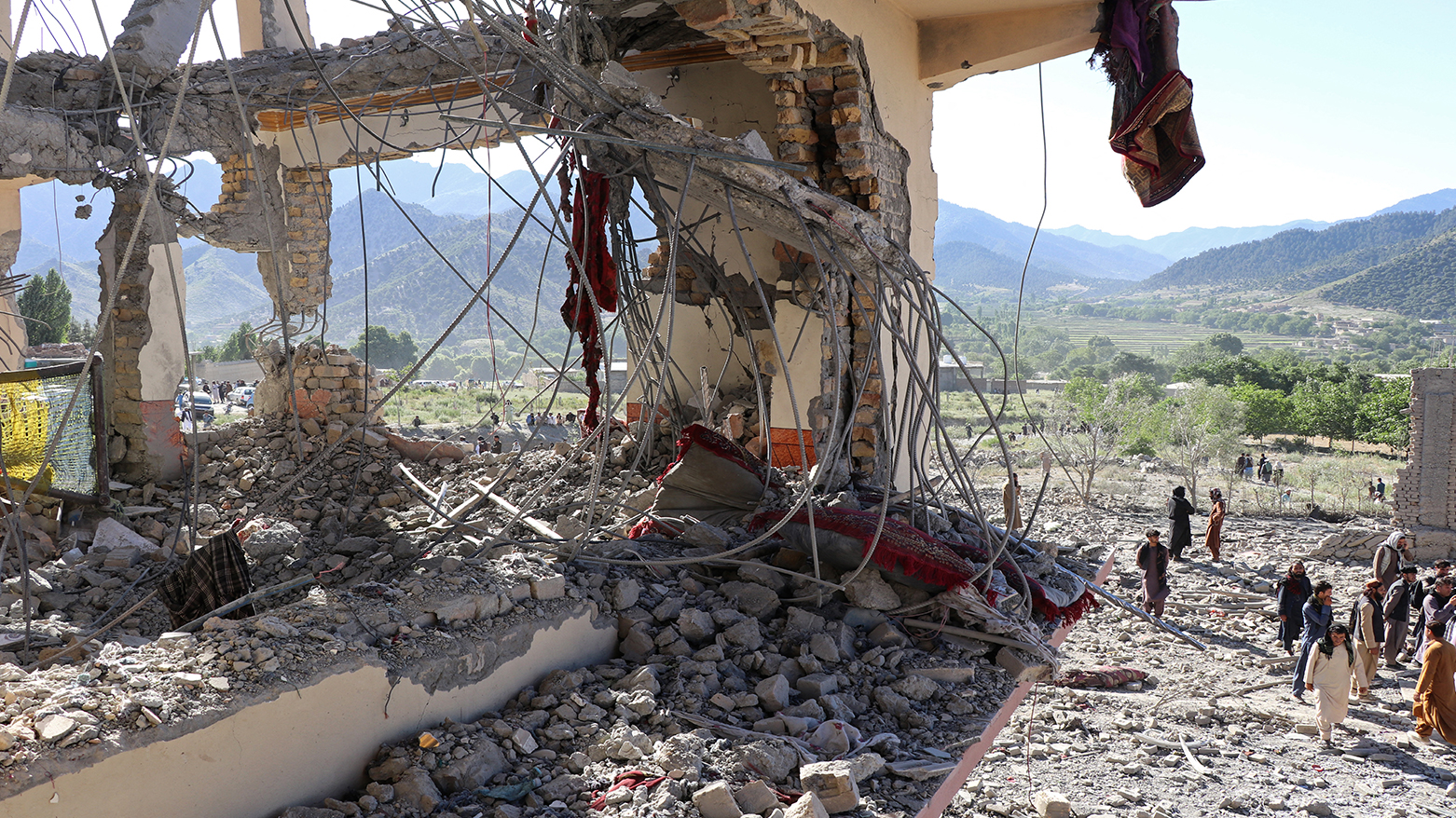
ERBIL (Kurdistan24) — Pakistan said Monday it carried out overnight airstrikes and ground operations in eastern Afghanistan targeting militants linked to a deadly weekend attack in Karachi, while the Taliban-led Afghan government accused Islamabad of killing and wounding dozens of civilians in what it described as an act of aggression.
Pakistan's Information Minister Attaullah Tarar said the military operations targeted Jamaat-ul-Ahrar, a splinter faction of the Tehrik-i-Taliban Pakistan (TTP), which Islamabad blames for Saturday's attack on a Rangers paramilitary camp in Karachi.
According to Tarar, precision airstrikes destroyed three militant targets in the eastern Afghan provinces of Paktia, Paktika, and Kunar, killing 25 militants. He added that four more militants were killed during accompanying ground operations in border areas.
"Three targets in Paktia, Paktika and Kunar were destroyed during precision strikes," Tarar said in a statement.
The Taliban government condemned the strikes, saying they resulted in dozens of civilian casualties across the three provinces.
The Taliban government later provided a higher casualty toll, with deputy spokesman Hamdullah Fitrat saying Pakistani airstrikes in the eastern provinces killed 36 civilians and wounded 163 others. In a post on X, Fitrat said the victims included women and children, describing those killed as "martyrs" and accusing Pakistan of inflicting heavy civilian losses during the overnight operation.
Taliban spokesman Zabihullah Mujahid described the operation as a "cowardly act of aggression" and accused Pakistan of violating Afghanistan's sovereignty.
Response to Karachi attack
The military operation followed one of the deadliest militant attacks in Pakistan's largest city in recent years.
On Saturday, explosives detonated inside a Rangers paramilitary camp in Karachi before gunmen opened fire, killing three security personnel. Pakistani authorities said they had detained an Afghan national allegedly involved in the assault, along with several other suspects.
Islamabad has long accused militant groups operating from Afghan territory—particularly the TTP and its affiliates—of carrying out attacks inside Pakistan.
Afghan authorities have consistently rejected those allegations, insisting they do not allow their territory to be used for attacks against neighboring countries.
Pakistan maintains that its cross-border operations rely on precise intelligence and are aimed exclusively at militant hideouts, weapons depots, and leadership targets.
Fragile ceasefire under strain
The latest strikes mark another escalation in relations between the neighboring countries, which have remained tense since the Taliban returned to power in 2021.
The two sides agreed to a ceasefire in March after weeks of fighting that erupted in late February. However, sporadic cross-border attacks have continued despite the truce.
Afghan officials said Pakistani airstrikes in June killed 13 people, while Kabul has repeatedly accused Islamabad of causing heavy civilian casualties through its military operations.
The United Nations has also raised concerns over civilian deaths. It previously said a Pakistani strike on a drug treatment center in March killed hundreds of people.
The February conflict between Pakistan and Afghanistan triggered weeks of intense fighting along the border, leaving hundreds dead and forcing tens of thousands to flee their homes, according to the UN.
The fighting included unprecedented Pakistani airstrikes on Afghan cities, including the capital and the southern city of Kandahar, where the Taliban's supreme leader is based.
Regional tensions persist
The renewed violence comes as Pakistan seeks to bolster its regional diplomatic role by mediating between the United States and Iran in efforts to end their conflict in the Middle East. Islamabad has argued that its domestic fight against militancy necessitates military operations against armed groups it says are sheltering across the Afghan border.
Despite mediation efforts by several countries, including China, the two neighbors have failed to reach a lasting political or security settlement.
Much of their shared frontier has remained closed since renewed cross-border violence erupted in October, further straining economic ties and regional stability.