Iran, Oman Hold First Joint Meeting on Strait of Hormuz Management After U.S. Ceasefire Deal
Tehran says Joint Hormuz Committee begins discussions on future administration of strategic waterway following preliminary agreement to end regional war
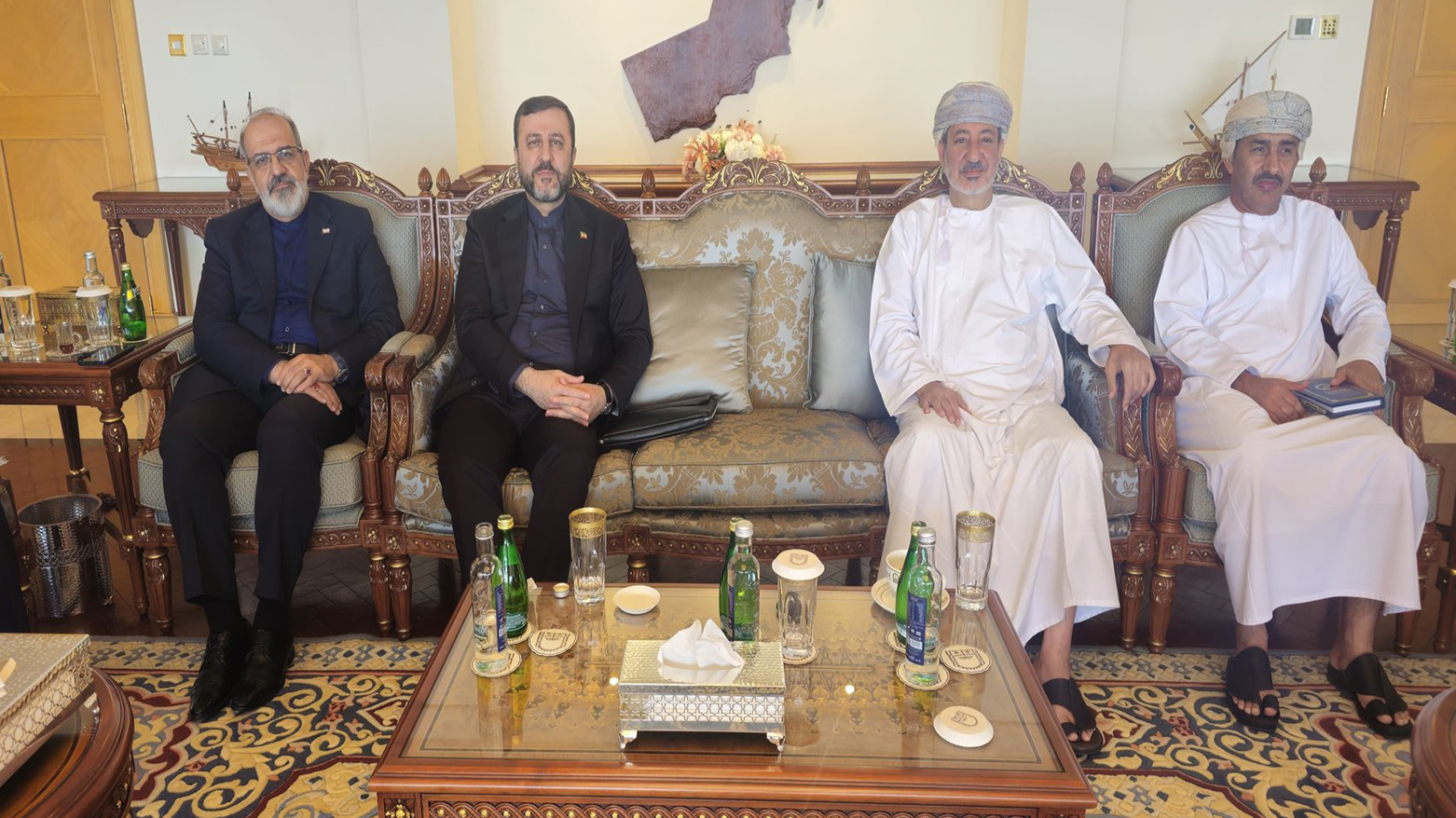
ERBIL (Kurdistan24) — Iran and Oman have held the first meeting of their newly established Joint Hormuz Committee to discuss the future management of the Strait of Hormuz, marking the first formal engagement on the issue since Tehran and Washington signed a preliminary agreement aimed at ending the months-long Middle East war.
Iranian Deputy Foreign Minister Kazem Gharibabadi announced Monday that the committee convened during a visit to Muscat, where officials reviewed current issues concerning the strategic waterway and exchanged views on its future administration.
"During a trip to Muscat, the first meeting of the Joint Hormuz Committee was held," Gharibabadi wrote on X. "While reviewing the current issues related to the strait, we exchanged views on the future management."
The meeting follows commitments made by Iran and Oman earlier this month to deepen consultations on navigation and maritime services in the Strait of Hormuz, one of the world's most critical energy transit routes.
On June 23, the two neighboring countries agreed in Muscat to continue discussions on the future administration of navigation through the strait, including maritime services and the costs associated with operating them.
They also announced the formation of a joint working group involving their foreign ministries to carry the negotiations forward and pledged to consult other Gulf littoral states and relevant stakeholders.
The initiative implements a key provision of the memorandum of understanding signed between Iran and the United States following their preliminary agreement to end hostilities.
Under the memorandum, Iran committed to engaging Oman and other Gulf coastal states in talks over the future management of navigation and maritime services in the Strait of Hormuz.
The June 23 agreement came after a high-level Iranian delegation, led by Parliament Speaker Mohammad Baqer Qalibaf and Foreign Minister Abbas Araqchi, visited Muscat for talks with Oman's Sultan Haitham bin Tariq and Foreign Minister Sayyid Badr Albusaidi.
In a joint statement issued after the meetings, Iran and Oman reaffirmed their commitment to ensuring the safe passage of vessels through the Strait of Hormuz in accordance with international law while emphasizing each country's sovereignty over its territorial waters.
The Strait of Hormuz remains one of the world's most strategically important maritime chokepoints, linking the Persian Gulf with the Gulf of Oman and the Arabian Sea. Under normal conditions, roughly one-fifth of global oil and liquefied natural gas shipments transit the narrow waterway, making its security vital to international energy markets.
Shipping through the Strait was severely disrupted after the outbreak of the U.S.-Israeli-Iran war in February. Iran effectively restricted commercial navigation through the waterway, prompting the United States to impose a blockade on Iranian ports as the conflict escalated.
Although a preliminary ceasefire has eased military tensions, negotiations over the future governance of the strait have become a central element of broader diplomatic efforts to stabilize the region and restore confidence in one of the world's most important trade corridors.