Venezuela Earthquake: Rescue Shifts to Recovery as Hope Fades
Following devastating twin earthquakes in Venezuela, search and rescue operations are shifting toward recovery efforts as the 72-hour survival window closes
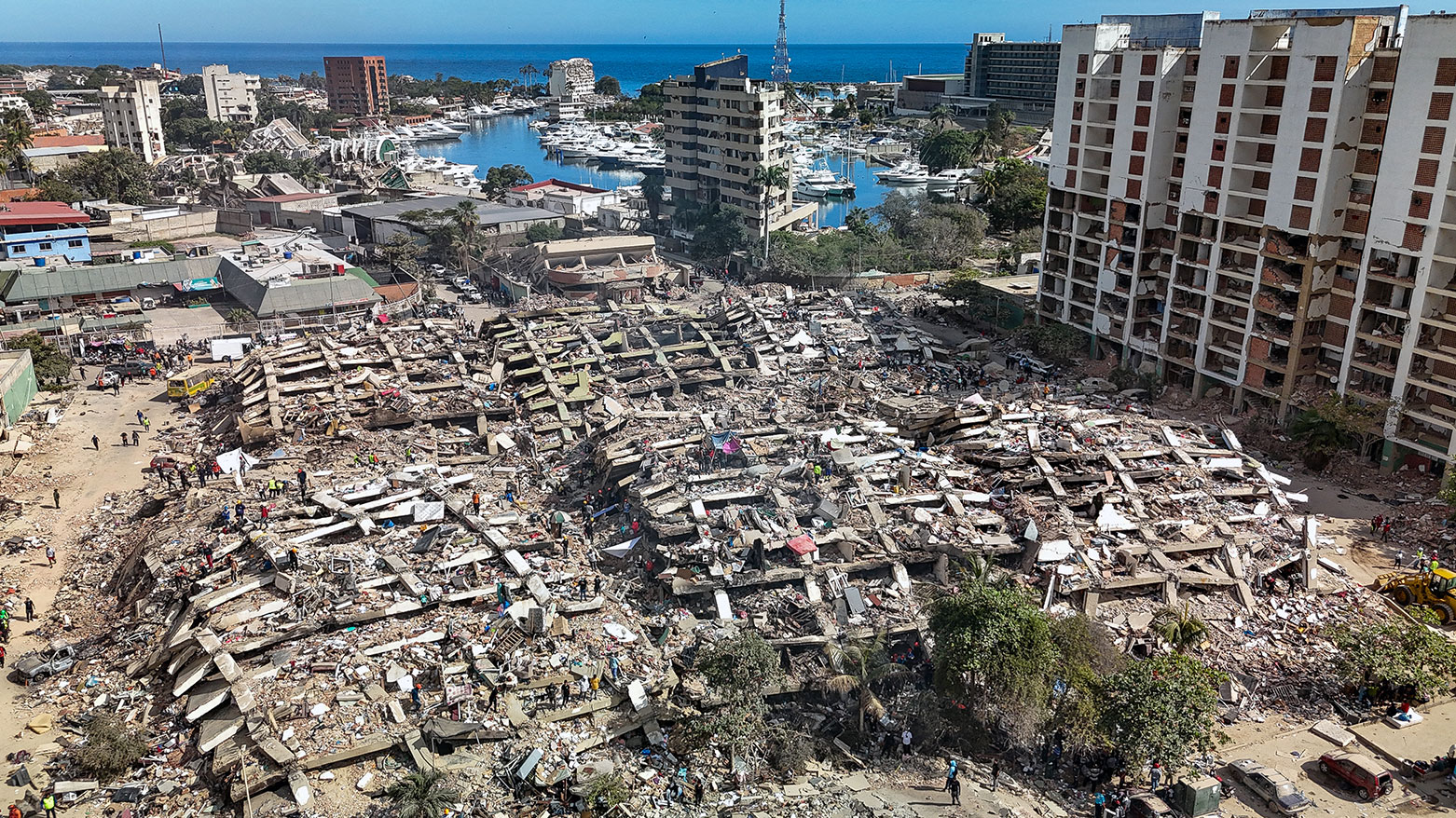
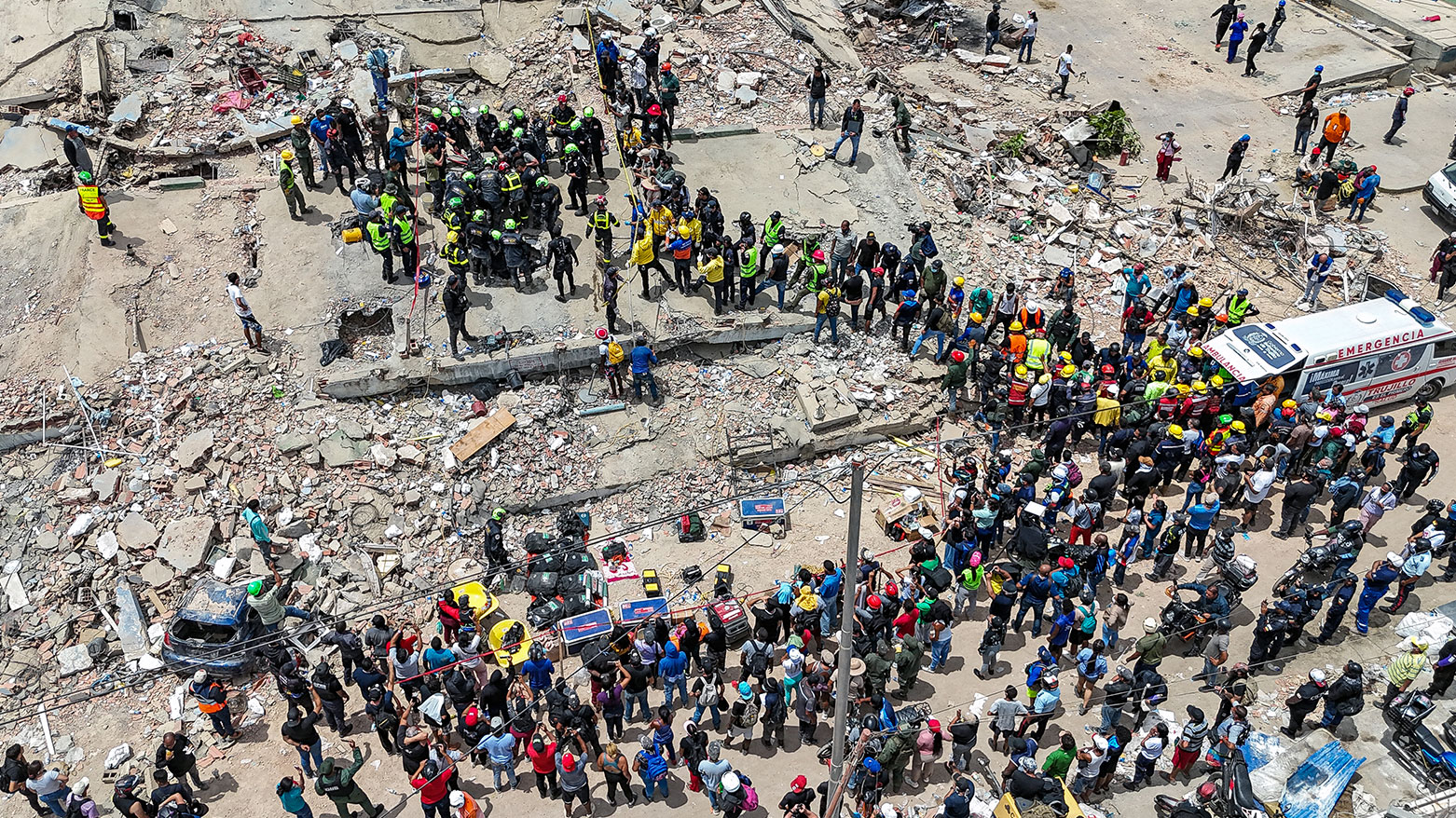
ERBIL (Kurdistan24) - More than four days after consecutive, catastrophic earthquakes fractured Venezuela's northern coast, the critical window for finding survivors has definitively closed. As the dust settles over pancaked concrete and shattered infrastructure, the grim arithmetic of recovery is replacing the frantic pace of rescue, leaving residents to navigate a landscape of profound loss and mounting frustration.
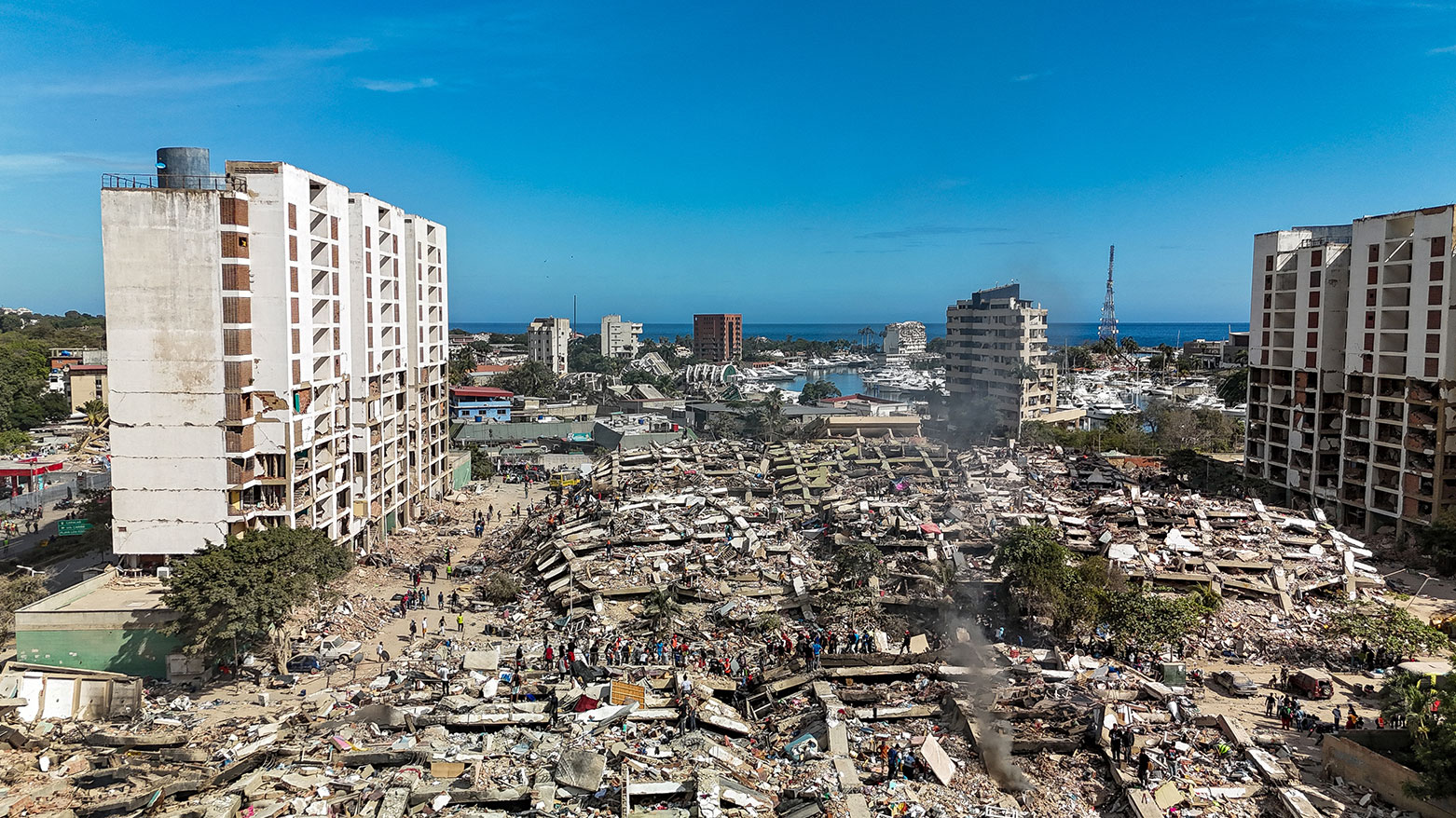
The twin seismic shocks, measuring magnitudes 7.2 and 7.5, struck in rapid succession on Wednesday evening. According to National Assembly President Jorge Rodriguez, the tremors completely leveled 189 buildings and severely damaged hundreds more.
By Sunday, the official death toll had climbed to 1,450, with at least 3,150 individuals sustaining injuries. Tens of thousands remain unaccounted for across the affected zones, deepening the anguish of families waiting near the ruins.
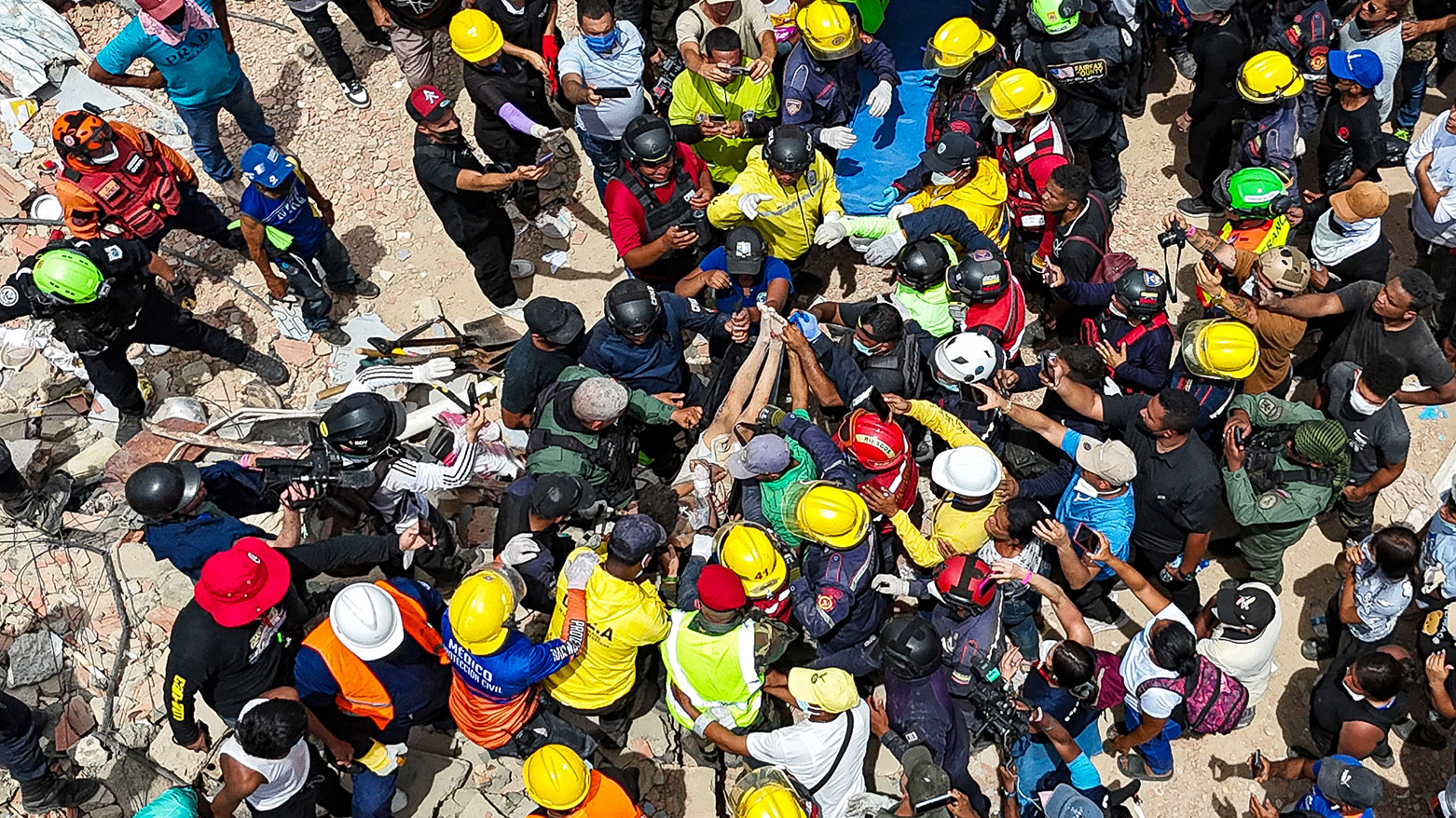
Amid the devastation, fleeting moments of triumph have provided brief respites from the tragedy.
In Caraballeda, a town roughly forty kilometers north of the capital, French and American search teams successfully extracted a man and his teenage son alive from beneath the debris on Sunday, according to reporting by Margioni Bermudez and Brian Contreras for Agence France-Presse.
Yet, experts caution that such miracles are becoming increasingly scarce as the hours pass.
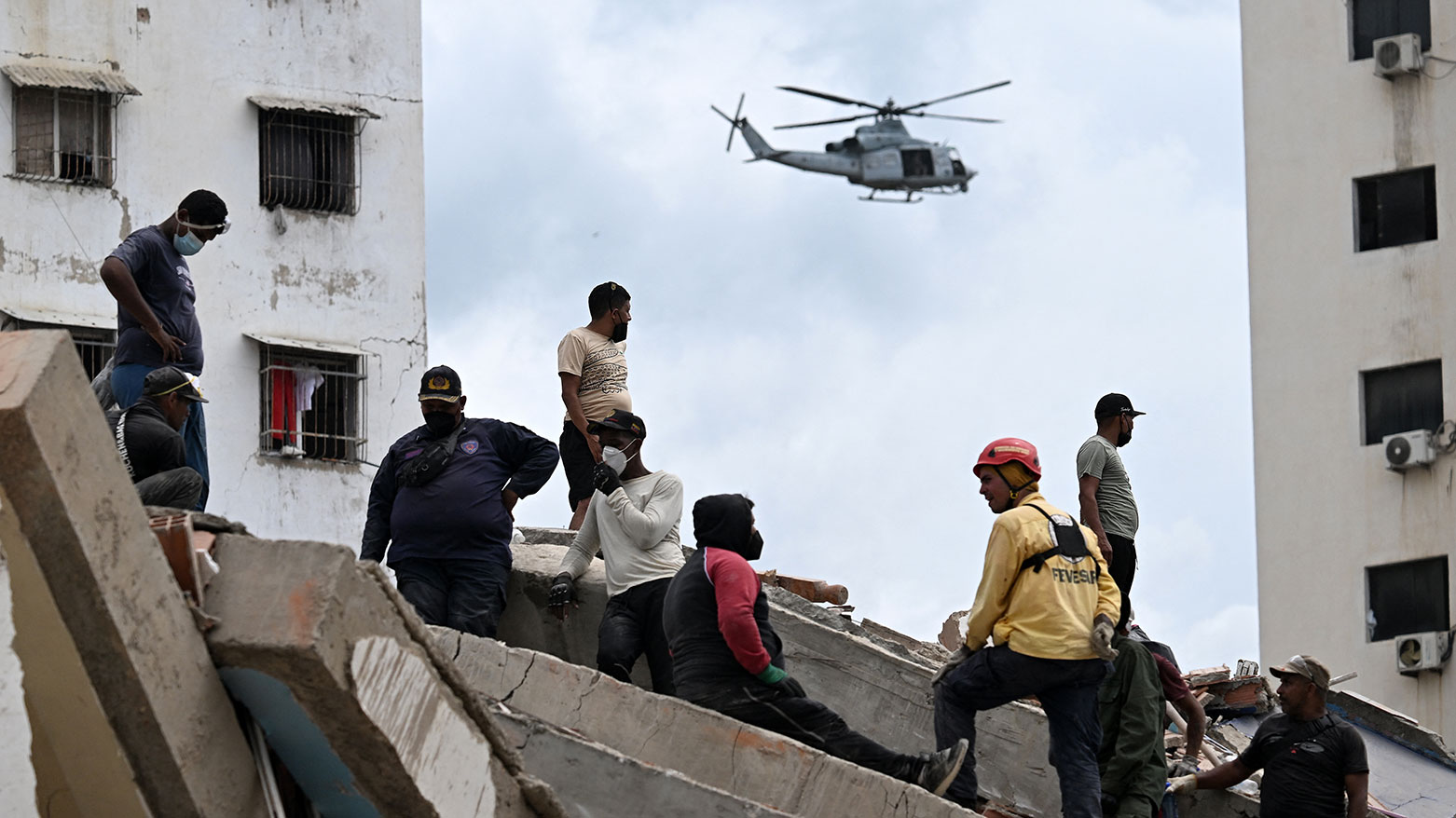
In the coastal community of Tucacas, volunteers and emergency workers have been painstakingly digging through compressed layers of collapsed apartment complexes.
Luis Salas, a young volunteer involved in the subterranean search, described the emotional toll of the operation to AFP, explaining the heartbreak of navigating debris tunnels with immense hope only to discover lifeless bodies at the end.
In Caracas's San Bernardino district, residents have formed human chains to clear concrete by hand, while digital billboards in the Chacao neighborhood now broadcast a continuous loop of missing persons' faces rather than commercial advertisements.
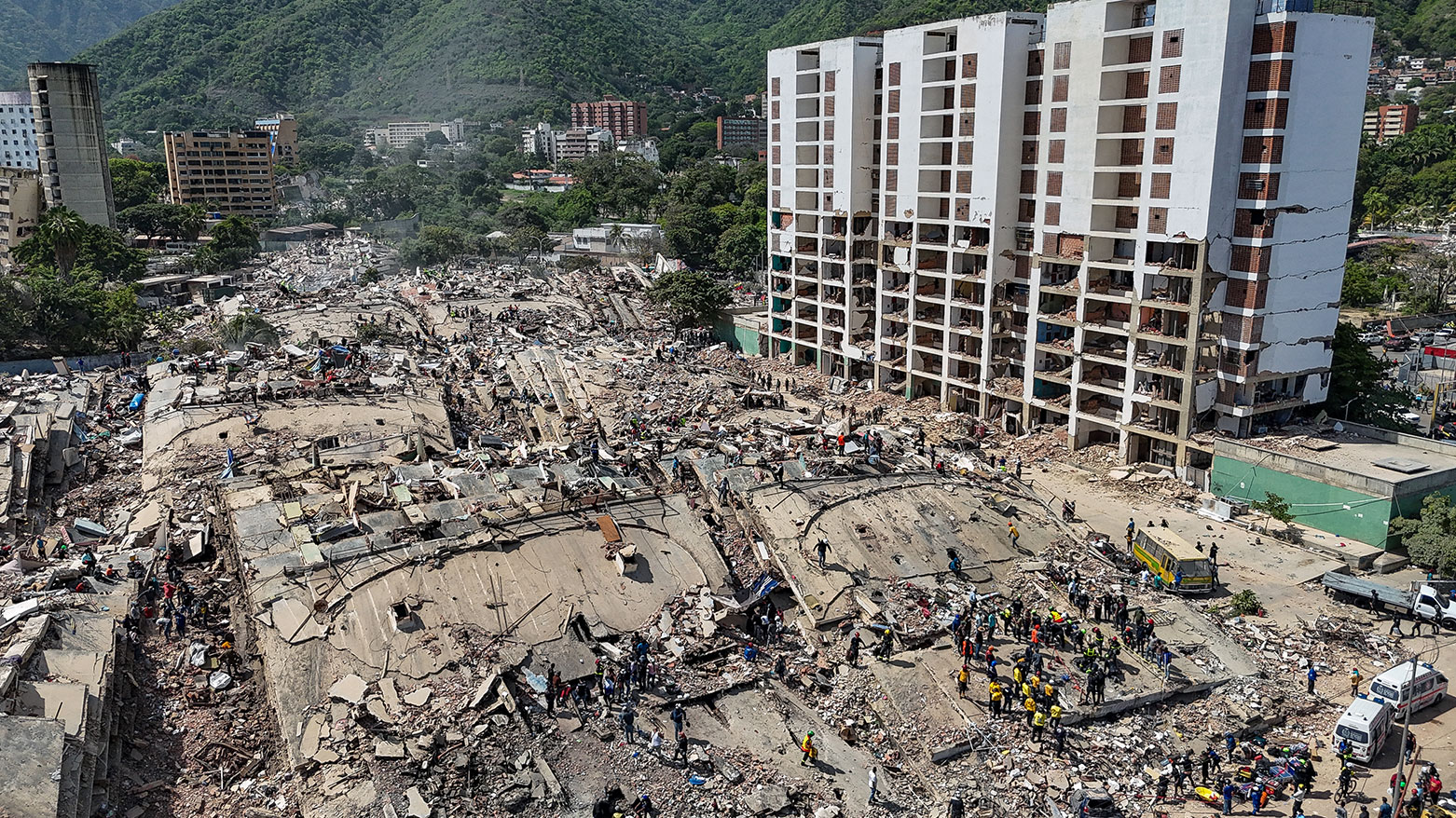
As the likelihood of finding survivors diminishes, public desperation is visibly hardening into anger.
In La Guaira, one of the hardest-hit coastal cities, Héctor Aguilera stood near a ruined structure, acknowledging the likely deaths of four trapped relatives but expressing profound helplessness over the lack of heavy equipment to retrieve their remains.
This localized grief is compounded by systemic delays. Some residents have openly urged military personnel to abandon their rifles in favor of picks and shovels. In the absence of swift municipal aid, civic order has frayed in parts of La Guaira, where instances of looting have emptied pharmacies and supermarkets.
Seeking to stabilize the situation, Interim President Delcy Rodriguez announced the rapid establishment of temporary encampments for the displaced.
She pledged that state planners are already conceptualizing new housing projects to replace the decimated neighborhoods, maintaining a publicly optimistic stance that ongoing rescue operations will not be halted prematurely.
The domestic response has been heavily supplemented by a massive influx of international support.
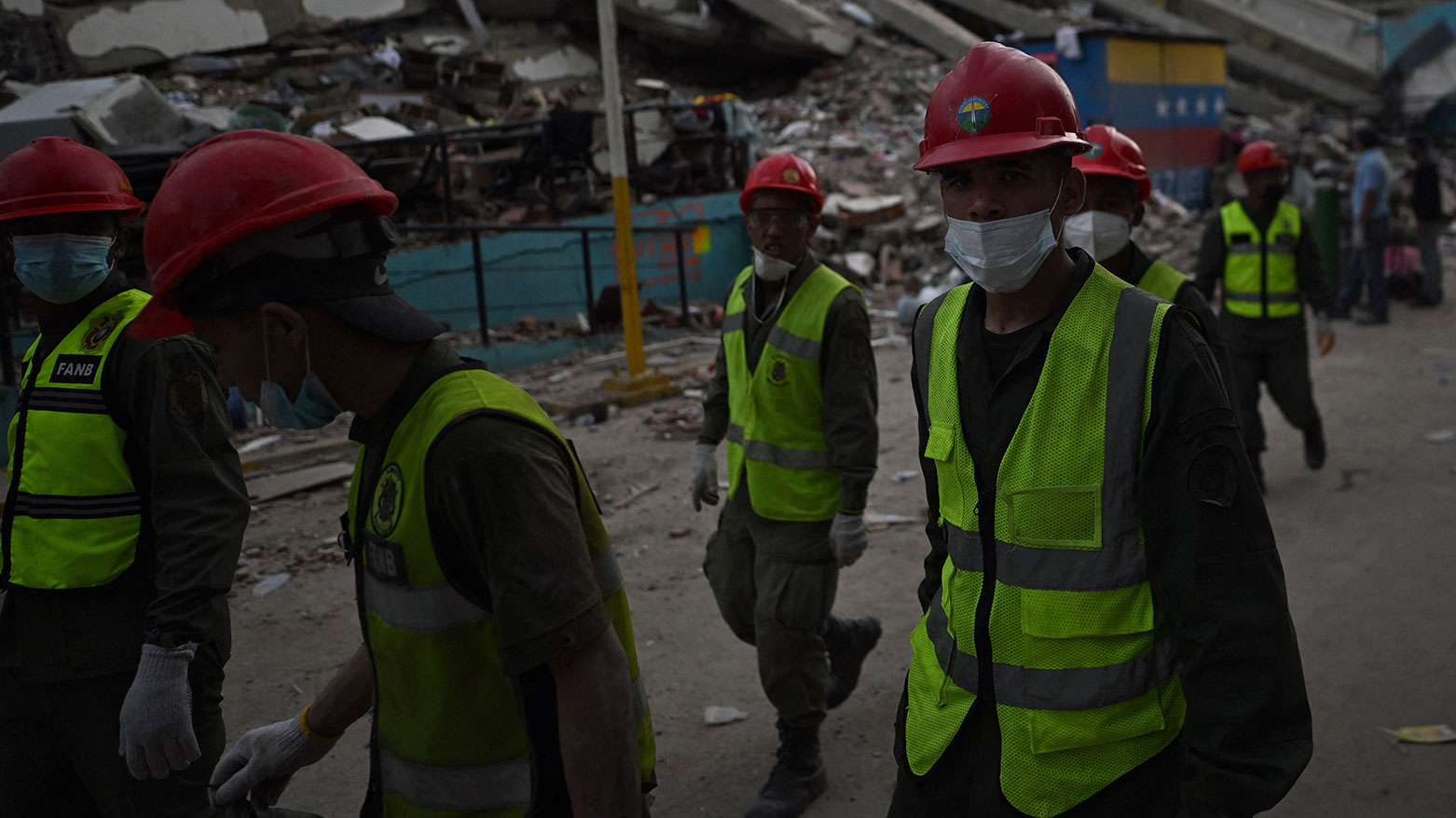
Twenty-four countries have mobilized a combined force of more than 2,700 search-and-rescue specialists, accompanied by 86 canine tracking units and over 500 tons of emergency supplies.
The United States has played a significant logistical role, deploying a 250-person disaster response team alongside military helicopters.
According to the US Southern Command, an additional 230 American military personnel are arriving to expand seaport and airport capacities, facilitating the rapid distribution of relief.
This cooperation unfolds just months after a US military operation in January captured former President Nicolas Maduro, signaling a complex but active international presence during the crisis.
Beyond the immediate physical devastation, the earthquakes threaten to precipitate a humanitarian catastrophe of staggering proportions.
The United Nations migration agency projects that up to 6.76 million Venezuelans could face critical shortages of shelter, potable water, sanitation, and essential medical care in the coming weeks.
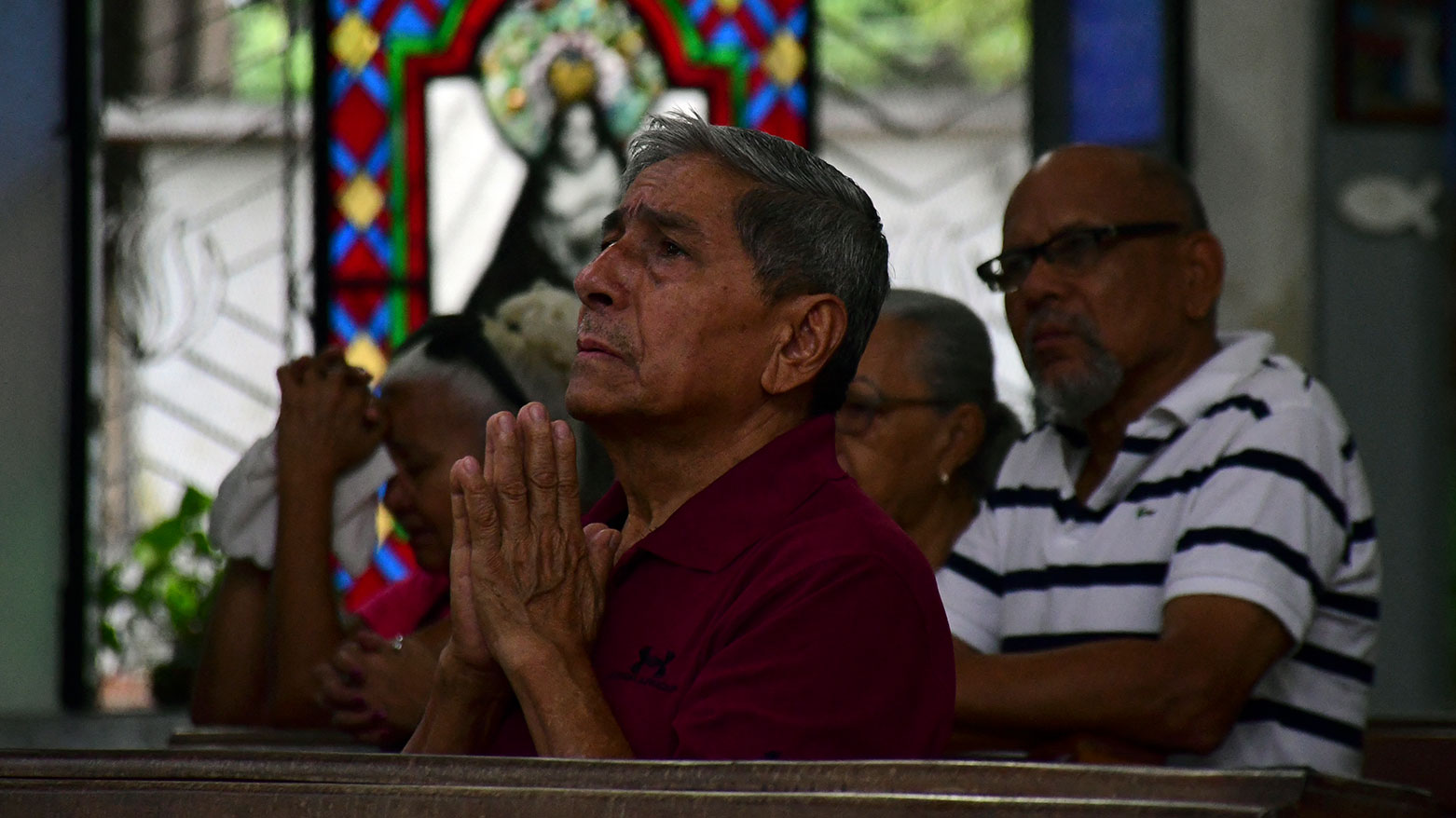
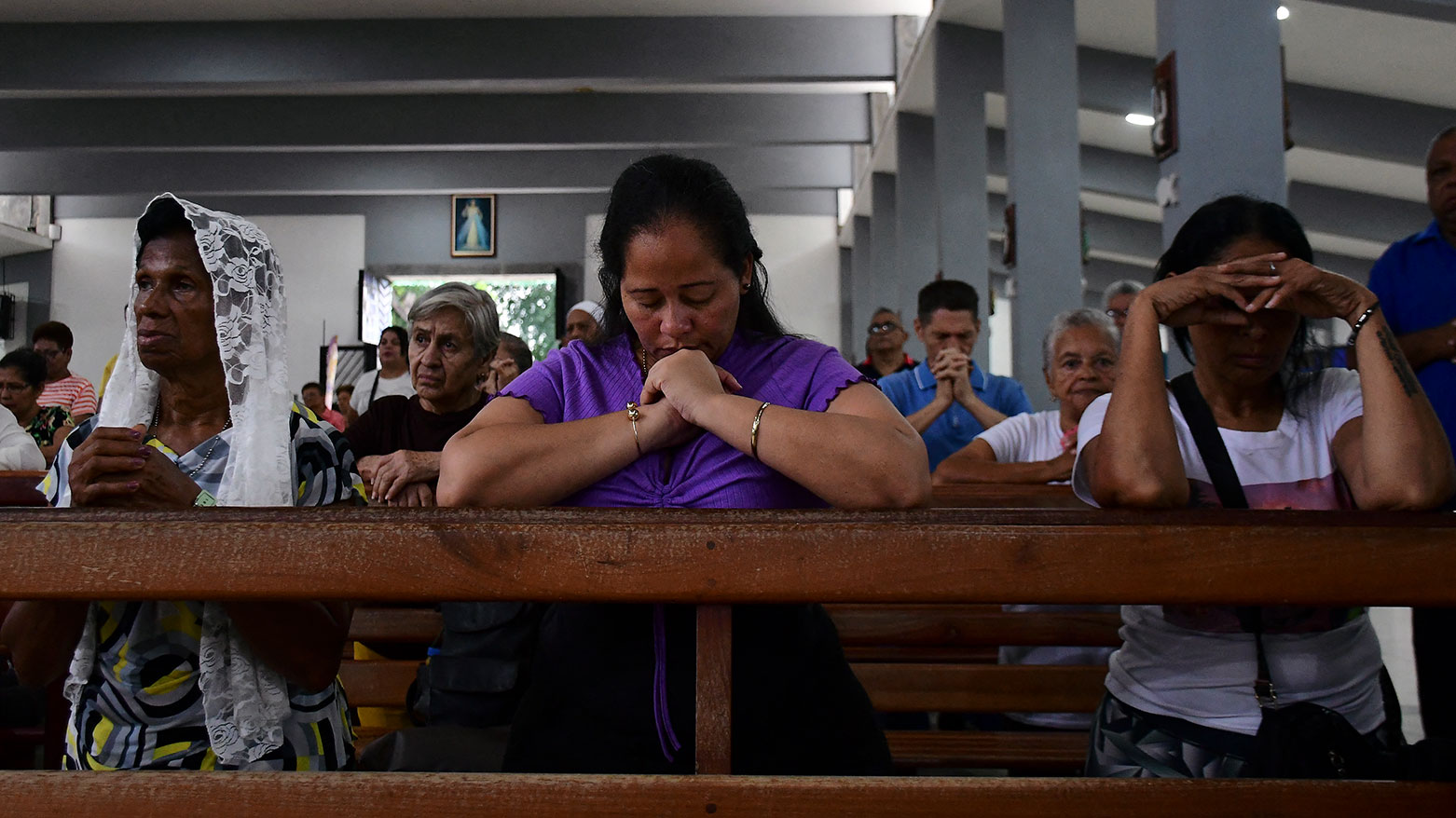
These seismic events represent the deadliest natural disaster to strike Venezuela in more than a century, arriving at an exceptionally vulnerable moment.
The nation has already endured a prolonged economic collapse that systematically hollowed out public services, depleted hospital resources, and triggered a mass exodus of its population.
With the United Nations estimating the physical earthquake damage at roughly $6.7 billion—amounting to six percent of the country's gross domestic product, the road to recovery will require far more than clearing the immediate rubble.
|
Summary Four days after devastating twin earthquakes struck Venezuela, the critical 72-hour window for finding survivors has closed. With the death toll surpassing 1,400, international teams are aiding recovery efforts amid mounting public frustration and an already severe national economic crisis. |