US, Iran to hold technical talks in Doha as negotiations shift toward implementing regional accord
Lower-level discussions to focus on the Strait of Hormuz, frozen Iranian assets, and ceasefire implementation
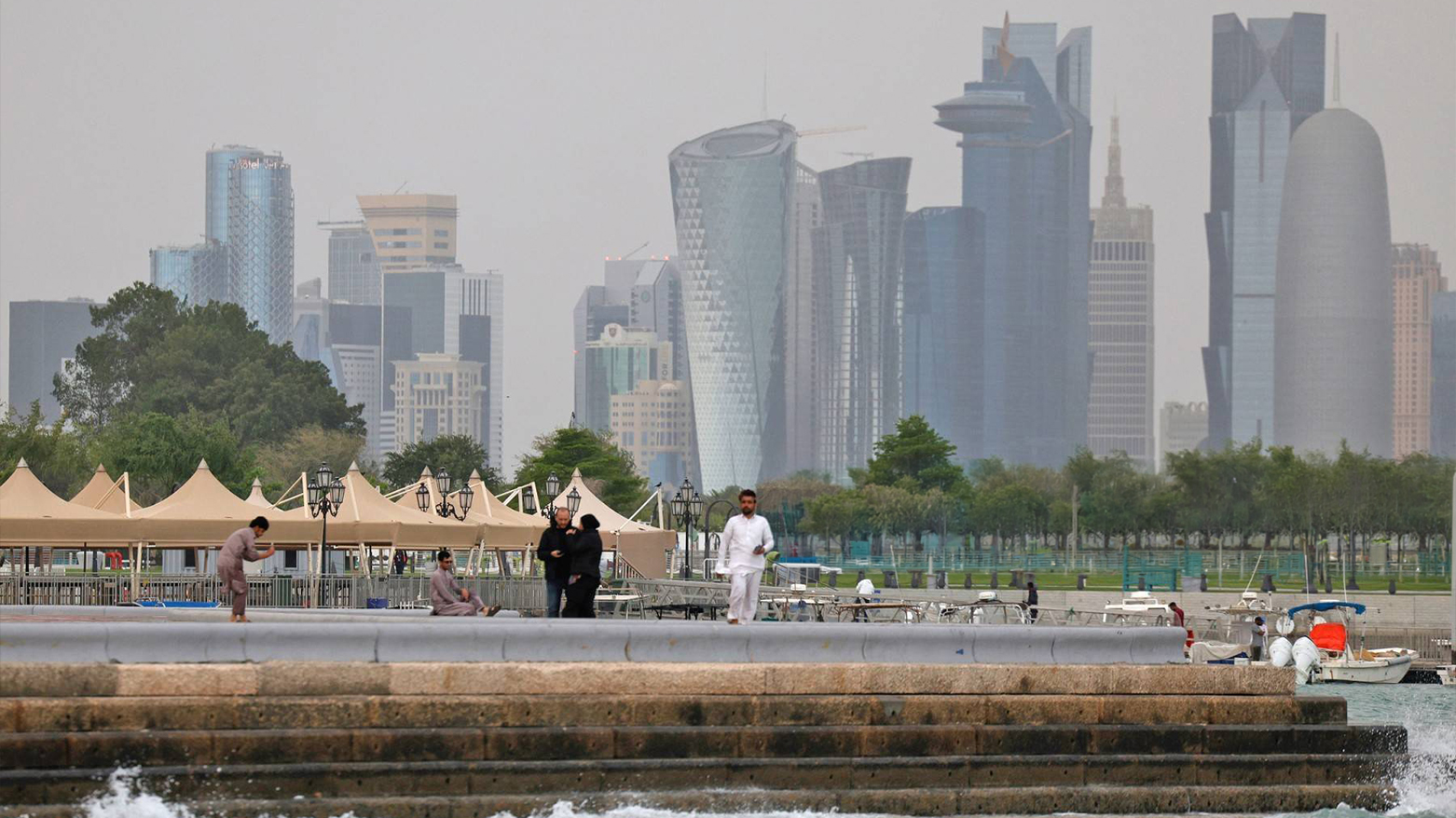
ERBIL (Kurdistan24) — The United States and Iran are set to hold indirect lower-level technical talks in Doha on Wednesday as the two sides seek to advance a framework agreement aimed at permanently ending months of conflict across the Middle East, a diplomat familiar with the negotiations told AFP.
According to the diplomat, US and Iranian officials will meet indirectly through Qatari and Pakistani mediators to discuss the memorandum of understanding (MoU) reached during the Lake Lucerne Summit in Switzerland and address technical aspects of its implementation.
The diplomat said senior US envoys Steve Witkoff and Jared Kushner will not participate in Wednesday's technical discussions, following their meetings with Qatari Prime Minister Sheikh Mohammed bin Abdulrahman Al Thani in Doha on Tuesday.
The talks come after US President Donald Trump announced on Monday that Iran had requested fresh negotiations in Qatar.
"IT WILL TAKE PLACE TOMORROW IN DOHA!" Trump wrote on social media.
Following the announcement, White House spokeswoman Karoline Leavitt told Fox News that Witkoff and Kushner would travel to Doha for high-level meetings. Qatar's Foreign Ministry later confirmed the pair met Sheikh Mohammed but clarified they were in the country to consult with Qatari officials and mediators rather than hold direct negotiations with the Iranian delegation.
Foreign Ministry spokesman Majed Al Ansari said the discussions covered mediation efforts involving both Iran and Lebanon.
Iran's delegation is being led by Deputy Foreign Minister Kazem Gharibabadi, according to Foreign Ministry spokesman Esmaeil Baqaei, who confirmed that Tehran would hold its first meeting with the mediators on Wednesday.
The technical negotiations are expected to focus on several unresolved issues central to the implementation of the agreement.
Among the most significant is the future of the Strait of Hormuz, the strategic waterway through which roughly a fifth of global oil supplies pass. The accord reportedly includes provisions for reopening the strait to unrestricted commercial shipping after recent disruptions.
Maritime traffic through the waterway declined over the weekend after a vessel was struck while transiting the strait on Saturday, underscoring continuing security concerns.
A US official said discussions would continue on "all areas of the MoU," while Iran has also held separate consultations with Oman regarding what it described as the "future management" of vessels passing through the strait.
Another major issue is the release of Iranian funds frozen under US sanctions.
Iranian President Masoud Pezeshkian said Monday that procedures to unfreeze the assets were underway, stating that $6 billion of an estimated $12 billion in restricted Iranian funds would soon be released.
Baqaei said Tehran would also discuss with Qatari officials the implementation of provisions concerning the release of Iran's restricted assets.
Although the agreement has significantly reduced hostilities, tensions have persisted since its signing.
The United States and Iran have exchanged sporadic military strikes in the Gulf, largely linked to Tehran's enforcement of its claims over the Strait of Hormuz.
Over the weekend, US Central Command said it had struck 10 Iranian military targets in response to what it described as continued Iranian attacks against commercial shipping. Iran said it retaliated by targeting US military facilities in Kuwait and Bahrain, prompting condemnation from both Gulf states.
Iranian chief negotiator Mohammad Bagher Ghalibaf acknowledged on Tuesday that implementing the agreement would inevitably prove difficult.
"When a war of this magnitude comes to an end, it is inevitable that there will be implementation challenges, incidents, and differences of opinion, especially where parties such as the Israeli regime are concerned," Ghalibaf said in a televised interview.
He added that Iran's delegation would prioritize implementation of provisions related to the Strait of Hormuz and the conflict in Lebanon.
"Naturally, the Islamic Republic is committed to ensuring that the agreement is implemented, and the enemy, the United States and its ally, must also fulfil their commitments," he said.
Despite the recent exchanges, violence has eased in the days leading up to the Doha talks.
On the Lebanese front, fighting between Israel and Hezbollah has remained relatively subdued, although Tehran continues to insist that any lasting regional settlement must include an end to the parallel conflict, the withdrawal of Israeli forces from southern Lebanon, and full implementation of the agreement's security provisions.
Wednesday's technical discussions are expected to determine how quickly the broader political understandings reached in recent weeks can be translated into concrete measures aimed at stabilizing the Gulf, securing maritime navigation, and preventing a renewed regional escalation.