Lebanon's President Urges US Support as Washington Pushes Israel-Hezbollah Peace Framework
Joseph Aoun calls for continued American backing as ceasefire holds, while Hezbollah rejects US-backed disarmament proposal and Israeli strikes persist
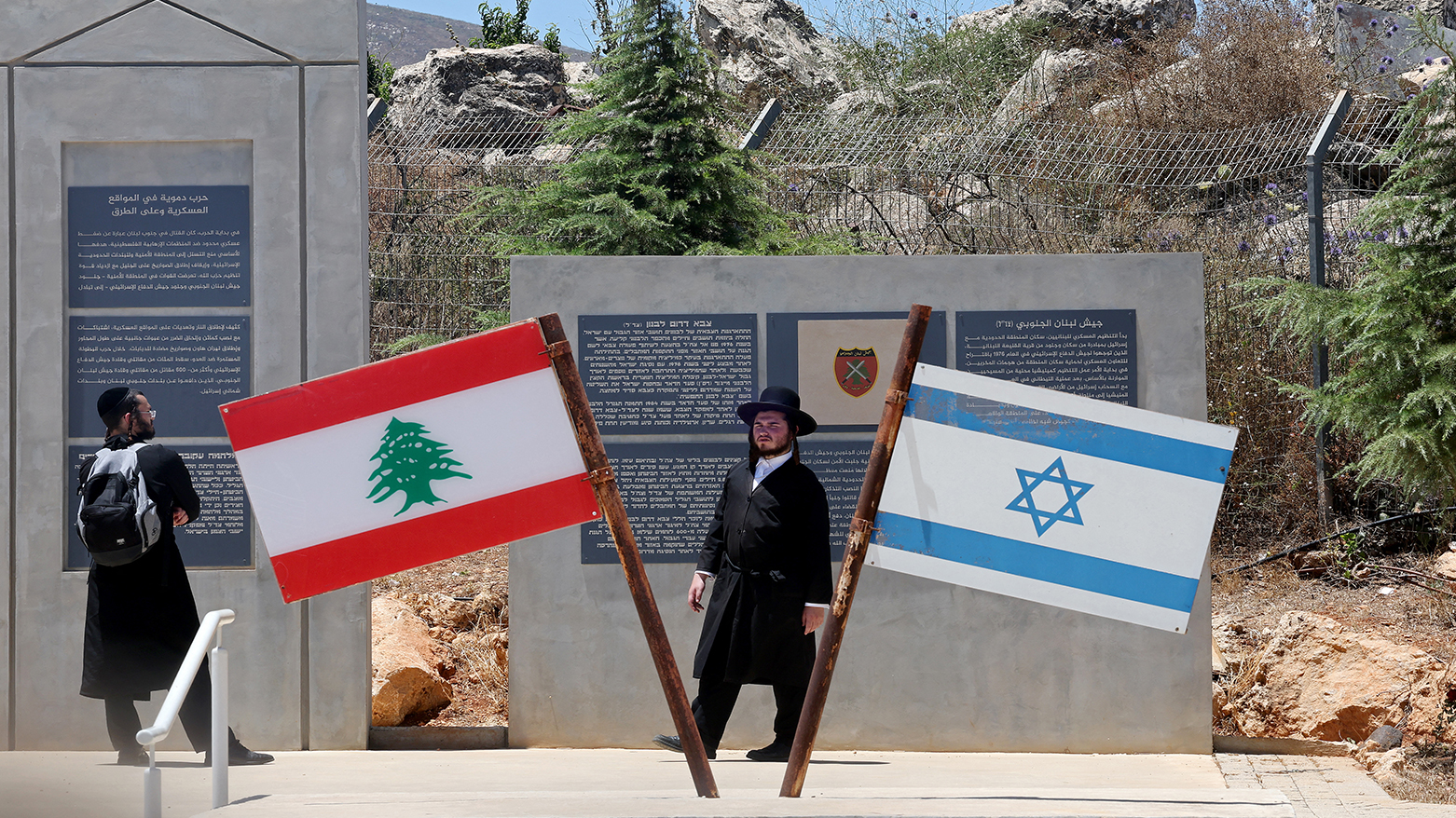
ERBIL (Kurdistan24) — Lebanese President Joseph Aoun on Saturday urged the United States to continue supporting Lebanon's sovereignty, institutions, and people, as Washington presses ahead with a US-backed framework agreement aimed at permanently ending hostilities between Israel and Hezbollah following their latest war.
In a message congratulating U.S. President Donald Trump on the 250th anniversary of American independence, Aoun called on Washington to "always keep standing beside Lebanon's right and just causes, its institutions, army and people."
The Lebanese president also expressed hope that the country could "turn the page on wars... and open a new page of hope, peace and stability."
His remarks came days after Lebanon and Israel agreed to a US-backed framework intended to transform last month's ceasefire into a lasting peace arrangement. The proposal, negotiated in Washington, envisions the gradual disarmament of the Iran-backed Hezbollah movement, a phased Israeli withdrawal from southern Lebanon, and the deployment of the Lebanese Armed Forces across the border region, beginning with two designated "pilot" areas.
Hezbollah has rejected the framework, arguing that it does not include a clear timetable for a full Israeli military withdrawal from southern Lebanon.
Marking the US Independence Day celebrations, the US Embassy in Beirut reaffirmed Washington's support for Lebanon, saying in a message posted on X that it stood "with the people of Lebanon as they forge a brighter future — one of peace, prosperity, and promise long overdue."
The latest diplomatic efforts follow months of intense fighting that erupted after Hezbollah launched rocket attacks against Israel on March 2, saying the assault was in retaliation for the killing of Iran's Supreme Leader in joint US-Israeli strikes days earlier.
Israel responded with extensive airstrikes across Lebanon and launched a ground offensive into the country's south, where Israeli forces continue to maintain positions in several areas near the border despite the ceasefire.
A broader agreement reached between Tehran and Washington last month to end the regional conflict also established a ceasefire in Lebanon, which entered into force on June 21. Days later, Beirut and Tel Aviv accepted the US-backed framework designed to pave the way for a permanent cessation of hostilities.
Despite the truce, security incidents have continued.
Lebanon's state-run National News Agency (NNA) reported that an Israeli strike on the southern village of Mansouri on Saturday wounded one person, while Israeli artillery also shelled other areas in southern Lebanon.
Meanwhile, the humanitarian situation remains severe despite the ceasefire.
According to the United Nations' International Organization for Migration (IOM), more than 640,000 displaced people have returned to their homes since June 22. Lebanese authorities estimate that the conflict killed around 4,300 people and displaced more than one million others.
However, thousands of residents remain unable to return to villages along the southern border because Israeli troops are still deployed in parts of the area and widespread destruction has rendered many communities uninhabitable.
During a visit on Saturday to the heavily damaged southern city of Nabatieh, Lebanese Social Affairs Minister Haneen Sayed said the government was preparing measures to facilitate the return of displaced families.
She said authorities were developing a recovery plan that includes prefabricated housing units and rental assistance for residents whose homes were destroyed or remain inaccessible.
The ceasefire and proposed peace framework represent the most significant diplomatic effort in years to stabilize Lebanon's southern frontier. However, Hezbollah's rejection of the agreement, Israel's continued military presence in parts of southern Lebanon, and intermittent cross-border strikes underscore the fragile nature of the truce and the challenges facing efforts to secure a lasting peace.