Israel Military Chief Visits Beaufort Castle, Warns of Continued Operations Against Hezbollah
Zamir told troops that the Israel Defense Forces (IDF) would "continue to operate decisively to remove threats from Lebanese territory" and remain prepared to "transition rapidly to offensive operations should the ceasefire be violated."
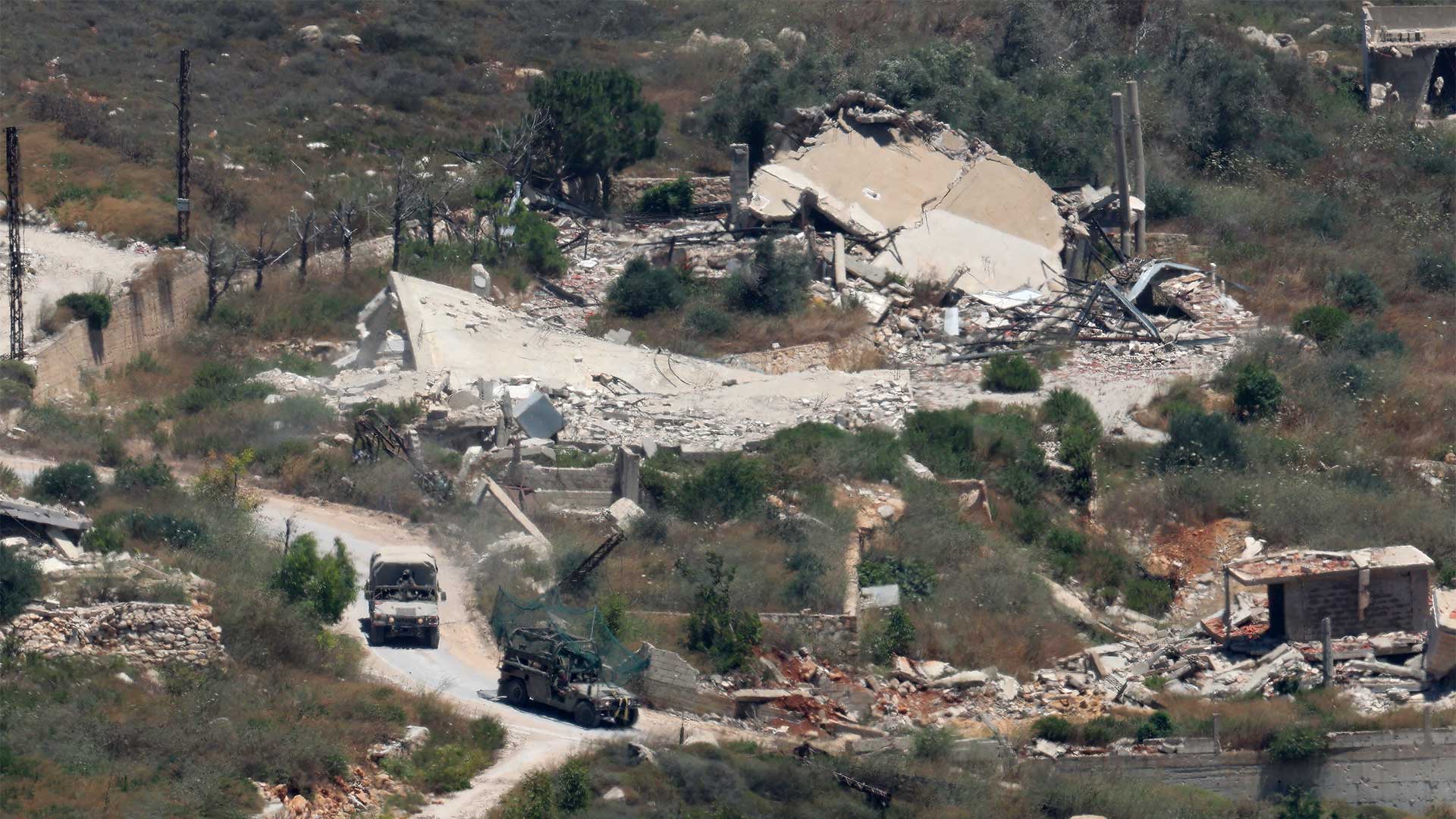
ERBIL (Kurdistan24) – Israel's military chief, Lieutenant General Eyal Zamir, visited Israeli forces deployed around the strategic Beaufort Castle in southern Lebanon on Sunday, reaffirming that the Israeli military will continue operations against Hezbollah and respond forcefully to any ceasefire violations.
According to a statement issued by the Israeli military, Zamir told troops that the Israel Defense Forces (IDF) would "continue to operate decisively to remove threats from Lebanese territory" and remain prepared to "transition rapidly to offensive operations should the ceasefire be violated."
"Our troops' activities at the Beaufort Ridge and throughout southern Lebanon are being carried out in accordance with the framework of the agreement and the mechanisms established under it," Zamir said, referring to the recent U.S.-brokered agreement between Israel and Lebanon aimed at permanently ending hostilities.
He added that any threat targeting Israeli troops or civilians would be "struck immediately and eliminated."
During the visit, Zamir also called on the Lebanese Armed Forces to fulfill their commitments under the ceasefire agreement by removing Hezbollah fighters and dismantling the group's military infrastructure in southern Lebanon.
Israeli forces recently captured the Crusader-era Beaufort Castle and its surrounding area, securing a strategic position overlooking parts of southern Lebanon. The Israeli military said it uncovered an extensive tunnel network beneath the fortress, alleging that Hezbollah had developed the site into a fortified operational base just a few kilometers from the Israeli border.
The castle has long held strategic significance. Israeli forces first seized the fortress during their 1982 invasion of Lebanon after fierce fighting with Palestinian militants who had established positions within its historic underground tunnels. The site sustained heavy damage during the battle and later served as one of Israel's main observation posts until its withdrawal from southern Lebanon in 2000.
The latest escalation follows Hezbollah's entry into the broader Middle East conflict on March 2, when the group launched rockets into northern Israel, saying the attacks were in retaliation for the killing of Iran's Supreme Leader, Ali Khamenei, in U.S.-Israeli strikes days earlier.
Israel responded with extensive airstrikes and a ground offensive in southern Lebanon, where Israeli troops continue to maintain positions in areas near the border despite the ceasefire agreement.