Iran-Qatar Maritime Trade Resumes After Five-Month Suspension
Iran's commercial attaché in Doha, Abbas Abdolkhani, told Iranian state media on Sunday that shipping operations between Iran's Dayyer Port and Qatar's Al Ruwais Port had officially restarted after coordination between the Iranian embassy in Doha and Qatari authorities.
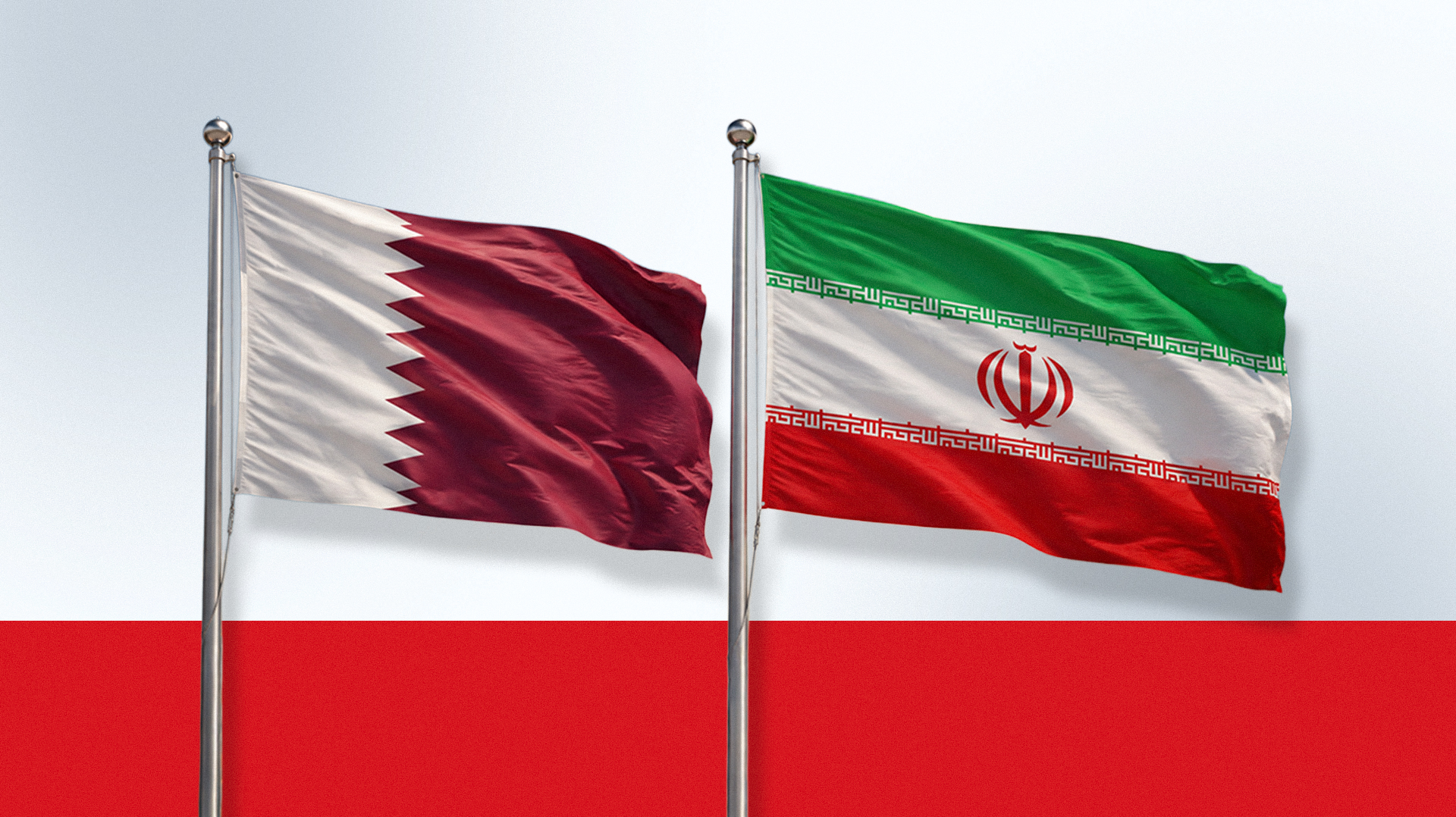
ERBIL (Kurdistan24) – Maritime trade between Iran and Qatar has resumed after a suspension of approximately five months, marking another step toward the gradual normalization of regional commerce following the end of the recent conflict between Iran and the United States.
Iran's commercial attaché in Doha, Abbas Abdolkhani, told Iranian state media on Sunday that shipping operations between Iran's Dayyer Port and Qatar's Al Ruwais Port had officially restarted after coordination between the Iranian embassy in Doha and Qatari authorities.
The resumption restores a key maritime trade route linking the two Gulf nations. The ports primarily facilitate regional commercial exchanges, including the movement of food products, construction materials, and other consumer goods.
Trade along the route had been suspended during the four-month conflict, during which Iran's Dayyer Port was struck multiple times.
The reopening follows an interim agreement reached last month between Tehran and Washington that formally ended hostilities. As part of the accord, both sides agreed to restore pre-war maritime traffic in the Gulf, although shipping through parts of the strategic waterway remains subject to ongoing security concerns and operational restrictions.
The renewed Iran-Qatar shipping link is the latest indication that commercial activity across the Gulf is gradually recovering.
In late June, an official from Iran's Trade Promotion Organization announced that Iranian goods had resumed clearance at the United Arab Emirates' Jebel Ali Port, the region's largest commercial port. The development signaled the gradual restoration of trade flows between Iran and the Arab states across the Gulf after months of disruption.
Maritime trade across the Gulf was severely disrupted during the four-month Iran-U.S. conflict, with commercial shipping routes affected by military operations and heightened security risks. Several Iranian ports, including Dayyer, sustained damage during the fighting, while cargo movements between Iran and its Gulf neighbors slowed significantly.
The interim ceasefire agreement reached last month paved the way for the reopening of maritime trade routes and the normalization of commercial activities. Although shipping traffic has begun to recover, some transit routes into and out of the Gulf continue to face operational and security challenges, reflecting the fragile nature of the post-conflict environment.