U.S. Identifies Soldier Killed in Incident at Erbil Air Base
According to a department statement, Sgt. Michael Emmanuel Swinton, 30, of Fayetteville, North Carolina, was killed in action on Sunday, during a controlled detonation of a downed one-way unmanned aerial system (UAS) at the base. The incident remains under investigation.
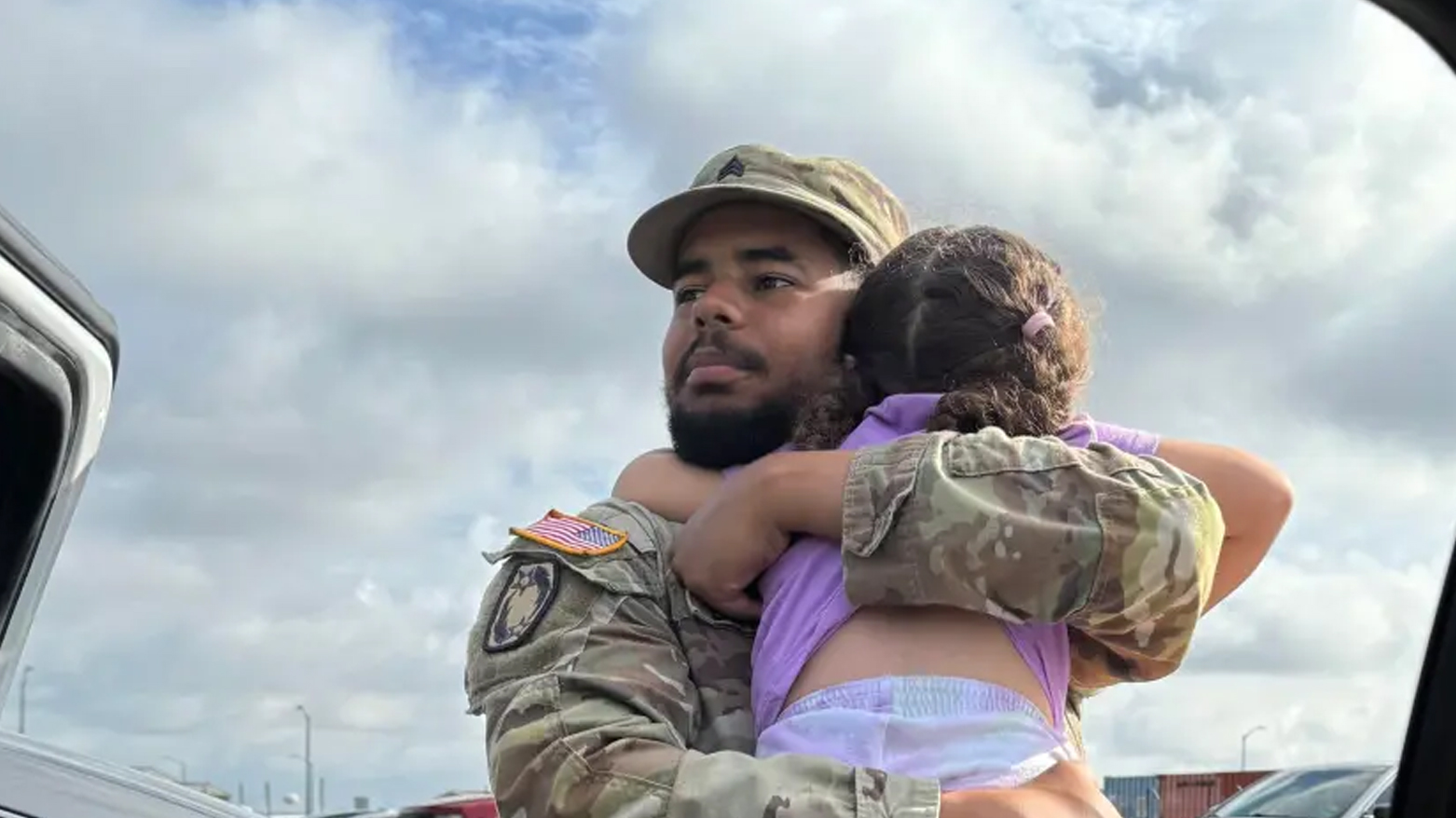
ERBIL (Kurdistan24) – The U.S. Department of War on Tuesday identified the American soldier killed during a controlled detonation of a downed one-way attack drone at Erbil Air Base.
According to a department statement, Sgt. Michael Emmanuel Swinton, 30, of Fayetteville, North Carolina, was killed in action on Sunday, during a controlled detonation of a downed one-way unmanned aerial system (UAS) at the base. The incident remains under investigation.
Swinton was assigned to D Battery, 2nd Battalion, 55th Air Defense Artillery Regiment, 108th Air Defense Artillery Brigade, based at Fort Bragg, North Carolina.
The announcement follows a statement issued by U.S. Central Command (CENTCOM) on Sunday confirming that a U.S. service member had been killed in Erbil during the controlled disposal of unexploded ordnance from a downed Iranian one-way attack drone.
CENTCOM also said a second service member was wounded in the incident and continues to receive medical treatment for a minor injury. At the time, the command withheld the identities of the casualties until their families had been notified.
The Erbil incident came amid heightened regional tensions. In the same statement, CENTCOM said two U.S. service members had been killed and a third reported missing in Jordan following an Iranian attack on July 17. The command later said unidentified human remains had been recovered at the site and were undergoing examination to confirm their identity.
CENTCOM said it would continue to withhold further details on both incidents while notification and identification procedures are completed, emphasizing the sensitivity of the ongoing process.