Trump Approves Nuclear Deal Giving Saudi Arabia Uranium Enrichment Rights Without Full International Safeguards
The agreement, negotiated since October 2025, gives Riyadh access to civilian nuclear technology and domestic enrichment rights while bypassing the IAEA's Additional Protocol, raising proliferation concerns across the region and on Capitol Hill
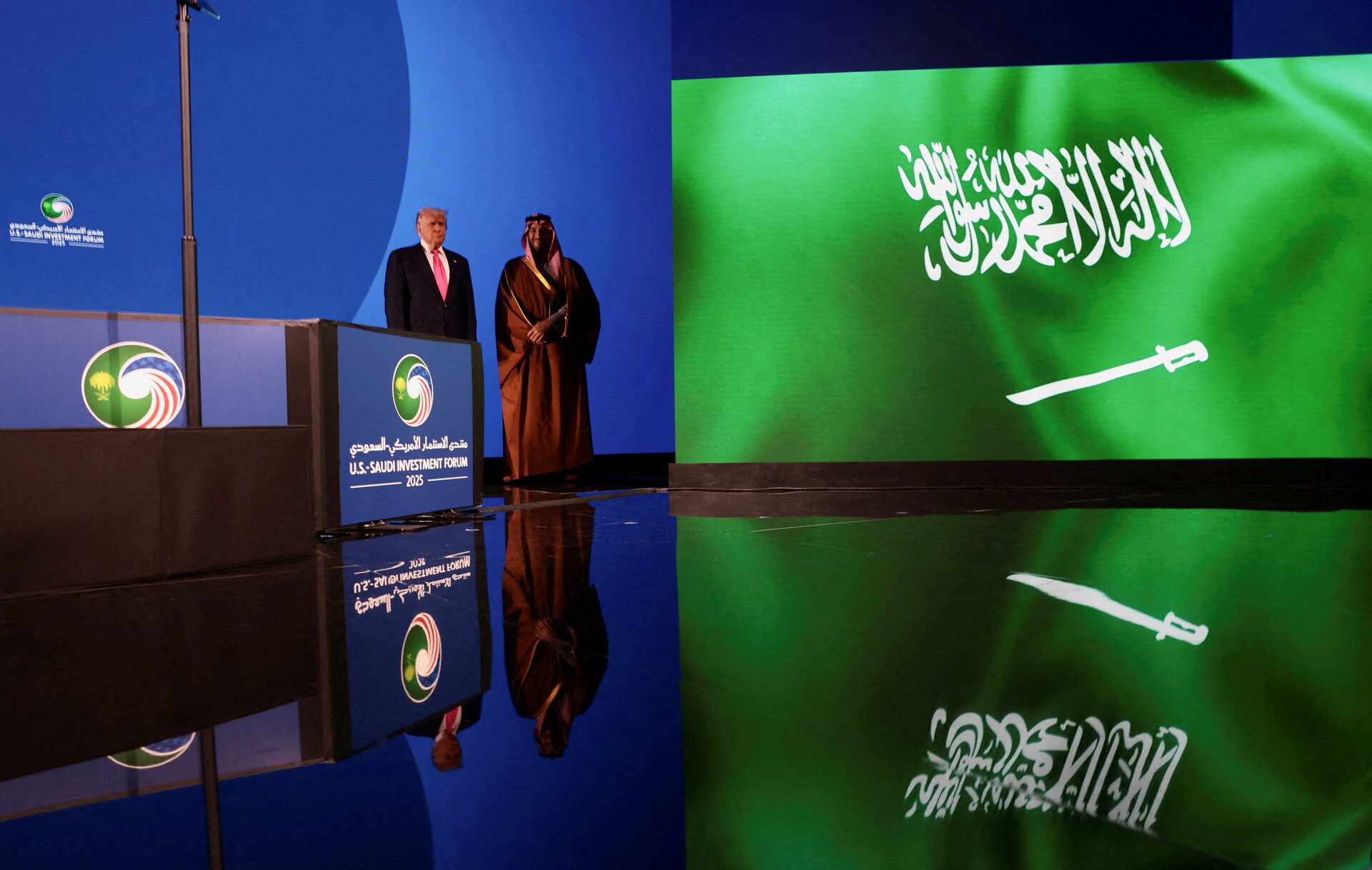
ERBIL (Kurdistan 24) - President Donald Trump has approved a landmark civilian nuclear cooperation agreement with Saudi Arabia that would allow Riyadh to enrich uranium on its own soil without the enhanced international safeguards designed to prevent nuclear weapons development, the Wall Street Journal reported Wednesday, in a disclosure that immediately ignited a fierce debate over nuclear proliferation, regional security, and the contradiction of America bombing Iran for its uranium enrichment programme while simultaneously extending equivalent rights to its Gulf ally.
Reuters reported on Wednesday that the Trump administration is expected to submit the agreement, known formally as a 123 Agreement, to Congress in the coming days. The deal was fully negotiated and concluded in October 2025 but had been sitting unsigned, awaiting Trump's formal approval, as CNN confirmed Saturday, July 18, 2026, citing draft documents and sources familiar with the matter.
The agreement would not require the enhanced International Atomic Energy Agency safeguards known as the Additional Protocol, which gives inspectors broader access to nuclear facilities and is designed to help detect undeclared nuclear activities, according to CNN's review of the documents. Instead, it would rely on a bilateral US-Saudi safeguards arrangement that critics say falls far short of the verification standards Washington has demanded of other countries seeking civilian nuclear programmes.
The delay in signing had been driven in large part by the political difficulty of the timing. The ongoing US war with Iran caused the delay. It is difficult for Trump to approve the document, since he justified the campaign against Tehran precisely by the need to stop Iranian uranium enrichment. The White House also feared that the deal would provoke bipartisan resistance in Congress and be blocked by a congressional resolution, according to sources familiar with internal deliberations cited by CNN.
Saudi Arabia has long pursued a domestic nuclear industry, publicly arguing that it wants to develop its own uranium resources, diversify its energy mix away from crude oil dependence, free up more crude for export, and power industrial and desalination projects. Riyadh has also consistently argued that as a signatory to the Nuclear Non-Proliferation Treaty it carries the same rights as other member states to enrich uranium for peaceful purposes.
The deal, if implemented as described, would represent a fundamental departure from Washington's long-standing "gold standard" approach to civilian nuclear cooperation. As CNN reported on Saturday, the UAE set that gold standard in 2009 by permanently renouncing uranium enrichment and plutonium reprocessing as conditions for receiving American nuclear cooperation, an arrangement widely viewed as the benchmark for responsible civilian nuclear development in the region.
Crown Prince Mohammed bin Salman has previously made explicit statements about Saudi Arabia's nuclear ambitions. In a widely noted 2018 interview, the Crown Prince stated that if Iran developed a nuclear weapon, Saudi Arabia would seek one as well, a position he has not publicly retracted. That backdrop gives the deal's absence of enhanced IAEA safeguards particular strategic weight, as experts warn it could provide Riyadh with a latent pathway to weapons-grade enrichment that Washington would find difficult to close retroactively.
The proliferation concern extends beyond Saudi Arabia's own intentions. Non-proliferation analysts have warned that if the United States grants Saudi Arabia a nuclear cooperation agreement without standard safeguards, it effectively signals to other nuclear supplier states, including Russia and China, that they may do the same for their own regional allies, potentially rendering the broader Nuclear Non-Proliferation Treaty framework obsolete as a practical matter.
The congressional submission expected in the coming days will trigger a mandatory review period under US law, during which lawmakers from both parties can examine and potentially block the agreement. The Jerusalem Post reported on Wednesday that sources described the deal as lacking safeguards, a characterization that is likely to fuel opposition from non-proliferation advocates and lawmakers who view the Additional Protocol as a minimum acceptable standard for any civilian nuclear arrangement.
The timing of Trump's approval, announced on the same day US forces launched their seventh consecutive night of strikes against Iran for its nuclear programme and its attacks on commercial shipping, has drawn sharp attention to the internal tension at the heart of American Middle East policy: a sustained military campaign against Iran justified in part by Tehran's enrichment activities, proceeding in parallel with a civilian nuclear agreement extending comparable enrichment rights to Saudi Arabia without the safeguards Washington has insisted Iran accept as a precondition for any nuclear deal.
|
BRIEF: |