Iran Pressed Iraq to Repay $11 Billion Gas Debt: Alhurra
The report noted that Iraq faces major obstacles in repaying the debt in U.S. dollars because of U.S. sanctions on Iran and related banking restrictions.
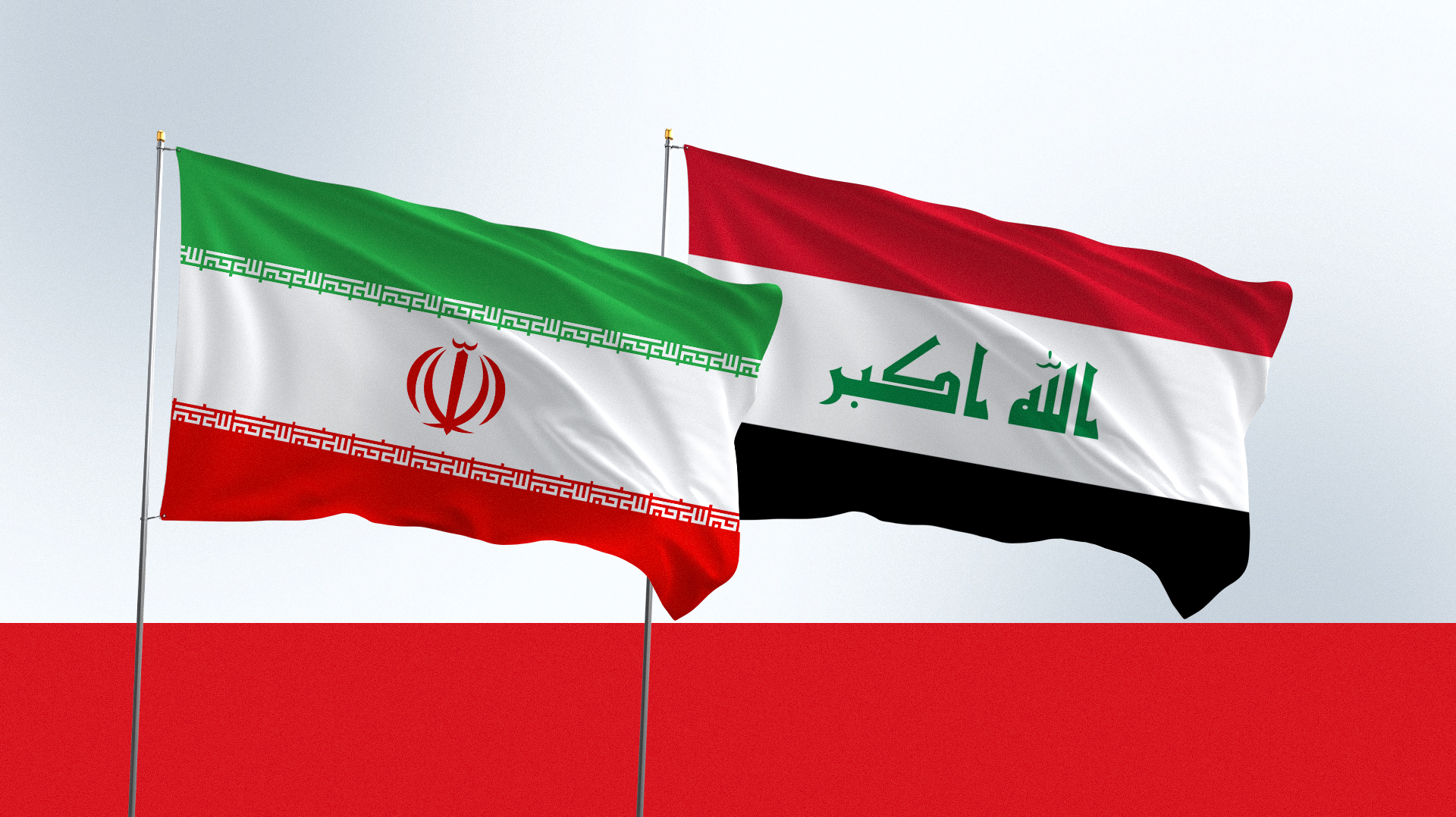
ERBIL (Kurdistan24) – Iranian officials pressed Iraq to repay $11 billion in outstanding debt accumulated from years of Iraqi imports of Iranian natural gas, according to a report by Alhurra citing two Iraqi sources.
The sources, one close to the Iraqi government and the other an Iraqi diplomat, told the U.S.-funded outlet that Baghdad informed Iranian officials it could not currently pay the full amount. Instead, it proposed transferring $1 billion to Saudi Arabia to cover Hajj-related fees owed by Iran, but Tehran rejected the proposal and insisted the funds be paid directly to Iran.
The report noted that Iraq faces major obstacles in repaying the debt in U.S. dollars because of U.S. sanctions on Iran and related banking restrictions. Public estimates have previously placed Iraq's frozen debt to Iran for natural gas imports at around $11 billion.
Alhurra added that Iraq has previously used frozen Iranian funds for limited purposes, including covering expenses related to Iranian pilgrims, under arrangements designed to comply with U.S. sanctions.
The report also said Iraq sought assurances from Tehran that its oil tankers would be allowed to pass safely through the Strait of Hormuz amid ongoing disruptions in the strategic waterway.
According to one source, Iranian President Masoud Pezeshkian said Iranian authorities had already recommended exempting Iraqi vessels from any restrictions. However, Iranian officials reportedly declined Baghdad's request to include that commitment in the joint statement issued after the visit.
For years, Iraq has depended on Iranian natural gas and electricity to meet part of its domestic energy needs. In early 2025, the United States revoked sanctions waivers that had allowed Iraq to make certain energy-related payments to Iran, further complicating financial transactions between the two countries.