Iran Reports Six More Vessels Turned Back in Strait of Hormuz
Iranian state media says six vessels were forced to reverse course after allegedly using unauthorized routes, underscoring continued security concerns in the world's most critical energy corridor.
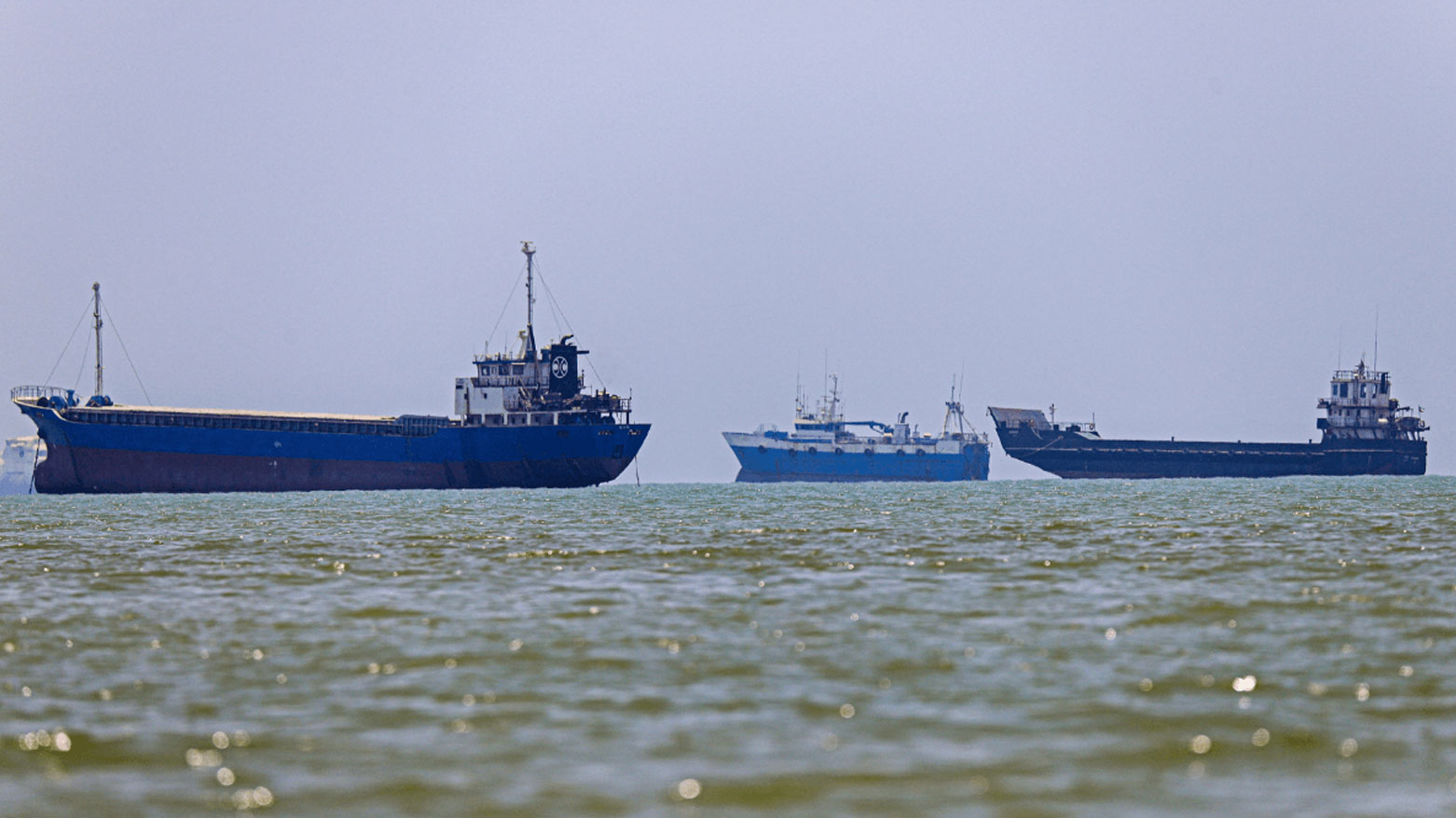
ERBIL (Kurdistan24) - Iranian authorities reported early Monday that six additional vessels were prevented from transiting the Strait of Hormuz after allegedly attempting to use routes not authorized by Tehran, marking the latest maritime security incident in one of the world's most strategically significant waterways.
According to Iranian state television, citing official sources, the vessels had reportedly switched off their maritime tracking systems before entering what Iranian authorities described as a restricted southern passage.
State media said naval forces fired warning shots before compelling the ships to reverse course, while also reporting that one vessel was involved in an unspecified "incident."
Officials did not disclose further details, and no independent confirmation of damage or other consequences was immediately available.
The reported operation follows statements carried by Iranian state media and reported by Agence France-Presse (AFP) that the Islamic Revolutionary Guard Corps (IRGC) Navy recently turned back vessels attempting to navigate through routes Tehran says fall outside its approved transit corridors.
Iranian authorities maintain that such enforcement is necessary to regulate navigation through the Strait of Hormuz, a waterway that remains central to regional security and global energy supplies.
The latest episode illustrates how maritime traffic continues to be a focal point in the broader confrontation affecting Gulf shipping.
Monday's reported interceptions also came only a day after Iranian authorities announced another operation in the same waterway involving six vessels, highlighting a pattern of increasingly assertive maritime enforcement.
While Iranian officials have repeatedly described the actions as efforts to uphold navigational regulations, the incidents have added to uncertainty for commercial operators transiting the narrow passage that connects the Persian Gulf to international markets.
Iranian state media further alleged that the intercepted vessels attempted to navigate outside designated channels with their tracking systems disabled.
Those claims have not been independently verified, and authorities have not publicly identified the vessels, their ownership, or their destinations.
The repeated enforcement actions come against the backdrop of heightened tensions in the Gulf, even as direct military exchanges between the United States and Iran have recently subsided.
According to The Associated Press (AP), both sides have paused major attacks following nearly two weeks of escalating confrontation, creating space for renewed diplomatic engagement through regional mediators.
That diplomatic effort has included discussions involving Oman aimed at reducing tensions and addressing maritime security in the Strait of Hormuz.
Iranian officials have said talks with Muscat regarding navigation and safe passage remain ongoing, while U.S. officials have also pointed to continued engagement through multiple diplomatic channels intended to prevent a renewed escalation.
Despite the reduction in direct military operations, commercial shipping has yet to return to normal levels.
AP reported that maritime monitoring indicates traffic through the Strait of Hormuz remains below typical volumes, reflecting continued caution among shipping companies navigating the region.
The strategic waterway carries a significant share of global seaborne oil exports, meaning even limited disruptions can reverberate across international energy markets and supply chains.
The maritime situation remains closely tied to broader regional diplomacy.
Negotiations surrounding Iran's nuclear program, security arrangements in the Gulf, and freedom of navigation continue to shape discussions between regional and international actors seeking to prevent another cycle of military confrontation.
At the same time, uncertainty persists for commercial operators.
Although recent diplomatic contacts and the pause in direct U.S.-Iran hostilities have eased immediate fears of broader conflict, repeated reports of vessel interceptions underscore the fragile security environment surrounding one of the world's busiest energy corridors.
For now, the latest reported operation reinforces Iran's stated determination to regulate maritime transit through the Strait of Hormuz according to its own procedures, while leaving shipping companies and regional governments closely watching whether diplomatic efforts can translate into greater stability for Gulf navigation.
|
Summary Iranian state media reported that six additional vessels were turned back in the Strait of Hormuz after allegedly using unauthorized routes and disabling tracking systems. The latest incident highlights persistent maritime tensions despite a recent pause in direct U.S.-Iran military exchanges. |