KRG Seeks to Institutionalize Ties with Baghdad, Says Senior Official
In an exclusive interview with Kurdistan24, Umed Sabah, Head of the Diwan of the KRG Council of Ministers, said the improved cooperation reflects the close coordination between Kurdistan Region Prime Minister Masrour Barzani and Iraqi Prime Minister Ali al-Zaidi.
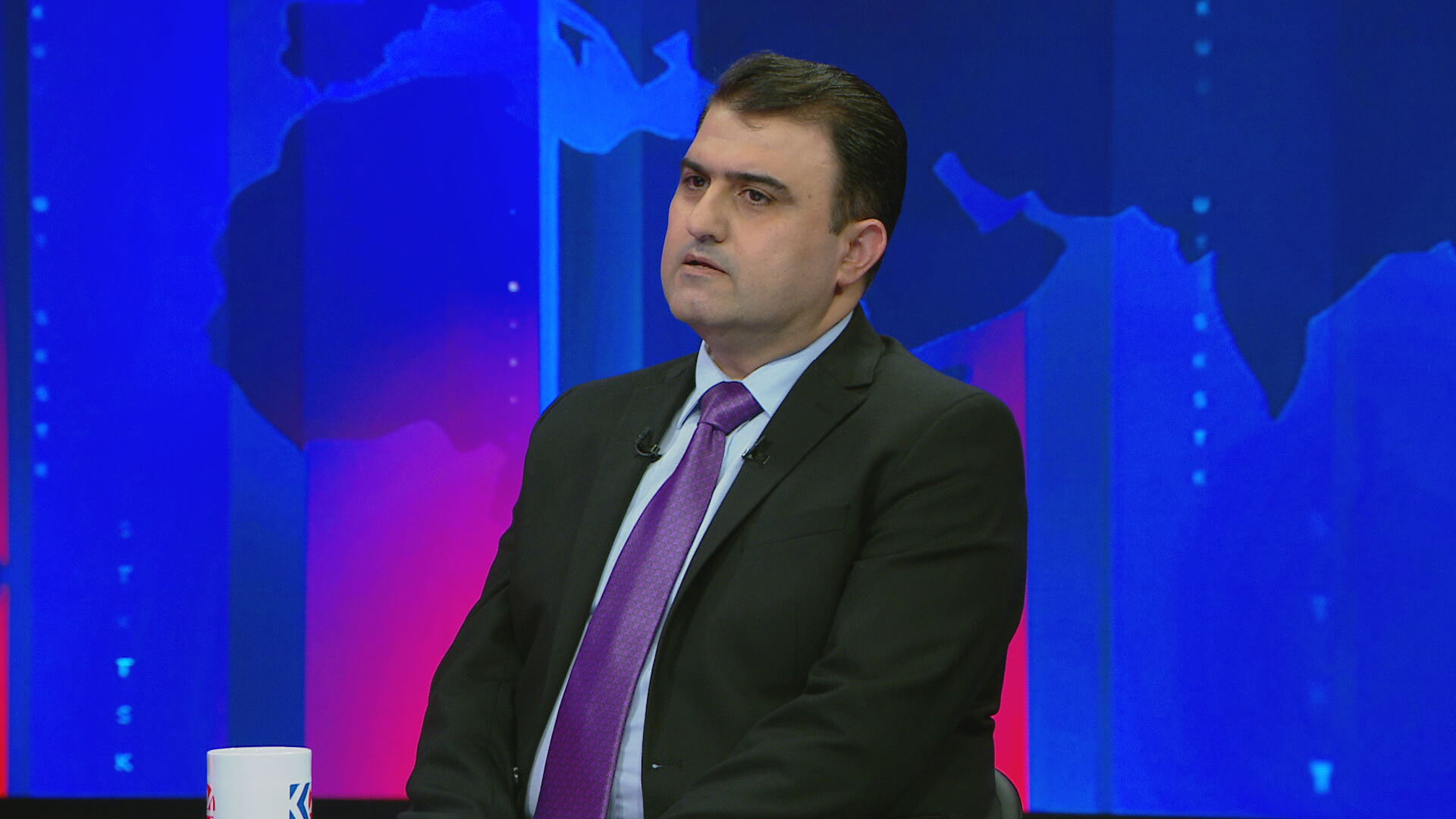
ERBIL (Kurdistan24) – The Kurdistan Regional Government (KRG) is working to strengthen and institutionalize its relationship with Iraq's new federal government, with coordination improving across the security, administrative, and financial sectors, a senior KRG official said on Monday.
In an exclusive interview with Kurdistan24, Umed Sabah, Head of the Diwan of the KRG Council of Ministers, said the improved cooperation reflects the close coordination between Kurdistan Region Prime Minister Masrour Barzani and Iraqi Prime Minister Ali al-Zaidi.
Sabah said the KRG has proposed creating a permanent Erbil-Baghdad coordination body that would meet every three months, replacing temporary committees. The KRG has also requested representation in Iraq's four specialized government councils and proposed an annual joint meeting between the Kurdistan Region and Iraqi councils of ministers.
"We must move beyond the stage of disputing with the Iraqi government and enter into a phase of benefiting from strategic opportunities," Sabah said.
On the 2027 federal budget, Sabah said the KRG has formed an official delegation to ensure the Kurdistan Region's constitutional and financial rights are secured before the draft budget reaches parliament. He stressed that the Region would accept "nothing less than what is guaranteed by the Constitution."
Sabah also called for reforms to Iraq's budget mechanism, including separating civil servant salaries from the broader budget and ensuring the Kurdistan Region receives its fair constitutional share.
Discussing customs, he said the KRG supports the implementation of the ASYCUDA electronic customs system after securing changes that align it with Iraq's federal structure. He added that the KRG expects Baghdad to approve the final agreement soon and hopes the system will pave the way for removing internal checkpoints between the Kurdistan Region and the rest of Iraq.
Sabah also highlighted the financial challenges facing the Kurdistan Region, saying domestic revenues declined sharply during recent regional instability but credited the KRG with maintaining development projects through effective financial management. He criticized Baghdad's financial policies, arguing they place an unfair burden on the Region while failing to adequately fund key sectors such as electricity and public services.